Copper Deficiency in Plants: Signs, Causes and How to Fix It
Copper deficiency in plants starts on the young leaves and the growing tip. Copper is part of the enzymes that run photosynthesis and respiration. It helps form chlorophyll and lignin, the stiff material in cell walls. It keeps pollen alive, so a crop short of copper sets empty grain. Legumes also need it to form nodules and fix nitrogen. Here are the signs in each crop, what brings it, how to be sure and the fertilizer that fixes it.
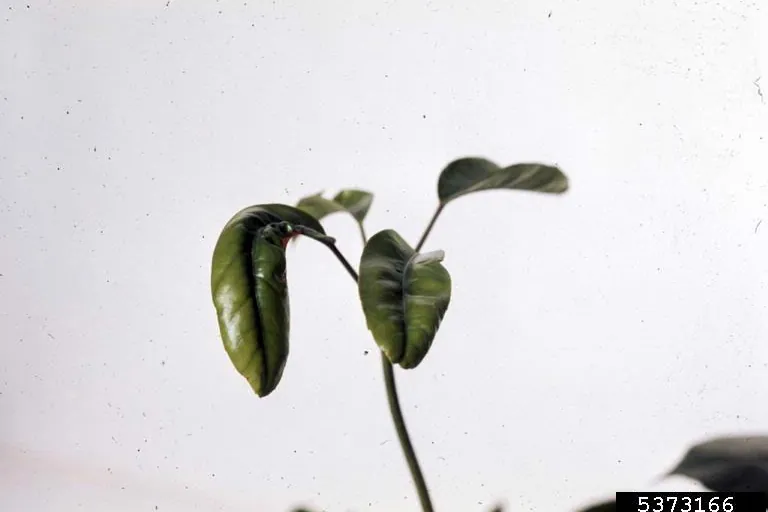
Copper is the least mobile of the micronutrients, so the young leaves and growing tips show it first. In grasses such as rice, the newest leaves fail to unroll while the lower part of the plant looks normal.
Copper deficiency symptoms
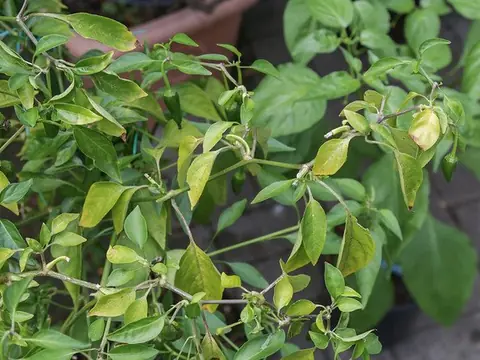
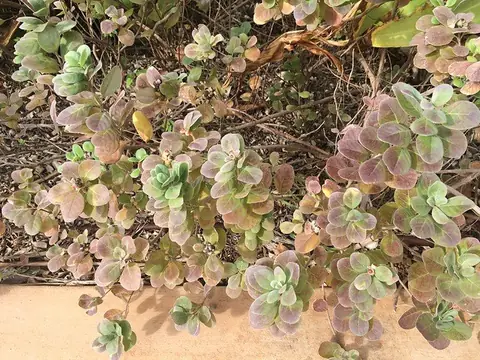
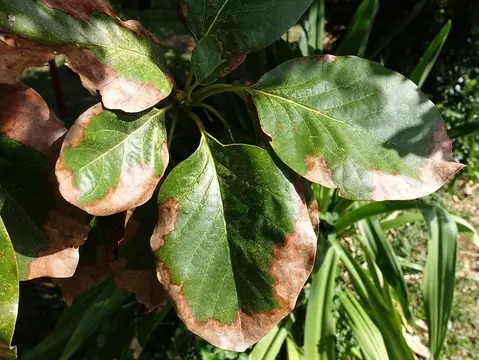
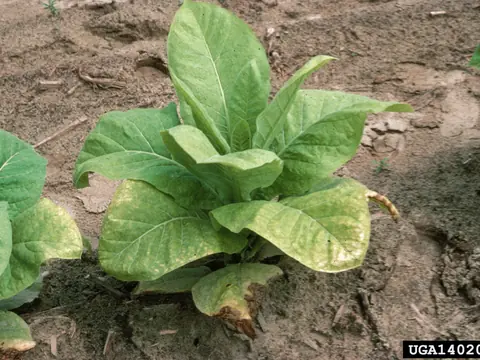
Young leaves turn pale or bluish green, wilt, curl and twist, and their tips die back. Rice leaves roll into needles, tillering drops, and many grains stay empty because the pollen fails. In fruit trees, twigs die back and many small shoots sprout at the tips, giving a bushy look. Onion leaves turn white at the tips and twist.
Copper deficiency by crop
Each crop shows it its own way. So find yours in the tables below, then open its page for the photo and the full fix, like the one for copper in rice.
Rice
| Crop | The first sign | Fix with |
|---|---|---|
| Palay | New leaves stay rolled into needles at the tip, plants are bluish green, and many grains are empty. | Copper sulfate |
Corn and Sorghum
| Crop | The first sign | Fix with |
|---|---|---|
| Mais | The youngest leaves come out yellow, and their tips brown, roll and break. | Copper sulfate |
Onion and Garlic
| Crop | The first sign | Fix with |
|---|---|---|
| Sibuyas | Bulb scales are thin and pale yellow, bulbs are soft, and leaf tips burn. | Copper sulfate |
Sugarcane and Industrial Crops
| Crop | The first sign | Fix with |
|---|---|---|
| Pinya | Young leaves fold up into a narrow gutter shape and their tips droop, then die. | Copper sulfate, Bordeaux mixture |
Fruits and Plantation Crops
| Crop | The first sign | Fix with |
|---|---|---|
| Kalamansi | Oversized dark green leaves on long, soft shoots that bend like an S, blisters of gum at the nodes, and twigs dying back. | Copper sulfate |
| Citrus, dalandan or ponkan | Brown gum stains on the fruit peel, fruit that split, and long, soft, S shaped shoots with big dark leaves. | Copper sulfate |
What causes copper deficiency
Peat and other soils very high in organic matter bind copper tightly, so they are the most likely to run short. Sandy soils, highly weathered soils, calcareous soils and fields limed to a high pH also give little copper. Newly drained peat fields often show it in the first years, until the organic matter starts to break down.
How to be sure it is copper
Mild copper shortage has no clear signs, and the wilting, rolled young leaves look like drought even when the soil is moist. Look for bushy dieback in trees and white, twisted tips in onion, and confirm with a tissue test. A leaf tissue test is the best check, because soil tests for copper are less reliable. A DA Regional Soils Laboratory tests copper in soil and plant tissue. In lowland rice, the MOET pots also show if copper is the missing nutrient.
How to fix copper deficiency
Apply copper only after a tissue test confirms the shortage, because too much is hard to undo. Copper sulfate (25 percent copper) mixed with the basal fertilizer is the common choice. One correct dose lasts 5 to 8 years. Let the soil and tissue tests set the rate, and stop once the field has had enough.
A typical spray in a Haifa vegetable guide is copper sulfate at up to 1 gram per liter, with about 0.5 percent hydrated lime. Copper fungicide sprays also add copper, so count them before you add more.
Fertilizers sold here that supply copper
| Product | Made or sold by | What it holds | Use |
|---|---|---|---|
| Grower's Choice Copper Sulphate Pentahydrate | Zetryl Chem | 25 percent copper and 12 percent sulfur | Soil or leaves |
| Copper Sulphate | Zetryl Chem | 25 percent copper | Soil or leaves |
| Agsmart Copper Sulphate | AgSmart | 25 percent copper and 12 percent sulfur | Soil or leaves |
| Liquid Chelate Copper with Sulfur | Sagrex | 5 percent copper and 2 percent sulfur | On the leaves |
| Fertisil | Ramgo | 2.5 percent copper | Soil or leaves |
| Omex Zynergy | Jardine Distribution | 3.8 percent zinc and 2.1 percent copper | On the leaves |
| Cambiar Lsa Combi | Donato C. Cruz | 2 percent manganese, 1 percent zinc and 0.5 percent copper | Soil or leaves |
| Biozome | Manchem Industries | 12 percent sulfur, 12 percent zinc, 3 percent manganese, 1 percent magnesium and traces of iron, copper, boron, molybdenum | On the soil |
For rates and timing, see our guides to foliar fertilizer and to fertilizer application methods. Also, anee.io keeps every application on the cropping calendar, so you know what went on each lot and when.
How to keep copper deficiency away
Test peat and very organic soils before the first crop, and add copper only where the test shows a need. Keep track of every copper fungicide and fertilizer applied, so the field never builds up too much.
Years of Bordeaux mixture and other copper fungicides can build copper to toxic levels that last for many years. Toxic copper weakens germination and shoot growth and blocks iron, and heavy hog manure can add to it.
Pick your crop in the Nutrient Deficiency Finder, say where the leaves changed first and what you see, and get the fertilizers sold here that fix it.
- Anee, the smart farm technician, reads a photo of the leaf in Tagalog or English
Copper deficiency questions
What does copper deficiency look like?
What is the best fertilizer for copper deficiency?
Do copper fungicides feed my plants copper?
Which soils are short of copper?
Find the missing nutrient and fix it
With Libre + Anee, read the whole guide: how to tell the deficiency from look alikes, how to be sure, what to apply, and the fertilizers sold here that supply it.
The account is free, no credit card.