Pomelo Nutrient Deficiency: Signs, Causes and the Fertilizer That Fixes It
Pomelo nutrient deficiency is one of the first things to check when the leaves of your suha (pomelo) turn yellow, purple or burnt at the edges. On Philippine farms the usual ones are nitrogen, potassium, magnesium, zinc, phosphorus and boron. This guide shows where each one starts, how to be sure, and the fertilizer that fixes it.
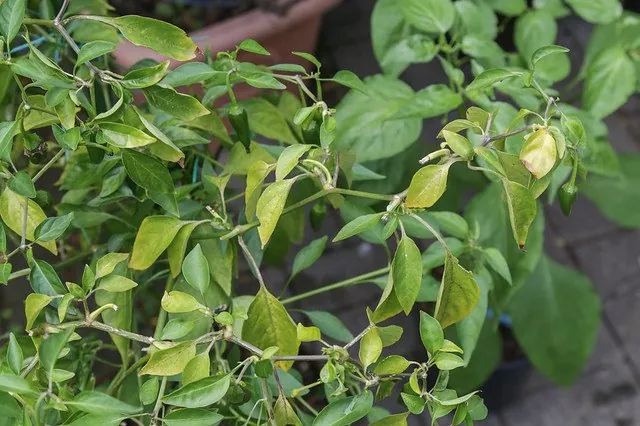
Start with one question: did the change begin on the old leaves or on the young ones? Nitrogen, potassium, magnesium and phosphorus move inside the plant, so a shortage shows on the old, lower leaves first. But zinc and boron stay where the plant first put them, so the young leaves and the growing tip show it first. After that, the color and the pattern narrow down which pomelo nutrient deficiency you have, and a soil test confirms it. Each one below has its signs, its causes and its fix.
Pomelo nutrient deficiency signs, old leaves and young leaves
Shows first on the old leaves
| Nutrient | Where it starts | What you see | Fix with |
|---|---|---|---|
| Nitrogen | old, lower leaves, the whole plant | The whole tree pale green to yellow, old leaves falling early, thin canopy and few flowers. | Urea 46 0 0, Ammonium sulfate 21 0 0 |
| Potassium | old, lower leaves, leaf edges and tips | Few flowers and fruit, poor fruit set and light fruit. Older leaf edges yellow to bronze. | Muriate of potash 0 0 60, Sulfate of potash 0 0 50 |
| Magnesium | old, lower leaves, between the veins | Older and middle leaves yellow between the veins, leaving a green V at the leaf base, worst near the fruit. | Dolomite, Magnesium sulfate (Epsom salt) |
| Phosphorus | old, lower leaves, fruit, grain or tubers | Few flowers and a light crop. Old leaves dull with bronze freckles. Fruit coarse with a hollow core and sour juice. | Superphosphate 0 20 0, 16 20 0 |
Shows first on the young leaves
| Nutrient | Where it starts | What you see | Fix with |
|---|---|---|---|
| Zinc | young leaves and the tip, between the veins | Young leaves mottled yellow between green veins, small, narrow and upright. | Zinc sulfate, Agricultural lime |
| Boron | fruit, grain or tubers, young leaves and the tip | Small, hard, lumpy fruit with gum spots in the thick white peel. Many fruit drop. Shoot tips die. | Borax, Solubor |
Before you buy fertilizer for a pomelo nutrient deficiency
So use the table to pick the likeliest pomelo nutrient deficiency, then read its section below. Also keep in mind that dry soil, standing water, cold nights, a pest or a disease can look the same. That is why it pays to check the roots and the whole field first.
Nitrogen deficiency in pomelo
Pomelo leaves show it as other citrus do. Older leaves turn pale green, then yellow, evenly with no clear pattern, and drop early, so the canopy thins. New leaves are small, thin and light green, flushes are short, and the tree flowers sparsely and sets a light crop. You see it most at this stage: flowering and after harvest. At both stages, nitrogen is among the nutrients that hold pomelo back the most.
Why nitrogen deficiency happens in suha
Trees fed little or irregularly, sandy or leached soils, heavy rain, waterlogging. Raw straw or manure that ties nitrogen up as it rots.
How to tell it apart
Magnesium deficiency also yellows older leaves but leaves a green V at the leaf base and is worst next to the fruit. Sulfur deficiency starts on young leaves. To be sure, leaf test: pick leaves three and four on branches that are 3 months old. Use 4 to 6 month old leaves from twigs without fruit. Get a soil analysis to set the rates.
What to apply for nitrogen deficiency
Apply nitrogen in the weeded ring, split into two equal doses: when the rains begin, to build vigour before flowering. Again as the rainy months draw to a close. Plan on urea, complete fertilizer, muriate of potash and chicken dung each year, with the amounts set by the soil test. For quick greening, give a Urea spray at 2 percent (20 grams per liter, 320 grams in a 16 liter sprayer) every 15 days for citrus. Give about 100 grams of Urea 46 0 0 a tree for each year of age, up to 1 to 2 kg for a bearing tree, split between the first rains and the last, under the canopy edge.
- Urea 46 0 0
- Ammonium sulfate 21 0 0
- Complete 14 14 14
Sold here with nitrogen: Atlas Granular Urea (46 0 0) by Atlas Fertilizer, Amigo Planters Ammonium Chloride by La Filipina (25 0 0), Agripower 46 0 0 (Locally Blended) Coated by Green Acres Agri Tech and Calcipro by Ramgo (15.5 0 0 with 18.8 percent calcium). Check the FPA registration on the bag and follow the label rate. For the how and when, see our guide to urea fertilizer, and the page on nitrogen deficiency in every crop. In anee.io, Anee, the smart farm technician, reads a photo of the leaf and tells you which nutrient is short.
To keep it away, fertilize every year by the soil test, ring weed before each dose and mulch. Go easy on ammonium fertilizers. Years of heavy ammonium nitrogen can drop soil pH from about 5.7 to 4.3 and bring on magnesium shortage.
Potassium deficiency in pomelo
Leaf signs follow citrus: the edges of older leaves turn pale yellow or bronze, then the yellow spreads, and new leaves are small. In pomelo the cost shows most in the crop. Well fed with potash, bearing Magallanes trees flower far more, set and hold many more fruit, and give heavier fruit with thinner peel and more juice. You see it most at this stage: flowering, fruit set and the first two months of fruit growth. Flowering and fruit set peak in April, and flushing peaks in June.
Why potassium deficiency happens in suha
Sandy or leached soils, heavy rain, soils rich in magnesium, and nitrogen fed without enough potash. But each heavy crop carries potash away.
How to tell it apart
Magnesium deficiency also starts on older leaves, but leaves a green V at the base. Salt or fertilizer burn scorches edges on leaves of all ages. To be sure, leaf test of the third and fourth leaves from 3 month old branches, and a soil test for potash, magnesium and calcium.
What to apply for potassium deficiency
The usual basal dose is 150 grams of potassium (K) per tree, about 300 grams of Muriate of potash 0 0 60. 225 grams of potassium per tree (about 450 grams of Muriate of potash) gave much more flowering, fruit set and yield. Adding a foliar potash spray to the basal dose helped further. Time the doses before flowering and in the two months after fruit set. For quick help, spray Potassium nitrate 13 0 46 or Sulfate of potash at 1 percent (160 grams in a 16 liter sprayer).
- Muriate of potash 0 0 60
- Sulfate of potash 0 0 50
- Potassium nitrate 13 0 46
- Complete 14 14 14
Sold here with potassium: Atlas Muriate of Potash (MOP) by Atlas Fertilizer (0 0 60), Simplot Sulfate 0 0 50 by Nutranta, Potassium Nitrate by Parafield (13 0 46) and Qrop Mix Production 14 0 23 plus 13 Cao by Farmtech Agriland (14 0 23 with 9.3 percent calcium). Check the FPA registration on the bag and follow the label rate. For the how and when, see our guide to potash fertilizer, and the page on potassium deficiency in every crop.
To keep it away, give potash every year along with nitrogen, and more on trees carrying heavy crops. Test the soil every two or three years. Keep organic matter up with compost, manure or crop residues.
Magnesium deficiency in pomelo
Older and middle leaves yellow between the veins. As in other citrus, the yellow starts near the leaf base on each side of the midrib and spreads until only the tip and a V shaped area at the base stay green, then the leaf turns yellow to bronze and drops. Limbs carrying heavy fruit show it most. Where the soil is short of magnesium, up to a third of the leaves in an orchard can show this yellowing. You see it most at this stage: fruit growth, on heavily bearing limbs.
Why magnesium deficiency happens in suha
Acid soils, especially soils acidified by years of heavy ammonium fertilizer, high rainfall that leaches magnesium, and heavy potash. Seedy fruit draw more magnesium than seedless kinds.
How to tell it apart
Nitrogen deficiency yellows the whole tree evenly. Potassium deficiency bronzes the leaf edges. To be sure, leaf test and a soil test for pH, magnesium, potash and calcium.
What to apply for magnesium deficiency
On acid soils use Dolomite. Aim for pH 5.5 to 6.5 and lime below pH 5. Where the soil test shows low magnesium, give magnesium at 20 percent of the nitrogen rate, as Magnesium sulfate or Kieserite. Spray Magnesium sulfate at 4 percent (40 grams per liter, 640 grams in a 16 liter sprayer), about 7 liters per tree over three monthly sprays. With much less NPK, this lifts leaf magnesium and eases the yellowing. A 4 percent spray is strong, so try it on a few branches first.
- Dolomite
- Magnesium sulfate (Epsom salt)
- Kieserite
Sold here with magnesium: Dolomite by A6 Agrisource (24 percent calcium and 11 percent magnesium), Agsmart Kieserite Granule (20 percent sulfur and 16.3 percent magnesium), DDDD Planter's Choice Magnesium Sulphate Monohydrate by Modern Time (15.1 percent magnesium) and Zetryl MAG 9 by Zetryl Chem (9 percent magnesium). Check the FPA registration on the bag and follow the label rate. For the how and when, see our guide to complete fertilizer, and the page on magnesium deficiency in every crop.
To keep it away, lime with dolomite, avoid overusing ammonium fertilizers, and keep potash and magnesium in balance.
Zinc deficiency in pomelo
The signs match those on other citrus. Young leaves show yellow patches between the veins with an uneven green band along the midrib and main veins (mottle leaf). In severe cases new leaves are small, narrow, pointed and upright, twigs die back. Fruit on weak twigs stay small with low juice. You see it most at this stage: new flushes.
Why zinc deficiency happens in suha
High pH and limed soils, heavy phosphate, heavy poultry manure, organic soils and cold wet spells.
How to tell it apart
Citrus greening (HLB) is the main look alike and, with tristeza, one of the main causes of low citrus production in the country. Do the pen test: zinc deficiency looks the same on both sides of the midrib, HLB blotches do not. To be sure, pen test, then a zinc spray on a few branches and a look at the next flush. If the mottle stays uneven, send leaves for an HLB laboratory test. A leaf test helps.
What to apply for zinc deficiency
Spray zinc on each new flush when leaves are two thirds to almost fully expanded. Spray Zinc sulfate at 0.5 to 1 percent (5 to 10 grams per liter, 80 to 160 grams in a 16 liter sprayer) with half as much hydrated lime, every two weeks on the new flush. Zinc on the soil does not work on limey soils. Give 50 to 100 grams of Zinc sulfate a young tree and 100 to 250 grams a bearing tree a year under the canopy.
- Zinc sulfate
- Agricultural lime
Sold here with zinc: Harvester Zinc Sulphate Heptahydrate by Universal Harvester (22 percent zinc), Tierramino ZN by Unilox Far East Resources (7 0 0 with 10 percent zinc), Liquid Chelate Zinc with Sulfur by Sagrex (10 percent zinc and 5 percent sulfur) and Nemes Foliar by SCL Filipinas (4.8 0 0 with 10 percent zinc, 4.9 percent boron and 4.8 percent magnesium). Check the FPA registration on the bag and follow the label rate. For the how and when, see our guide to fertilizer with zinc, and the page on zinc deficiency in every crop.
To keep it away, keep the pH below 6.5, avoid heavy phosphate, include zinc in regular sprays, and control psyllids. Test the soil every two or three years.
Phosphorus deficiency in pomelo
Leaf signs are weak and follow citrus: older leaves lose their deep green, partly yellow. May show a dull bronze or purplish cast with small freckles along the main veins. Flowering and fruit set are poor, leaves and fruit drop early, and fruit are coarse, with a hollow core and sour juice. Phosphorus is often the nutrient that holds pomelo back most at flowering, fruit growth and after harvest. You see it most at this stage: all through the cycle. Most felt at flowering and fruit set.
Why phosphorus deficiency happens in suha
Strongly acid soils where iron and aluminium lock phosphorus up, limey soils, low organic matter, cold wet soil and weak roots.
How to tell it apart
A thick peel does not prove phosphorus shortage, because Magallanes trees given more potash grow a thinner peel. So low potash can thicken it too. To be sure, soil test for available phosphorus and pH, and a leaf test of the third and fourth leaves from 3 month old branches.
What to apply for phosphorus deficiency
Apply a phosphorus fertilizer by the soil test. Complete fertilizer belongs in the pummelo budget every year. Superphosphate suits soils of any pH, but do not use DAP 18 46 0 on alkaline soils. Lime soils below pH 5 so phosphorus stays available. Give 200 to 500 grams of Complete 14 14 14 a young tree, up to 1 to 2 kg a bearing tree, when the rains begin.
- Superphosphate 0 20 0
- 16 20 0
- Complete 14 14 14
- Agricultural lime
Sold here with phosphorus: Philphos 18 46 0 (Di Ammonium Phosphate), Atlas Super Gro (16 20 0) by Atlas Fertilizer, Amigo Planters Granular Single Super Phosphate by La Filipina (0 18 0 with 11 percent sulfur) and Triple Super Phosphate by Newman Chemicals (0 46 0). Check the FPA registration on the bag and follow the label rate. For the how and when, see our guide to 16 20 0 fertilizer, and the page on phosphorus deficiency in every crop.
To keep it away, put phosphorus in the planting hole, keep the pH at 5.5 to 6.5, and add compost or chicken dung.
Boron deficiency in pomelo
Pomelo shows boron shortage as other citrus do. Fruit stay small, hard and misshapen, with gum pockets and dark spots in the white inner peel and sometimes in the core, and many drop. The growing tip dies and the shoot branches out. Young leaves curl and their veins split and turn corky. You see it most at this stage: flowering to fruit growth, often after a long dry spell.
Why boron deficiency happens in suha
Sandy and alkaline soils low in organic matter, high nitrogen or calcium, drought, and fertilizers with no micronutrients.
How to tell it apart
Too much boron is a real risk in pomelo. Giving 100 grams of borax per tree a year, split in two doses, can poison the tree. To be sure, soil and leaf test for boron before adding any. Soil boron below 0.5 mg per kg is short, and above 5 mg per kg is toxic.
What to apply for boron deficiency
Give a Borax spray at 0.5 percent (5 grams per liter, 80 grams in a 16 liter sprayer) for citrus. Use boron on the soil or as a spray, never both. Keep soil doses small and only on soils that test low. Give 25 to 50 grams of Borax a young tree and 50 to 100 grams a bearing tree a year, spread evenly under the canopy.
- Borax
- Solubor
Sold here with boron: Etifert 11 (Borax Decahydrate) by Zetryl Chem (11 percent boron), Fertibagra 15G by Unilox Far East Resources (14.6 percent boron), B17 (Boric Acid) by Newman Chemicals (17 percent boron) and Better Yield by Bacphil Planters Fertilizer (0 0 0.9 with 10 percent boron). Check the FPA registration on the bag and follow the label rate. For the how and when, see our guide to foliar fertilizer, and the page on boron deficiency in every crop.
To keep it away, use fertilizers that carry micronutrients, keep organic matter up and water during dry spells. Never repeat big borax doses without a test. Test the soil every two or three years.
A soil test is the surest check for any pomelo nutrient deficiency. Before you buy, ask your Municipal Agriculture Office where to send a soil sample. The DA regional soil laboratories test soil, and the result says how much of each fertilizer your suha needs. That saves money, because extra fertilizer is money lost.
Open the Nutrient Deficiency Finder, pick suha, say where the leaves changed first and what you see, and get the fertilizers sold here that fix it.
- Anee, the smart farm technician, reads a photo of the leaf
- The cropping calendar dates every fertilizer application of your season
Pomelo nutrient deficiency questions
Why are my suha leaves turning yellow?
What fertilizer fixes nitrogen deficiency in pomelo?
What fertilizer fixes potassium deficiency in pomelo?
What fertilizer fixes magnesium deficiency in pomelo?
How do I know which nutrient my suha lacks?
- Quyen and others 2024, Nutritional sufficiency ranges for pomelo on alluvial soils using DRIS (Mekong Delta, PLoS One)
- Su and others 2024, Reduced fertilization and magnesium supplementation in honey pomelo (Plants)
- Yara Philippines: Potassium deficiency in citrus
- Yara Philippines: Zinc deficiency in citrus
- Yara Philippines: Phosphorus deficiency in citrus
- Luo and others 2024, Excessive boron fertilization induced toxicity in field grown pomelo trees (Frontiers in Plant Science)
- Yara Philippines: Boron deficiency in citrus
Find the missing nutrient and fix it
With Libre + Anee, read the whole guide: how to tell the deficiency from look alikes, how to be sure, what to apply, and the fertilizers sold here that supply it.
The account is free, no credit card.