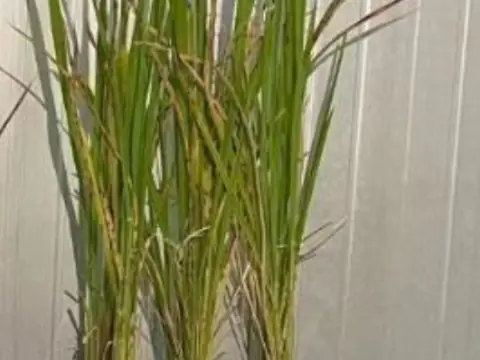
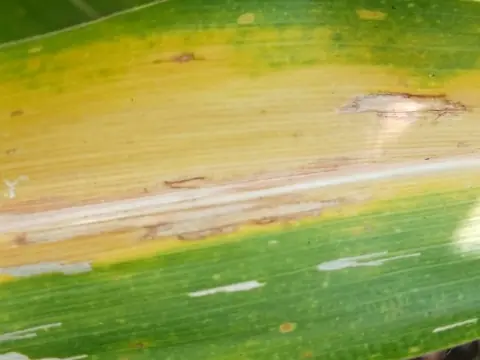
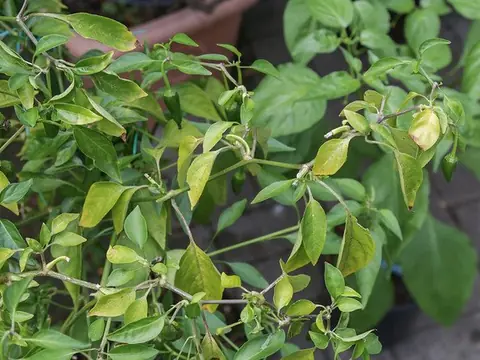
Pigeon pea Nutrient Deficiency: Signs, Causes and the Fertilizer That Fixes It
Pigeon pea nutrient deficiency is one of the first things to check when the leaves of your kadyos (pigeon pea) turn yellow, purple or burnt at the edges. On Philippine farms the usual ones are nitrogen, phosphorus, potassium, sulfur, zinc, iron, magnesium and boron. This guide shows where each one starts, how to be sure, and the fertilizer that fixes it.
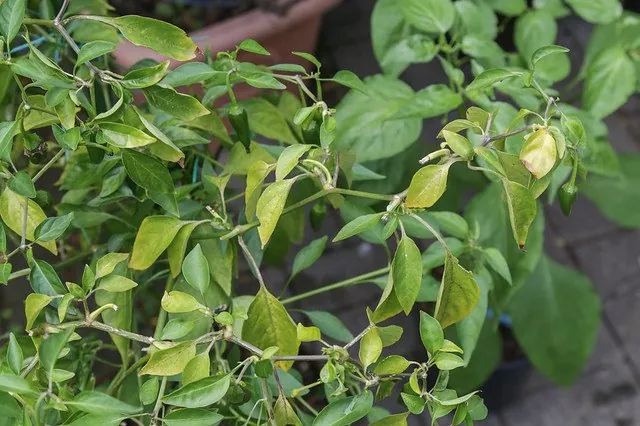
Start with one question: did the change begin on the old leaves or on the young ones? Nitrogen, phosphorus, potassium and magnesium move inside the plant, so a shortage shows on the old, lower leaves first. But sulfur, zinc, iron and boron stay where the plant first put them, so the young leaves and the growing tip show it first. After that, the color and the pattern narrow down which pigeon pea nutrient deficiency you have, and a soil test confirms it. Each one below has its signs, its causes and its fix.
Pigeon pea nutrient deficiency signs, old leaves and young leaves
Shows first on the old leaves
| Nutrient | Where it starts | What you see | Fix with |
|---|---|---|---|
| Nitrogen | old, lower leaves, the whole plant | Young bushes stay pale and thin, with few pink nodules on the roots. | Rhizobium inoculant (cowpea group), Urea 46 0 0 |
| Phosphorus | old, lower leaves, the whole plant | Small, stunted, dark green plants with no clear leaf marks. | Diammonium phosphate 18 46 0, 16 20 0 |
| Potassium | old, lower leaves, leaf edges and tips | Leaf tips yellow then scorch, with a yellow band between the dead edge and the green. | Muriate of potash 0 0 60, Complete 14 14 14 |
| Magnesium | old, lower leaves, between the veins | Mild yellow between dark green veins that turns rusty brown in streaks. | Epsom salt / magnesium sulfate, Urea 46 0 0 |
Shows first on the young leaves
| Nutrient | Where it starts | What you see | Fix with |
|---|---|---|---|
| Sulfur | young leaves and the tip, the whole plant | New leaves yellow first, then the whole plant is evenly yellowish. | Gypsum |
| Zinc | young leaves and the tip, between the veins | Narrow, pale leaves that yellow between the veins from the tip, leaving only the midrib green. | Zinc sulfate |
| Iron | young leaves and the tip, between the veins | Young leaves turn light green between dark green veins, on limey soil. | Ferrous sulfate |
| Boron | young leaves and the tip | The top bunches into a rosette and upper leaves yellow or redden at the tips. | Borax |
Before you buy fertilizer for a pigeon pea nutrient deficiency
So use the table to pick the likeliest pigeon pea nutrient deficiency, then read its section below. Also keep in mind that dry soil, standing water, cold nights, a pest or a disease can look the same. That is why it pays to check the roots and the whole field first.
Nitrogen deficiency in pigeon pea
Lower leaves pale and yellow and the young bush stays light green and thin. Kadyos makes its own nitrogen through root nodules, so pale plants usually mean the nodules are few or not working. You see it most at this stage: three to eight weeks after planting.
Why nitrogen deficiency happens in kadyos
In a legume this usually means poor nodulation: no inoculant in a field new to the crop, inoculant killed by sun or heat, very acid soil, waterlogging, hot dry soil, or too much nitrogen fertilizer near the seed, which stops nodules from forming.
How to tell it apart
Sulfur deficiency yellows the young leaves first. Iron deficiency yellows between green veins on young leaves. To be sure, dig, do not pull, a few plants 3 to 6 weeks after planting, wash the roots and cut some nodules open. Pink to red inside means they are working, white means not active yet, and brown, grey or mushy means dead. Yellow plants with few or dead nodules point to a nodulation failure, not a lack of fertilizer.
What to apply for nitrogen deficiency
Feed the young crop with a light sidedress of Urea 46 0 0 or Complete 14 14 14, following the soil test. If the nodules failed, 10 to 20 kg of nitrogen per hectare is enough: about half a bag of Urea 46 0 0 beside the rows, before flowering.
- Rhizobium inoculant (cowpea group)
- Urea 46 0 0
- Complete 14 14 14
Sold here with nitrogen: Atlas Granular Urea (46 0 0) by Atlas Fertilizer, Amigo Planters Ammonium Chloride by La Filipina (25 0 0), Agripower 46 0 0 (Locally Blended) Coated by Green Acres Agri Tech and Calcipro by Ramgo (15.5 0 0 with 18.8 percent calcium). Check the FPA registration on the bag and follow the label rate. For the how and when, see our guide to urea fertilizer, and the page on nitrogen deficiency in every crop. In anee.io, Anee, the smart farm technician, reads a photo of the leaf and tells you which nutrient is short.
To keep it away, inoculate seed with a cowpea group Rhizobium inoculant at planting and keep it shaded. Keep organic matter up with compost, manure or crop residues.
Phosphorus deficiency in pigeon pea
There are no clear signs on the leaves: plants are just small and stunted with dark green leaves. Because nothing marks the leaves, the shortage is often missed until the soil is tested. You see it most at this stage: early growth.
Why phosphorus deficiency happens in kadyos
Acid upland soils and soils low in phosphorus.
How to tell it apart
Nitrogen deficiency makes plants pale. Drought also stunts plants, but leaves wilt. To be sure, soil test for phosphorus, or compare with a strip given phosphorus.
What to apply for phosphorus deficiency
Give a 2 percent DAP 18 46 0 spray (20 g per liter, 320 g in a 16 liter sprayer) every 15 days. For the next crop apply 16 20 0 or Complete 14 14 14 at planting, following the soil test. A usual basal dose is 2 to 3 bags of Complete 14 14 14, or 1 to 2 bags of Diammonium phosphate 18 46 0, per hectare in the furrow at planting.
- Diammonium phosphate 18 46 0
- 16 20 0
- Complete 14 14 14
Sold here with phosphorus: Philphos 18 46 0 (Di Ammonium Phosphate), Atlas Super Gro (16 20 0) by Atlas Fertilizer, Amigo Planters Granular Single Super Phosphate by La Filipina (0 18 0 with 11 percent sulfur) and Triple Super Phosphate by Newman Chemicals (0 46 0). Check the FPA registration on the bag and follow the label rate. For the how and when, see our guide to 16 20 0 fertilizer, and the page on phosphorus deficiency in every crop.
To keep it away, apply phosphorus at planting on poor upland soils.
Potassium deficiency in pigeon pea
The leaf tip turns yellow or brown and the yellow spreads along the edges. The tip then scorches, and early on a yellow band sits between the scorched part and the healthy green. Leaves without symptoms are dark green and plants are stunted. You see it most at this stage: mid growth.
Why potassium deficiency happens in kadyos
Sandy soils and soils cropped for years without potash.
How to tell it apart
Magnesium deficiency yellows between the veins with green veins. To be sure, soil test for potassium.
What to apply for potassium deficiency
Give a 1 percent potassium chloride spray (10 g Muriate of potash per liter) every week. For the soil, apply Muriate of potash 0 0 60 following the soil test. A usual dose is 1 bag of Muriate of potash 0 0 60 per hectare at planting.
- Muriate of potash 0 0 60
- Complete 14 14 14
Sold here with potassium: Atlas Muriate of Potash (MOP) by Atlas Fertilizer (0 0 60), Simplot Sulfate 0 0 50 by Nutranta, Potassium Nitrate by Parafield (13 0 46) and Qrop Mix Production 14 0 23 plus 13 Cao by Farmtech Agriland (14 0 23 with 9.3 percent calcium). Check the FPA registration on the bag and follow the label rate. For the how and when, see our guide to potash fertilizer, and the page on potassium deficiency in every crop.
To keep it away, include potash in the planting fertilizer on sandy soils. Keep organic matter up with compost, manure or crop residues. Split the potash on sandy soil.
Sulfur deficiency in pigeon pea
The new leaves turn pale yellow first, and over time the whole plant becomes evenly yellowish. Unlike nitrogen deficiency, the old leaves are not the first to go. You see it most at this stage: early growth to flowering.
Why sulfur deficiency happens in kadyos
Sandy soils low in organic matter and sulfur free fertilizer for years.
How to tell it apart
Nitrogen deficiency starts on the older leaves. To be sure, soil and leaf test for sulfur. In a soil test, less than 10 ppm of sulfate sulfur is low.
What to apply for sulfur deficiency
Give a 0.5 percent calcium sulfate spray (5 g per liter, 80 g in a 16 liter sprayer). Gypsum to the soil adds sulfur without nitrogen. Follow the soil test. A usual dose is 50 to 100 kg of Ammonium sulfate 21 0 0 per hectare (12 to 24 kg of sulfur), or 100 to 200 kg of Gypsum, at planting.
- Gypsum
Sold here with sulfur: Atlas Ammosul 21 0 0 by Atlas Fertilizer (21 0 0 with 24 percent sulfur), Philphos Gypsum (22.2 percent calcium and 17.4 percent sulfur), Harvester Sulphate of Potash by Universal Harvester (0 0 50 with 17.5 percent sulfur) and Agsmart Kieserite Granule (20 percent sulfur and 16.3 percent magnesium). Check the FPA registration on the bag and follow the label rate. For the how and when, see our guide to ammonium sulfate fertilizer, and the page on sulfur deficiency in every crop.
To keep it away, use gypsum or a sulfur bearing fertilizer every few seasons. Keep organic matter up with compost, manure or crop residues.
Zinc deficiency in pigeon pea
Plants are stunted and the leaves narrow and pale green or yellow. Yellow starts between the veins at the tip of the leaflets and spreads until only the midrib stays green. You see it most at this stage: early growth.
Why zinc deficiency happens in kadyos
High pH and calcareous soils, and heavy phosphorus.
How to tell it apart
Iron deficiency yellows between the veins but keeps the veins and nearby tissue dark green. To be sure, soil test for zinc and pH, or a leaf test. In a soil test, less than 0.8 ppm of zinc is low.
What to apply for zinc deficiency
Give a 0.5 percent zinc sulfate spray (5 g per liter, 80 g in a 16 liter sprayer) every 15 days, or 10 to 15 kg zinc sulfate per hectare to the soil.
- Zinc sulfate
Sold here with zinc: Harvester Zinc Sulphate Heptahydrate by Universal Harvester (22 percent zinc), Petbowe Zinc Sulphate Monohydrate (33 percent zinc), Tierramino ZN by Unilox Far East Resources (7 0 0 with 10 percent zinc) and Liquid Chelate Zinc with Sulfur by Sagrex (10 percent zinc and 5 percent sulfur). Check the FPA registration on the bag and follow the label rate. For the how and when, see our guide to fertilizer with zinc, and the page on zinc deficiency in every crop.
To keep it away, add zinc sulfate to the basal fertilizer on high pH soils. Test the soil every two or three years. Do not overdo phosphorus.
Iron deficiency in pigeon pea
The spaces between the veins of young leaves turn light green. But the veins and the tissue next to them stay dark green. Older leaves look normal, since the shortage shows in new growth. You see it most at this stage: seedling and early growth.
Why iron deficiency happens in kadyos
High pH, calcareous soils and waterlogged patches.
How to tell it apart
Zinc deficiency narrows the leaves and starts at the leaflet tip. To be sure, soil pH test and a leaf test. In a soil test, less than 4.5 ppm of iron is low.
What to apply for iron deficiency
Give a 0.5 percent ferrous sulfate spray (5 g per liter, 80 g in a 16 liter sprayer) every week. Spray the young leaves in the cool of the day, soon after sunrise or near sunset.
- Ferrous sulfate
Sold here with iron: DDDD Planter's Choice Ferrous Sulphate Heptahydrate by Modern Time (19 percent iron), Ferrous Sulfate Monohydrate by Zetryl Chem (30 percent iron), Ferrous Sulphate Monohydrate by Newman Chemicals (30 percent iron) and Liquid Chelate Iron with Sulfur by Sagrex (5 percent iron and 3 percent sulfur). Check the FPA registration on the bag and follow the label rate. For the how and when, see our guide to foliar fertilizer, and the page on iron deficiency in every crop.
To keep it away, avoid limey, poorly drained spots. Test the soil every two or three years. Keep organic matter up with compost, manure or crop residues.
Magnesium deficiency in pigeon pea
Leaves pale slightly between the veins while the veins stay dark green. The pale areas then turn rusty brown or bronze, and narrow streaks of dead tissue form between the veins. Edges of young leaves often roll in. You see it most at this stage: mid growth.
Why magnesium deficiency happens in kadyos
Acid sandy soils and heavy potash.
How to tell it apart
Potassium deficiency starts at leaf tips and edges. To be sure, soil test for magnesium and pH.
What to apply for magnesium deficiency
Give a spray of 2 percent magnesium sulfate (20 g Epsom salt per liter) with 1 percent urea (10 g per liter, 160 g in a 16 liter sprayer). Use Dolomite on acid soils as the soil test advises. A usual dose is 100 to 150 kg of Kieserite or 150 to 200 kg of Magnesium sulfate per hectare at planting. On acid soil, 1 to 2 tons of Dolomite mixed in before planting both limes and feeds.
- Epsom salt / magnesium sulfate
- Urea 46 0 0
- Dolomite
Sold here with magnesium: Dolomite by A6 Agrisource (24 percent calcium and 11 percent magnesium), Agsmart Kieserite Granule (20 percent sulfur and 16.3 percent magnesium), DDDD Planter's Choice Magnesium Sulphate Monohydrate by Modern Time (15.1 percent magnesium) and Zetryl MAG 9 by Zetryl Chem (9 percent magnesium). Check the FPA registration on the bag and follow the label rate. For the how and when, see our guide to complete fertilizer, and the page on magnesium deficiency in every crop.
To keep it away, lime acid soils with dolomite. Keep potash in balance with magnesium and calcium.
Boron deficiency in pigeon pea
Upper internodes stay short and the top bunches into a rosette. Leaves near the growing point turn yellow and sometimes red, worst at the tips while the bases stay green. You see it most at this stage: flowering.
Why boron deficiency happens in kadyos
Sandy soils low in organic matter and dry spells.
How to tell it apart
Zinc deficiency also shortens internodes but yellows between the veins. To be sure, leaf or soil test for boron. In a soil test, less than 0.5 ppm of boron is low.
What to apply for boron deficiency
Give a 0.2 percent boron spray (2 g borax per liter, 32 g in a 16 liter sprayer) every two weeks. A usual soil dose is 5 to 10 kg of Borax per hectare (0.5 to 1 kg of boron), mixed evenly with the basal fertilizer.
- Borax
Sold here with boron: Etifert 11 (Borax Decahydrate) by Zetryl Chem (11 percent boron), Fertibagra 15G by Unilox Far East Resources (14.6 percent boron), B17 (Boric Acid) by Newman Chemicals (17 percent boron) and Better Yield by Bacphil Planters Fertilizer (0 0 0.9 with 10 percent boron). Check the FPA registration on the bag and follow the label rate. For the how and when, see our guide to foliar fertilizer, and the page on boron deficiency in every crop.
To keep it away, add compost. Never overdo boron. Test the soil every two or three years.
A soil test is the surest check for any pigeon pea nutrient deficiency. Before you buy, ask your Municipal Agriculture Office where to send a soil sample. The DA regional soil laboratories test soil, and the result says how much of each fertilizer your kadyos needs. That saves money, because extra fertilizer is money lost.
Open the Nutrient Deficiency Finder, pick kadyos, say where the leaves changed first and what you see, and get the fertilizers sold here that fix it.
- Anee, the smart farm technician, reads a photo of the leaf
- The cropping calendar dates every fertilizer application of your season
Pigeon pea nutrient deficiency questions
Why are my kadyos leaves turning yellow?
What fertilizer fixes nitrogen deficiency in pigeon pea?
What fertilizer fixes phosphorus deficiency in pigeon pea?
What fertilizer fixes potassium deficiency in pigeon pea?
How do I know which nutrient my kadyos lacks?
Find the missing nutrient and fix it
With Libre + Anee, read the whole guide: how to tell the deficiency from look alikes, how to be sure, what to apply, and the fertilizers sold here that supply it.
The account is free, no credit card.