Nickel in Plants: What It Does and Why It Is Rarely Short
Nickel in plants is the newest nutrient on the list and the smallest need after molybdenum. It is part of urease, the enzyme that breaks down urea inside the plant, and it helps legumes fix nitrogen. Farm soils almost always hold enough, so a true shortage is rare. Here is what it does and when it matters.
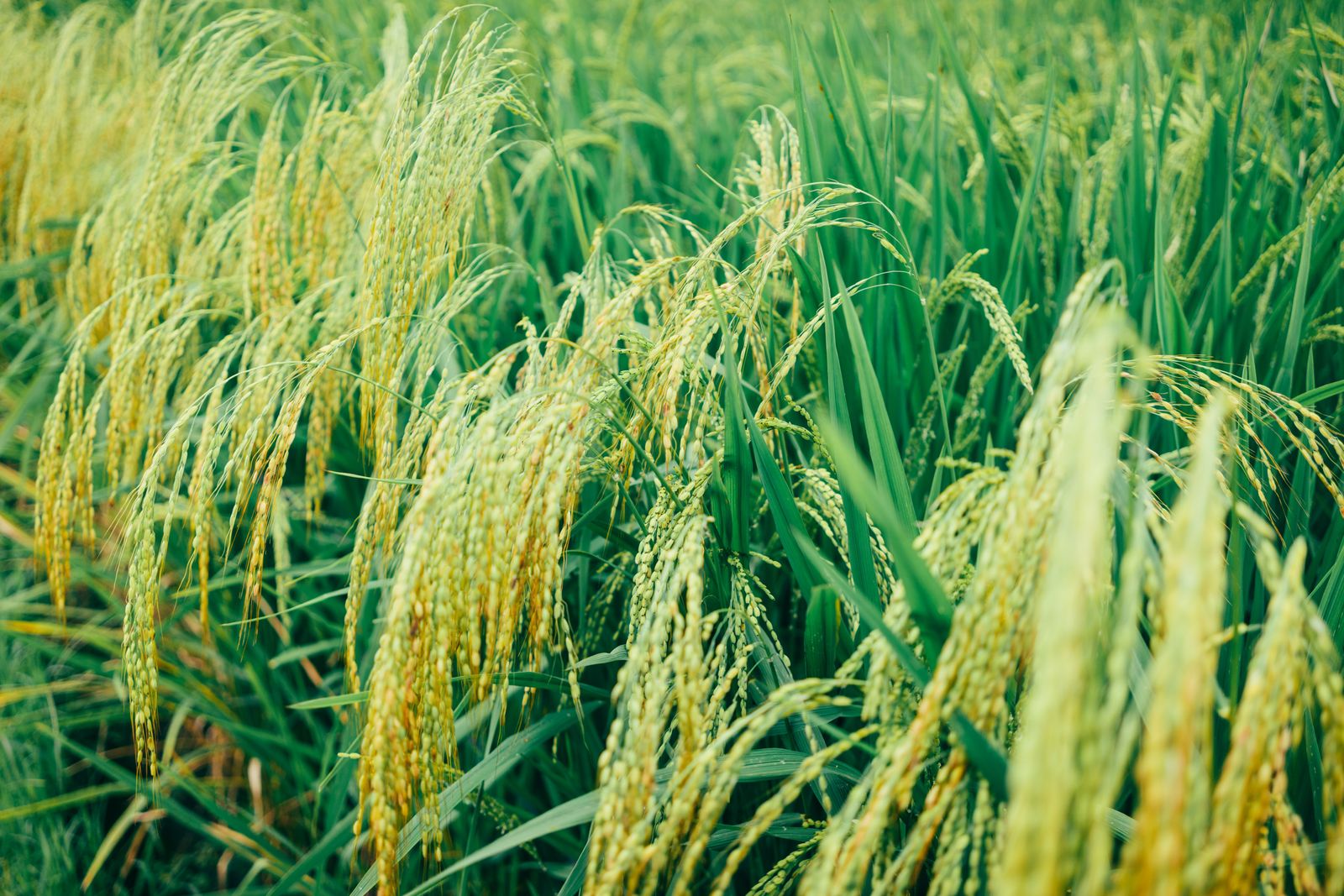
What nickel does in plants
Nickel is the center of urease, the enzyme that breaks urea into ammonia the plant can build with. Urea forms inside every plant as it handles nitrogen, and a plant short of nickel lets it pile up until it burns the leaf tips.
In legumes like mungbean, peanut and soybean, nickel also helps the nodules that fix nitrogen and the seed that sprouts from them.
A helper, needed in traces
Nickel is a helper. It works inside urease and one or two other enzymes, and a crop needs only a trace of it, about a gram per hectare or less.
Because the need is so small, nearly every farm soil holds enough, and the seed carries enough to start the crop.
| Fact | Nickel |
|---|---|
| Group | Micronutrient |
| Kind of nutrient | Helper |
| Moves inside the plant | Fairly well |
| Where a shortage shows first | The leaf tips, dead from urea build up |
| Taken up as | Nickel ion |
Where nickel shows first
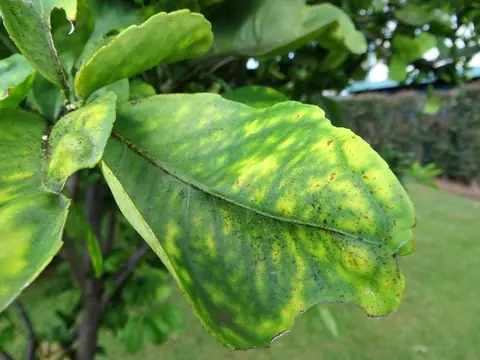
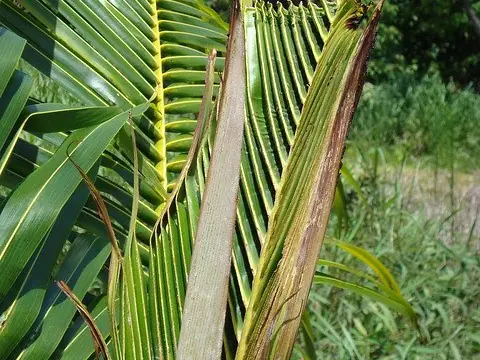
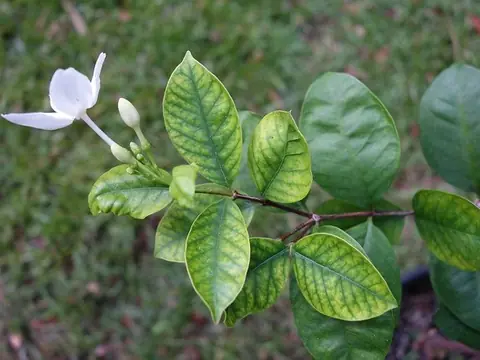
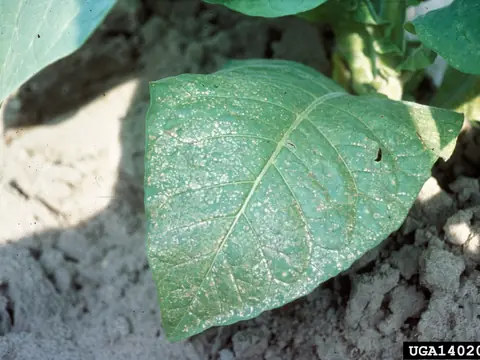
A nickel shortage shows as dead, burnt leaf tips where urea built up, and in some trees as small, rounded, crumpled young leaves. These signs are rare on farm soils.
If leaf tips burn after a urea spray, the spray rate is a far more likely cause than nickel. See nitrogen deficiency and our guide to urea fertilizer.
When nickel in plants matters
Nickel matters most for legumes and for crops fed mostly with urea sprays, because both depend on urease. Seed from a field low in nickel can also sprout poorly, since the young seedling lives on the nickel its seed carried until its roots take over.
So the time to think about nickel is before planting a legume on a very sandy or heavily limed field, or when a crop fed with urea through the leaves keeps burning at the tips at a normal rate. Even then, check the spray rate and the weather first, because a hot midday spray burns leaves far more often than a lack of nickel does.
For palay, mais and most vegetables on ordinary farm soil, there is no stage when nickel needs attention.
What keeps nickel from the crop
A very high soil pH, heavy liming and large amounts of zinc, copper or iron can make nickel harder to take up. Very sandy, heavily leached soil may hold little.
Even then a shortage is rare, because the crop needs so little.
Where nickel comes from
Farm soil, manure and the seed itself usually give enough. Where a shortage is proven, a weak nickel sulfate spray fixes it, but almost no farm here needs one.
Spend the money on the nutrients that run short more often instead: nitrogen, zinc and potassium.
Soils on certain rocks and land near mines can hold enough nickel to stunt crops. Never add nickel unless a soil or leaf test shows a shortage.
Put your fertilizers on your crop's calendar in anee.io and the Coverage Planner shows, day by day, which nutrients reach the stages that need them, and where they run out. Free to start.
Start freeNickel questions
Is nickel a plant nutrient?
Do I need nickel fertilizer?
Why does nickel matter for urea?
Can nickel harm crops?
Read the whole guide
Register for free on anee.io to read the whole page, and every guide on crops and land preparation.
Free to register. No credit card. Works on any phone.