Manganese in Plants: What It Does and When Your Crop Needs It
Manganese in plants is the helper that splits water inside the leaf, the first step of turning sunlight into food. It also switches on enzymes that build defenses against disease. A crop short of it gets speckled, pale young leaves. Here is what it does, when each crop needs it most and why heavily limed soils often run short.
What manganese does in plants
In the leaf, manganese sits in the part of the chloroplast that splits water in sunlight and releases oxygen. Without it photosynthesis stalls at the very first step.
Manganese also switches on enzymes that make lignin, the tough stuff in cell walls, and other compounds that help the plant fight fungi and other diseases. So a crop short of it grows weak and catches more disease.
A helper, needed in small amounts
Manganese is a helper. It works inside enzymes and the water splitting step without being used up, so crops need only a few hundred grams per hectare.
Like iron, it is usually in the soil but in the wrong form. Oxygen and a high pH turn it into forms the roots cannot take, while flooding and acid soil free it, sometimes too much.
| Fact | Manganese |
|---|---|
| Group | Micronutrient |
| Kind of nutrient | Helper |
| Moves inside the plant | Poorly |
| Where a shortage shows first | The young leaves, speckled between the veins |
| Taken up as | Manganese ion |
Where manganese shows first
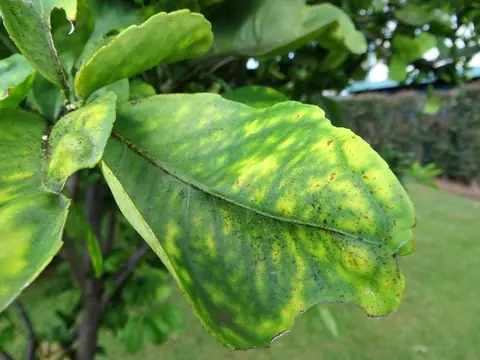
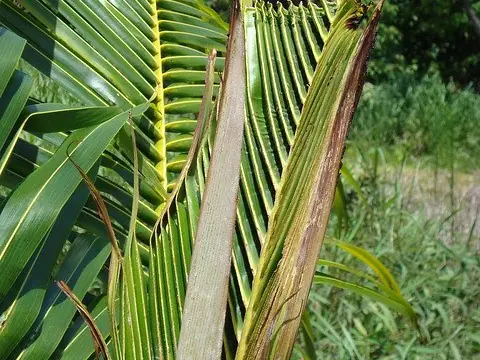
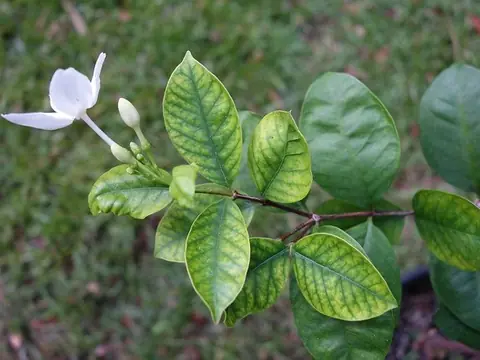
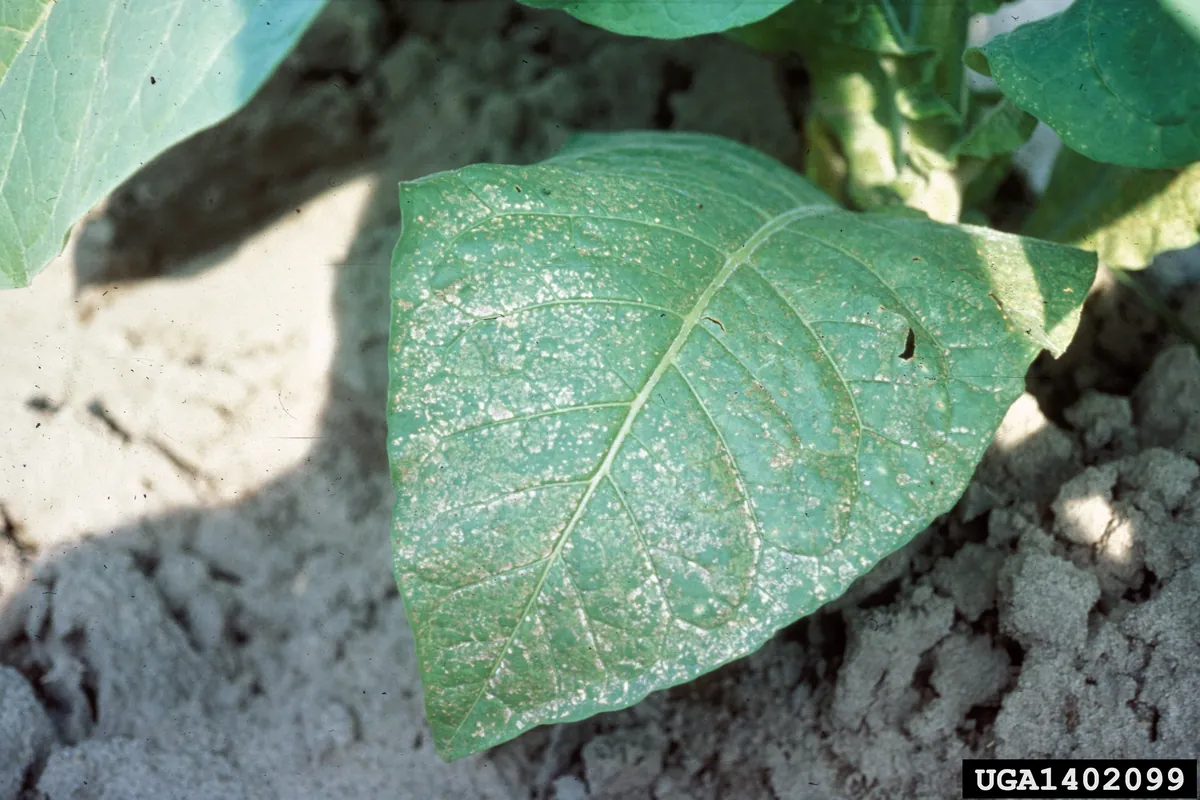
Manganese moves poorly, so the shortage starts on the young and middle leaves. They turn pale between the veins with small dead specks, and the plant may look grayish. It looks a lot like iron shortage, but the speckles and the paler veins give manganese away.
See manganese deficiency for the signs crop by crop.
When manganese in plants is most critical
Manganese matters most for upland crops on limy or heavily limed soil, early in the season. Flooded palay seldom lacks it because flooding frees manganese.
DAT means days after transplanting, DAS days after sowing in the field, and DAP days after planting. The days are the usual ones for a typical variety, so a long or short variety moves them a little. Timing manganese in plants to these windows gets more harvest from the same bags. Our guide to fertilizer timing by growth stage puts them together for a whole season.
Here is when each crop needs it most, from the anee.io stage book:
Rice, corn and other grains
| Crop | Most critical | Also needed | Why it matters then |
|---|---|---|---|
| Palay, transplanted | No stage stands out | Small amounts the rest of the season | Manganese is rarely short except on high pH soils. |
| Palay, direct seeded | No stage stands out | Small amounts the rest of the season | Manganese is rarely short except on high pH soils. |
| Yellow corn | No stage stands out | Small amounts the rest of the season | Manganese is rarely short except on high pH soils. |
| Sweet corn | No stage stands out | Small amounts the rest of the season | Manganese is rarely short except on high pH soils. |
| Other grains (sorghum) | No stage stands out | Small amounts the rest of the season | Manganese is rarely short except on high pH soils. |
Vegetables and legumes
| Crop | Most critical | Also needed | Why it matters then |
|---|---|---|---|
| Leafy vegetables (pechay, cabbage) | No stage stands out | Small amounts the rest of the season | Manganese is rarely short except on high pH soils. |
| Fruit vegetables (tomato, eggplant, pepper) | No stage stands out | Small amounts the rest of the season | Manganese is rarely short except on high pH soils. |
| Gourds and melons (ampalaya, squash) | No stage stands out | Small amounts the rest of the season | Manganese is rarely short except on high pH soils. |
| Legumes (mungbean, peanut, sitaw) | No stage stands out | Small amounts the rest of the season | Manganese is rarely short except on high pH soils. |
| Onion and garlic | No stage stands out | Small amounts the rest of the season | Manganese is rarely short except on high pH soils. |
Root crops, sugarcane and banana
| Crop | Most critical | Also needed | Why it matters then |
|---|---|---|---|
| Root crops (kamote, cassava) | No stage stands out | Small amounts the rest of the season | Manganese is rarely short except on high pH soils. |
| Sugarcane | No stage stands out | Small amounts the rest of the season | Manganese is rarely short except on high pH soils. |
| Banana | No stage stands out | Small amounts the rest of the season | Manganese is rarely short except on high pH soils. |
What keeps manganese from the crop
A pH above about 6.5, heavy liming, dry and well aired soil, and soil rich in organic matter all bind manganese. On the other hand, strongly acid and waterlogged soil can free so much that it harms the crop.
So the risk of shortage is highest on a limed, sandy or limy upland field in a dry spell.
Where manganese comes from
Manganese sulfate on the soil or as a leaf spray is the usual fix. A spray works faster on limy soil, where soil applied manganese locks up quickly. Many trace element blends also carry it. See micronutrients for rice.
- Manganese sulfate: on the soil or as a leaf spray.
- Manganese chelate: for alkaline soil.
- Trace element blends and foliar fertilizers: small amounts with zinc, iron and copper.
On very acid or waterlogged soil, manganese can rise to toxic levels and show as brown spots on older leaves. Liming acid soil to the right pH fixes it.
Put your fertilizers on your crop's calendar in anee.io and the Coverage Planner shows, day by day, whether manganese reaches the stages that need it, and where it runs out. Free to start.
Start freeManganese questions
How do I tell manganese from iron deficiency?
Does lime cause manganese deficiency?
Is manganese a micronutrient?
Can manganese be sprayed?
Read the whole guide
Register for free on anee.io to read the whole page, and every guide on crops and land preparation.
Free to register. No credit card. Works on any phone.