Rice Birds: How to Spot Maya in Your Palay and What Works
Rice birds, the small maya, feed on palay when the grain turns milky and ripe. Only four species out of dozens eat rice, so not every bird in your field is a pest. Here is how to tell them apart and what helps.
What Is Rice Birds?
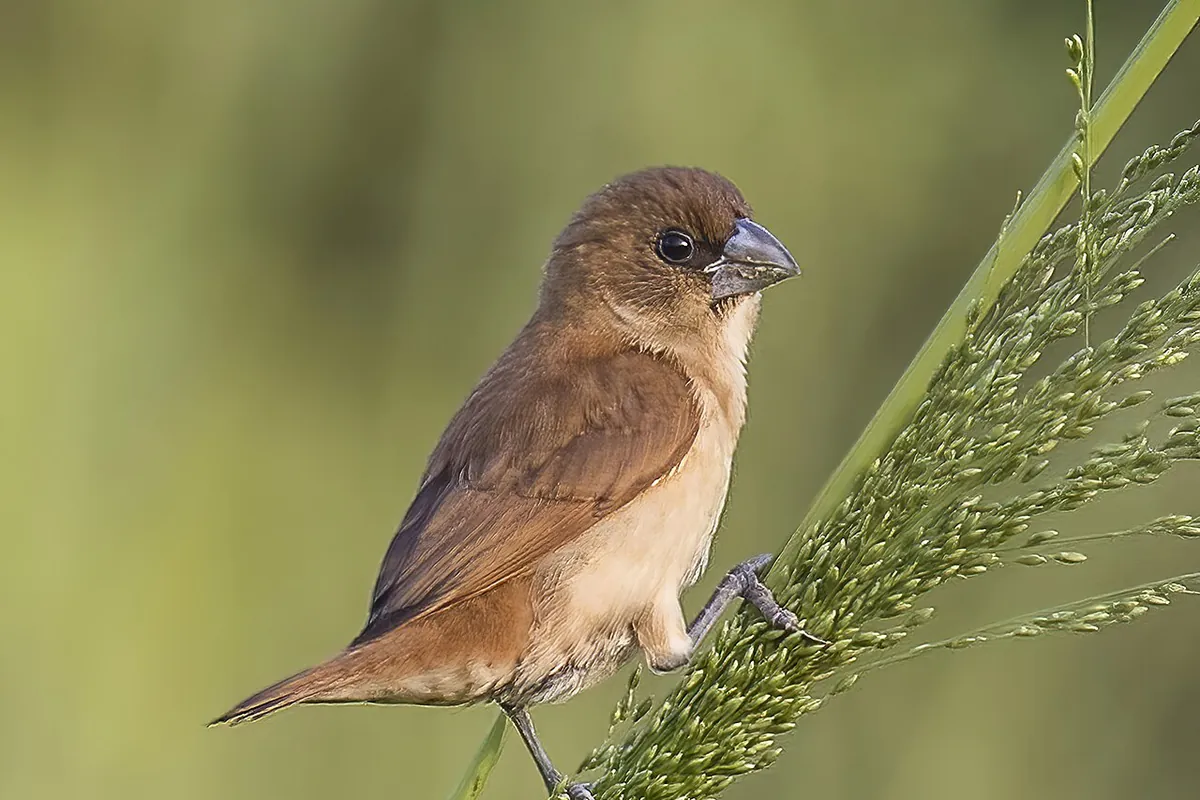
In the Philippines maya means four small birds: the Eurasian tree sparrow, Passer montanus, and three munias, the chestnut, the scaly breasted and the white bellied munia, all of the genus Lonchura. The tree sparrow is also called mayang simbahan.
Over 50 bird species were counted in experimental rice fields, and only these four feed on rice. The rest eat insects, frogs or rats, and many of them help the farmer. So blaming every bird for empty panicles can be wrong.
| Fact | Details |
|---|---|
| Name | Rice birds (maya) |
| Scientific name | Lonchura spp., Passer montanus |
| Kind | Bird |
| Crops it attacks | Rice |
| Local names | Maya is the name for all four species. Mayang simbahan is the tree sparrow. |
| Where it strikes | Panicles and ears |
| When it strikes | From the milky stage to the ripe grain, mostly in the early morning and late afternoon. |
| Life cycle | The birds are gregarious and do not migrate much. Their numbers rise when grain forms and ripens, and they gather in flocks around ripening fields and stores. |
How to Identify Rice Birds
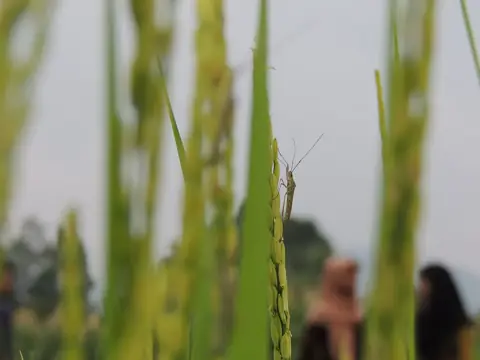
Maya are small, 10 to 30 grams, and they come in noisy flocks. They squeeze the milk from the developing grain or hull the soft grains straight from the panicle. They are most active around 5:30 to 6:30 in the morning. Empty panicles can also come from the rice bug or from rice field rats, so look for the flocks before you decide.
- Flocks of small brown or chestnut birds land on the panicles at the milky stage.
- Panicles show hulled or half eaten grain, and husks lie under the plants.
- Damage grows from the field edge, near trees, roofs and tall grass where the birds roost.
- The birds feed in the early morning and again from the afternoon to dusk.
- Numbers rise as the grain ripens and fall after harvest.
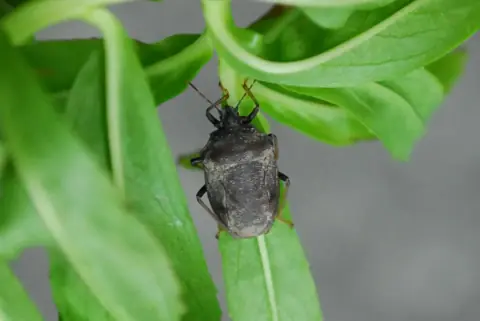
The damage looks like that of the rice bug. A rice bug leaves spotted grains inside the husk, while birds leave hulled or crushed grain. See the guide to rice insects.
How Rice Birds Hurts Your Palay
How much damage the birds really cause is unknown. No standard method of measuring it exists and the birds move around. A study in the Philippines found that the highest panicle damage came from one munia species. The biggest weight loss came from another, so the effect differs by species.
An adult eats about 30 percent of its body weight each day. That is around 3 grams for a munia and 6 grams for a tree sparrow. A big flock can still take a real share of a small field. Weigh your own losses before you spend money on a defense.
How to Control Rice Birds
- Plant together with the farms around you. The ripening window is then short, and the flocks spread across many fields and not one.
- Check first that birds are the cause. Watch the field at dawn and see whether the flock really feeds on the panicles.
- Do not rely on flags, scarecrows or noise. Birds get used to them fast, and a flag only gives them a new perch.
- Guard the field at dawn and dusk during the milky to ripe stage. Use a farmer or a helper who changes the method often.
- Use netting over a small plot or a seedbed where the crop is worth it. Only netting or a closed cover fully protects the crop. It costs money and also keeps out helpful birds.
- Keep the useful birds. Egrets, herons, harriers and owls eat insects, frogs and rats, so do not shoot or net them.
When a Spray Makes Sense
This page names no chemical. Avicides are only a last resort that needs close supervision, and they harm other birds and wildlife. Ask the DA before you consider any such product.
Use only products registered with the Fertilizer and Pesticide Authority, and follow the label for the rate, the timing and the protective clothing. Switch to a different insecticide group next time, so the pest does not learn to survive it. Our guide to integrated pest management explains how.
Keep It Out Next Season
- Plant together with the farms around you, so the ripening window is short and the flocks spread across many fields.
- Guard the field at dawn and dusk from the milk stage to ripening, and change the scaring method often. Birds soon ignore one trick.
- Net small plots and seedbeds where the crop is worth it. Only a net or a closed cover fully protects the grain.
- Harvest on time, clean up spilled grain, and bird proof the grain store, where tree sparrows also live.
- Cut tall weeds and bushes at the field edge where the birds roost.
Natural Enemies and Biological Help
- Leave egrets, herons, harriers and owls alone: they eat insects, frogs and rats, not grain.
Not Sure What You Are Seeing?
Take a clear photo of the insect, the damage and the whole plant, then ask Anee, the smart farm technician in anee.io, in Tagalog or English. Anee tells you what it most likely is and what to do at the age of your crop. You can also put your scouting days on the cropping calendar, so the team knows when to walk the field.
anee.io keeps your scouting, spraying and harvest on one calendar, and Anee answers when something looks wrong.
- Scouting days dated from each lot's own planting day
- Photos and notes for every lot
- Anee, the smart farm technician, in Tagalog or English
Questions Farmers Ask About Rice Birds
Which birds are the maya?
Are all birds in my rice field pests?
Do scarecrows work?
What is the surest protection?
Stop Rice Birds from costing you the harvest
With Libre + Anee, read the whole guide: how to be sure it is this pest, when it pays to act, and what to spray, by active ingredient.
The account is free, no credit card.