Rice Field Rats: How to Spot Them and Stop Them in Your Palay
Rice field rats, mainly Rattus tanezumi, cut tillers and eat grain from the nursery to the harvest. They breed fast, so one neglected field feeds a whole colony. Here are the signs and the steps that actually lower their number.
What Is Rice Field Rats?
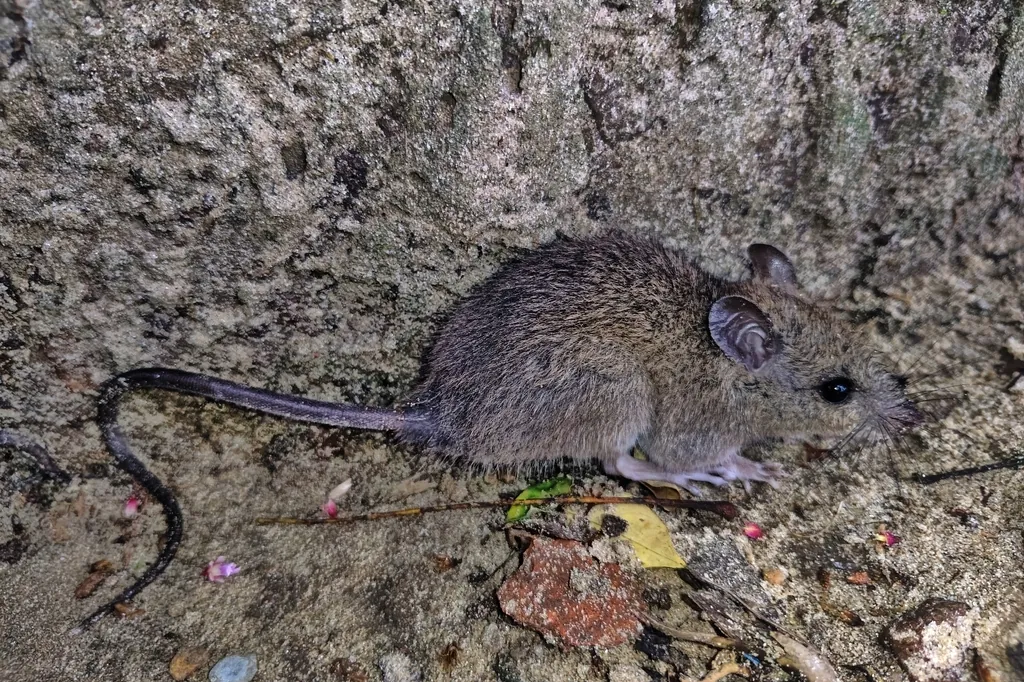
Rice field rats are the most damaging vertebrate pests of palay. In Philippine fields the common species is Rattus tanezumi, and the field rat Rattus argentiventer also lives in rice. They shelter in pilapil, canals, weedy edges and houses nearby.
Farmers care because rats multiply quickly when food is plentiful. Infested fields show damage of 10 percent or more, and an average yield loss of about 2.5 percent. A single bad season can change that quickly, so the work starts before planting.
| Fact | Details |
|---|---|
| Name | Rice field rats |
| Scientific name | Rattus tanezumi |
| Kind | Rodent |
| Crops it attacks | Rice |
| Local names | Daga (Tagalog) |
| Where it strikes | Stems and tillers and panicles and ears |
| When it strikes | Through the whole crop, but the worst cutting comes from booting to ripening, and numbers jump after harvest when grain is spilled. |
| Life cycle | A female can produce about 120 pups in one cropping season, because the pregnancy lasts about 21 days and she mates again right after birth. Rats nest in thick pilapil, so wide banks help them. |
How to Identify Rice Field Rats
Rats cut the tillers at an angle near the base and leave the stems lying in the water. They also gnaw the grain from the panicles and leave husks and tracks along the pilapil. Burrows with fresh soil sit in the banks. Cut tillers can also come from the golden apple snail, but the snail leaves cut seedlings floating and does not chew panicles.
- Tillers are cut at an angle and lie in the water, often in patches or in lines along the pilapil.
- Grain is chewed from the panicles and empty husks are scattered around.
- Fresh burrows with loose soil appear in the pilapil and in dry corners.
- Runways and footprints cross the paddy and run along the banks.
- Damage grows near houses, grain stores, canals and thick weeds.
Birds also cause empty panicles, but they leave the stems standing. Cut stems lying in the water point to rats. The rice birds page shows the difference.
How Rice Field Rats Hurts Your Palay
Damage levels reach 10 percent or more in infested rice fields, with an average yield loss of about 2.5 percent. A bad season is far worse. The loss can reach 5 to 60 percent of the harvest, and a seedbed can be lost completely. The loss depends on the stage. Damage at booting and ripening costs most, because rats eat or cut the tillers that carry the grain.
Rats also breed through the season. A female can produce about 120 pups in one cropping season. The community trap barrier system pays off when damage reaches 10 percent or more.
How to Control Rice Field Rats
- Clean up grain spills at harvest and keep the surroundings free of weeds and rubbish. Field sanitation is the most recommended and the longest lasting step.
- Keep the pilapil and irrigation banks narrower than 20 centimeters, so rats cannot dig their nests there.
- Plant together. Neighbors on about 10 hectares should plant at the same time, so the crop ripens together and rats have less time to feed.
- Build a community trap barrier system, a 20 by 20 meter plot of rice planted 2 to 3 weeks earlier than the rest, fenced with plastic and with traps set along the fence. It costs about 2,700 pesos, and it pays off when damage is 10 percent or more.
- Clean the pilapil so the burrows show. Then dig out the small, shallow burrows, or pour a thick mix of water and mud into them.
- Hunt rats at night, destroy burrows and use traps along the pilapil. Do this as a group, since one farmer cannot clear a whole area alone.
- Protect natural enemies such as owls and snakes where you can, since they eat rats, and keep the surroundings open so rats have no cover.
When Bait Makes Sense
Poison is not the first step, because it does little once the rats have multiplied, and it is dangerous to people, pets and other animals. Use it only as sustained baiting, where bait is kept out for several days instead of scattered once, together with the clean up and burrow work above. Use only rat bait that comes in a sealed pack, and read and follow the directions printed on it. That is why this page names no poison. Ask your local DA office before you start any baiting.
Use only rat bait registered with the Fertilizer and Pesticide Authority, in its sealed pack, and follow the label for the amount, the placement and the protective gloves. Keep it away from children, pets and farm animals. Our guide to integrated pest management explains how baiting fits with the other steps.
Keep It Out Next Season
- Plant together: neighbors on about 10 hectares should plant in the same two weeks, so the crop ripens at once.
- Keep pilapil and canal banks narrower than 20 cm and free of weeds, so rats cannot nest in them.
- Clean up spilled grain, straw piles and rubbish at harvest. Sanitation is the longest lasting step.
- Set a community trap barrier system: a 20 by 20 m plot planted 2 to 3 weeks early, fenced with plastic, with traps in the fence.
- Dig out or flood burrows and hunt rats at night as a group at land preparation, before they breed.
- If you bait, bait as a whole community, with sealed bait kept in stations for several days, never scattered once.
Natural Enemies and Biological Help
- Barn owls, grass owls, snakes and monitor lizards eat many rats. Perches and nest boxes near the field bring owls in.
- Prefer traps and slow baits where owls hunt, since strong baits pass on to the owls that eat poisoned rats.
Not Sure What You Are Seeing?
Take a clear photo of the insect, the damage and the whole plant, then ask Anee, the smart farm technician in anee.io, in Tagalog or English. Anee tells you what it most likely is and what to do at the age of your crop. You can also put your scouting days on the cropping calendar, so the team knows when to walk the field.
anee.io keeps your scouting, spraying and harvest on one calendar, and Anee answers when something looks wrong.
- Scouting days dated from each lot's own planting day
- Photos and notes for every lot
- Anee, the smart farm technician, in Tagalog or English
Questions Farmers Ask About Rice Field Rats
How fast do rice field rats multiply?
Is poison the best answer?
What is the community trap barrier system?
When should I start?
Stop Rice Field Rats from costing you the harvest
With Libre + Anee, read the whole guide: how to be sure it is this pest, when it pays to act, and what to spray, by active ingredient.
The account is free, no credit card.