

Citrus rind borer
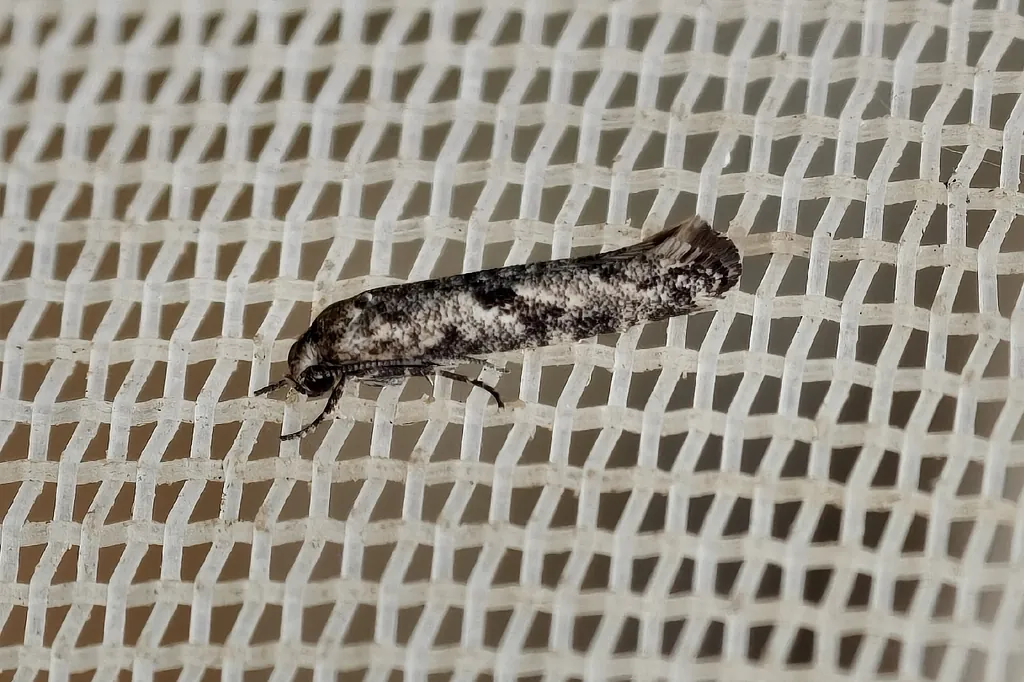
Small caterpillars tunnel in the rind of young fruits, leaving gummy entry holes and corky scars, and many fruits rot or drop.
Crops it attacks
Where the damage shows
When to act
From fruit set, check 20 young fruits on each of 10 trees every week for tiny gummy specks or raised lumps on the rind. Eggs go on the skin as early as fruit set and the cycle takes about 3 weeks, so bag at once when the first marks show.
What to spray
Active ingredients only, never brands. The IRAC group tells how it works: switch to a different group next time, so the pest does not learn to survive it. Spray only when the damage is worth the cost, and only with products registered with the Fertilizer and Pesticide Authority for your crop. Follow the label. The Shopee and Lazada links only show who sells something with that active ingredient, not a recommendation of any seller or product.
Resistance: In a mandarin trial, fruits sprayed with chlorpyrifos still showed over a quarter with rind lumps, a sign the moth may be learning to survive sprays. Do not lean on one group. Bagging and fungi cut damage more.
On labels for it, but not advised
- Imidacloprid: Does little to caterpillars inside the rind. It is made for sucking insects such as scales and mealybugs.
How to prevent it
- Bag pomelo fruits soon after fruit set and thinning, with net or paper bags. In trials bagging was the most cost effective control.
- Pick off and bury fruits with rind lumps, and gather fallen fruits every week, so larvae cannot finish their growth.
- Thin fruit clusters so each fruit can be checked and bagged.
- Prune trees low and open so bagging, picking and checks are quick.
- Work with your neighbors. An unbagged orchard nearby keeps the moth going.
Natural enemies and biological help
- Entomopathogenic fungi sprayed on young fruits cut rind lumps to a small share of fruits in a mandarin trial.
- Tiny egg wasps, spiders and ants attack eggs and young larvae on the skin. Broad sprays kill them.
Not sure it is this one?
Many pests look alike. Send a photo to Anee, the smart farm technician in anee.io. She reads it with your crop, its age and the weather, and tells you what it most likely is and what to do first. In Tagalog or English.