

Aphids
Clusters of small soft green, gray or black insects suck under young leaves, which curl, turn sticky and grow black sooty mold.
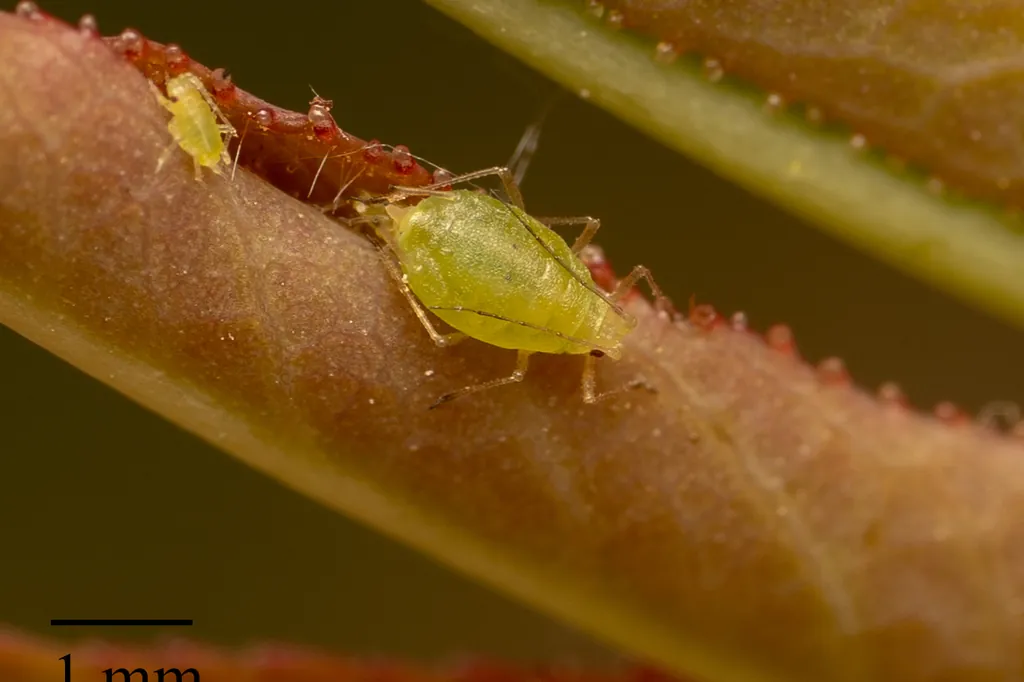
Crops it attacks
Where the damage shows
When to act
Twice a week check the young leaves and shoot tips of 20 plants at 5 spots. Act when colonies sit on more than 1 in 5 plants and you see few lady beetles, syrphid larvae or swollen bronze (parasitized) aphids. On squash, sayote and sili, where aphids spread virus, act sooner.
What to spray
- FlonicamidIRAC 29ShopeeLazada
- ThiamethoxamIRAC 4AShopeeLazada
- DinotefuranIRAC 4AShopeeLazada
- Chlorantraniliprole plus thiamethoxamIRAC 28 plus 4AShopeeLazada
- CyantraniliproleIRAC 28ShopeeLazada
- ImidaclopridIRAC 4AShopeeLazada
- AzadirachtinIRAC UNShopeeLazada
- TolfenpyradIRAC 21AShopeeLazada
- ClothianidinIRAC 4AShopeeLazada
- Cartap hydrochlorideIRAC 14ShopeeLazada
- MethomylIRAC 1AShopeeLazada
- ProfenofosIRAC 1BShopeeLazada
Active ingredients only, never brands. The IRAC group tells how it works: switch to a different group next time, so the pest does not learn to survive it. Spray only when the damage is worth the cost, and only with products registered with the Fertilizer and Pesticide Authority for your crop. Follow the label. The Shopee and Lazada links only show who sells something with that active ingredient, not a recommendation of any seller or product.
Resistance: Green peach aphid and melon aphid in Asia survive many organophosphates, carbamates and pyrethroids, and some now survive imidacloprid and other neonicotinoids. Keep one group per window: a neonicotinoid (4A), then flonicamid (29), pymetrozine (9B) or spirotetramat (23), and never two neonicotinoids in a row.
On labels for it, but not advised
- Chlorfenapyr: Made for caterpillars and mites. It does not control aphids well.
- Chlorfenapyr plus spinosad: Neither half controls aphids well. Both are made for caterpillars.
- Permethrin, cypermethrin, alpha cypermethrin, beta cyfluthrin and lambda cyhalothrin: Green peach and melon aphids in Asia survive pyrethroids, and the spray kills lady beetles, so aphids return worse.
How to prevent it
- Raise seedlings under fine net and plant only clean seedlings.
- Go easy on nitrogen. Soft, lush growth feeds big aphid colonies.
- Remove weeds and old crop remains that keep aphids alive between crops.
- Yellow sticky traps show when winged aphids arrive. Silver plastic mulch keeps many off young plants.
- While numbers are low, wash colonies off with a strong jet of water or pinch off the worst shoots.
- Flowering borders such as coriander or marigold feed the lady beetles and syrphid flies that eat aphids.
Natural enemies and biological help
- Lady beetles, syrphid fly larvae, lacewings and small wasps eat or parasitize aphids. Leave them unsprayed.
- Soap, oil and neem sprays kill aphids on contact with little harm to most helpers.
- Fungi such as Beauveria bassiana and Lecanicillium lecanii help in humid, cool weather.
Where this comes from
Not sure it is this one?
Many pests look alike. Send a photo to Anee, the smart farm technician in anee.io. She reads it with your crop, its age and the weather, and tells you what it most likely is and what to do first. In Tagalog or English.