

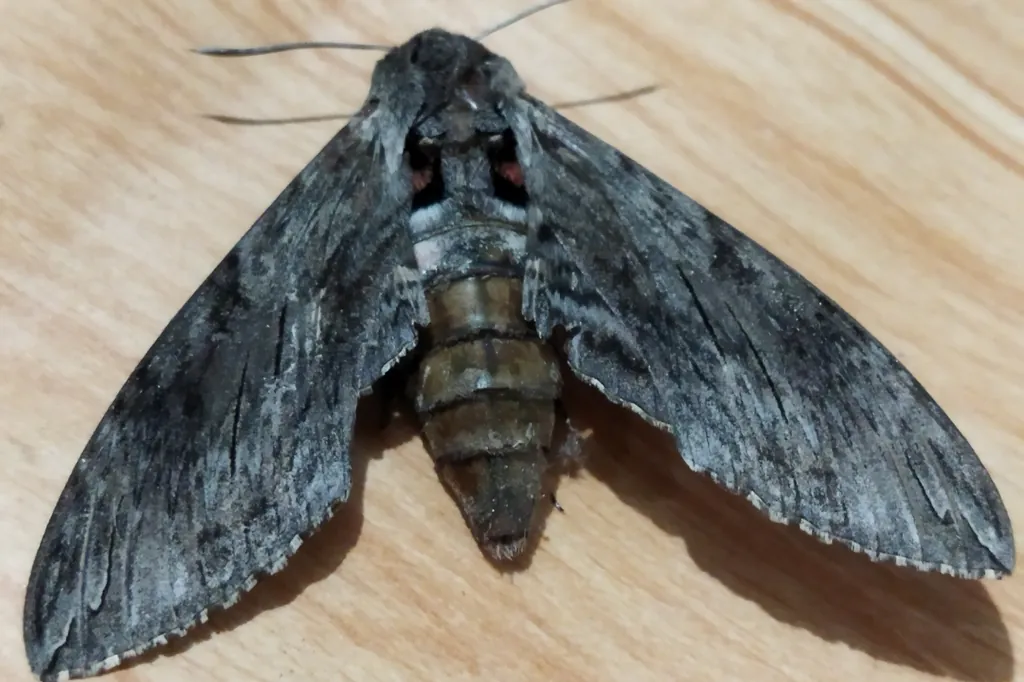
Hornworms (sweet potato and taro)
Big green or brown caterpillars with a horn on the tail eat whole leaves, leaving bare stalks and large droppings below.
Crops it attacks
Where the damage shows
When to act
Walk the field weekly and look for big droppings and stripped vines. Handpick every larva you find. Spray Bt only when young larvae average more than 1 per plant over a whole patch.
What to spray
Active ingredients only, never brands. The IRAC group tells how it works: switch to a different group next time, so the pest does not learn to survive it. Spray only when the damage is worth the cost, and only with products registered with the Fertilizer and Pesticide Authority for your crop. Follow the label. The Shopee and Lazada links only show who sells something with that active ingredient, not a recommendation of any seller or product.
How to prevent it
- Handpick the larvae in the morning or evening. Follow the fresh droppings to find them.
- Plow after harvest to turn up the pupae in the soil for birds and the sun.
- Keep wild morning glory and other vine weeds of the same family away from sweet potato and kangkong.
- Do not plant a new field right beside an old one full of larvae.
Natural enemies and biological help
- Small wasps and tachinid flies parasitize the larvae. Leave larvae with white cocoons on their backs alive.
- Birds, chickens and ducks pick off many larvae and pupae.
Where this comes from
Not sure it is this one?
Many pests look alike. Send a photo to Anee, the smart farm technician in anee.io. She reads it with your crop, its age and the weather, and tells you what it most likely is and what to do first. In Tagalog or English.