

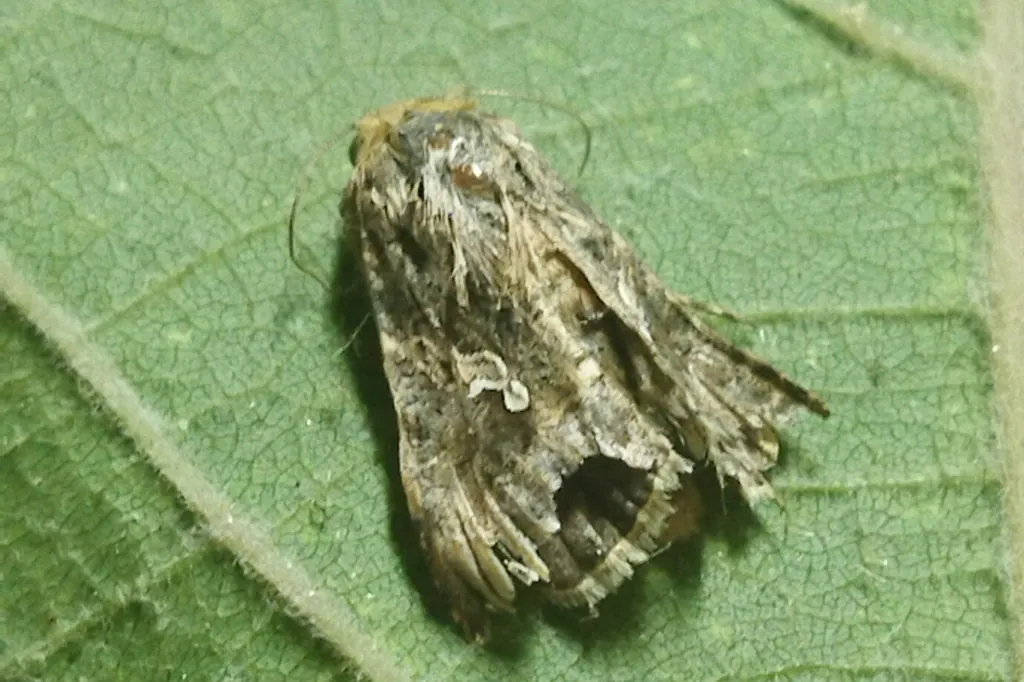
Cabbage looper
Green caterpillars with thin white stripes along the sides arch their backs as they crawl and chew ragged holes in the leaves, leaving the veins.
Crops it attacks
Where the damage shows
When to act
Check 20 plants at 5 spots twice a week and count loopers together with diamondback larvae. Act when 3 in 10 plants carry larvae before heading, or 1 in 10 once heads form. On lettuce, act sooner, since any hole spoils the leaf.
What to spray
- Bacillus thuringiensis kurstakiIRAC 11AShopeeLazada
- MalathionIRAC 1BShopeeLazada
- ProfenofosIRAC 1BShopeeLazada
Active ingredients only, never brands. The IRAC group tells how it works: switch to a different group next time, so the pest does not learn to survive it. Spray only when the damage is worth the cost, and only with products registered with the Fertilizer and Pesticide Authority for your crop. Follow the label. The Shopee and Lazada links only show who sells something with that active ingredient, not a recommendation of any seller or product.
How to prevent it
- Handpick the green loopers and their round eggs under the leaves on small plots.
- Raise seedlings under fine net and plant only clean seedlings.
- Plow under crop remains right after harvest and keep weeds down around the field.
- Rotate cabbage and lettuce with crops of other families.
Natural enemies and biological help
- Bt kills young loopers and spares the wasps that attack loopers and diamondback moth.
- Small egg wasps and larval wasps, spiders and birds take many loopers in fields sprayed less often.
Not sure it is this one?
Many pests look alike. Send a photo to Anee, the smart farm technician in anee.io. She reads it with your crop, its age and the weather, and tells you what it most likely is and what to do first. In Tagalog or English.