

Cotton stainer
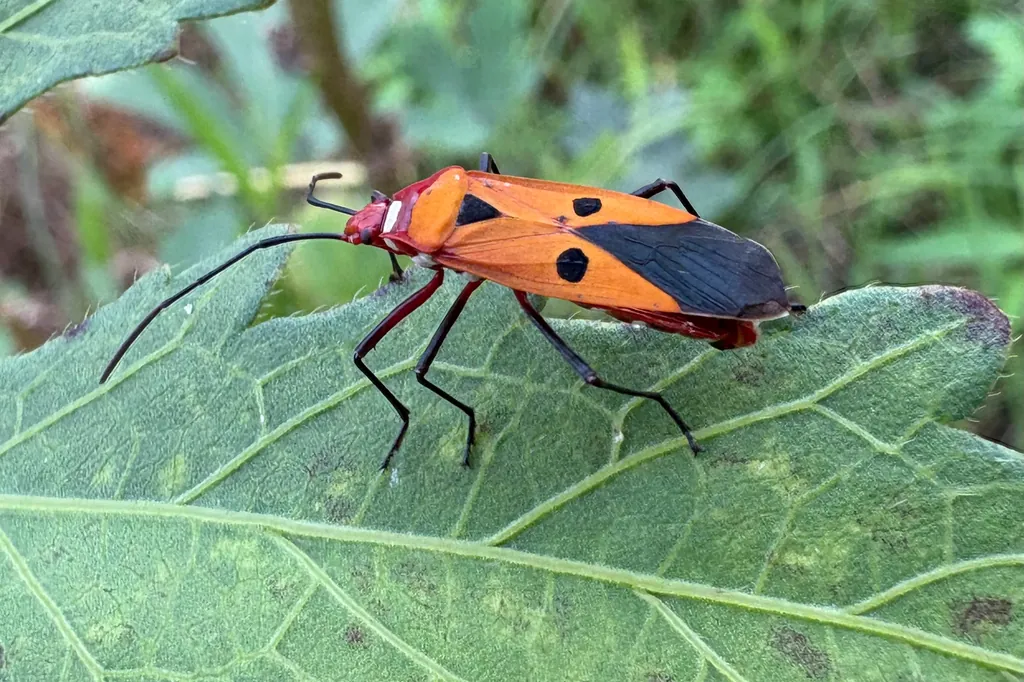
Red and black bugs feed on the bolls, young bolls shrivel, and the lint comes out stained.
Crops it attacks
Where the damage shows
When to act
From the first open bolls, check 20 plants at each of five spots every week. Act when clusters of bugs feed on many open or nearly open bolls. A few bugs on fallen bolls do little harm.
What to spray
Active ingredients only, never brands. The IRAC group tells how it works: switch to a different group next time, so the pest does not learn to survive it. Spray only when the damage is worth the cost, and only with products registered with the Fertilizer and Pesticide Authority for your crop. Follow the label. The Shopee and Lazada links only show who sells something with that active ingredient, not a recommendation of any seller or product.
How to prevent it
- Pick open bolls promptly, and remove the fallen, rotting bolls where the bugs gather and breed.
- Clear kapok, wild mallows and other host plants from around the field.
- Put out small heaps of cotton seed as bait, then shake the bugs gathered there into a pail of soapy water.
- In the cool morning, when the bugs are slow, shake the plants over a pail of soapy water.
- Plow under the crop debris after harvest and keep a break before the next cotton.
Natural enemies and biological help
- Assassin bugs, spiders, birds and ants prey on stainers. Spare them.
- A larger red predator bug that looks like the stainer feeds on it. Do not kill it by mistake.
Not sure it is this one?
Many pests look alike. Send a photo to Anee, the smart farm technician in anee.io. She reads it with your crop, its age and the weather, and tells you what it most likely is and what to do first. In Tagalog or English.