

Cotton aphid (melon aphid)
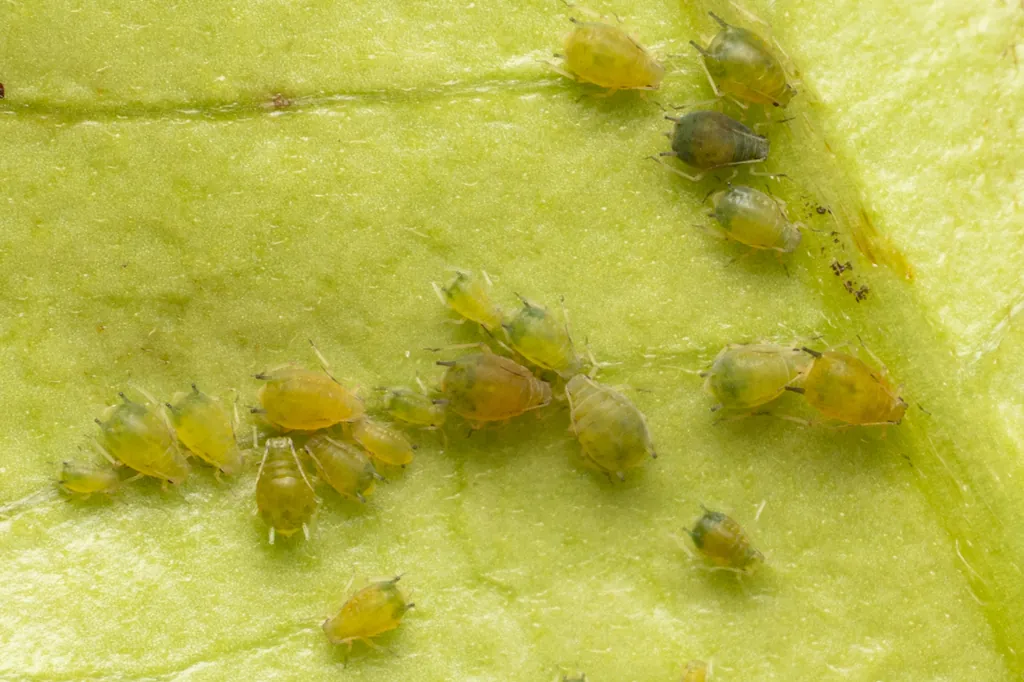
Dark green to yellow aphids cluster under the young leaves, which curl down and turn sticky and black with sooty mold.
Crops it attacks
Where the damage shows
When to act
Weekly, check the underside of a top leaf on 20 plants at 5 spots. Act when colonies sit on more than 1 in 5 plants and lady beetles and parasitized aphids are few, or at once if honeydew drips on open bolls.
What to spray
Active ingredients only, never brands. The IRAC group tells how it works: switch to a different group next time, so the pest does not learn to survive it. Spray only when the damage is worth the cost, and only with products registered with the Fertilizer and Pesticide Authority for your crop. Follow the label. The Shopee and Lazada links only show who sells something with that active ingredient, not a recommendation of any seller or product.
Resistance: Cotton aphid in Asia resists pyrethroids, many organophosphates and carbamates, and in places imidacloprid. Keep sprays few, switch groups each time, and lean on soap, oil and predators.
On labels for it, but not advised
- Cypermethrin and fenvalerate: Cotton aphids in Asia widely resist pyrethroids, and the spray kills lady beetles, so aphids flare.
How to prevent it
- Avoid early broad sprays. They kill the lady beetles and set off aphid outbreaks later.
- Go easy on nitrogen and avoid water stress.
- Remove weeds and old cotton or okra plants around the field.
- Plant on time, together with your neighbors.
Natural enemies and biological help
- Lady beetles, lacewings, syrphid larvae and small wasps eat or parasitize the aphids. Leave them unsprayed.
- Soap, oil and neem kill colonies on contact. Fungi help in humid weather.
Not sure it is this one?
Many pests look alike. Send a photo to Anee, the smart farm technician in anee.io. She reads it with your crop, its age and the weather, and tells you what it most likely is and what to do first. In Tagalog or English.