Cocolisap: How to Spot It and Stop It on Your Coconut Palms
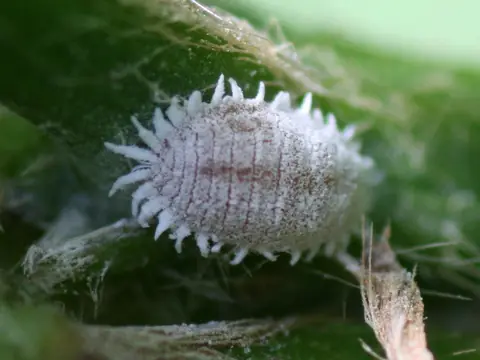
Cocolisap, the coconut scale insect Aspidiotus rigidus, sucks sap from the underside of coconut leaflets. Heavy attacks turn fronds yellow and dry, and a palm can die in 6 months or less. This page shows how to recognize it, how the Comperiella wasp helps, and when a trunk injection is the last option.
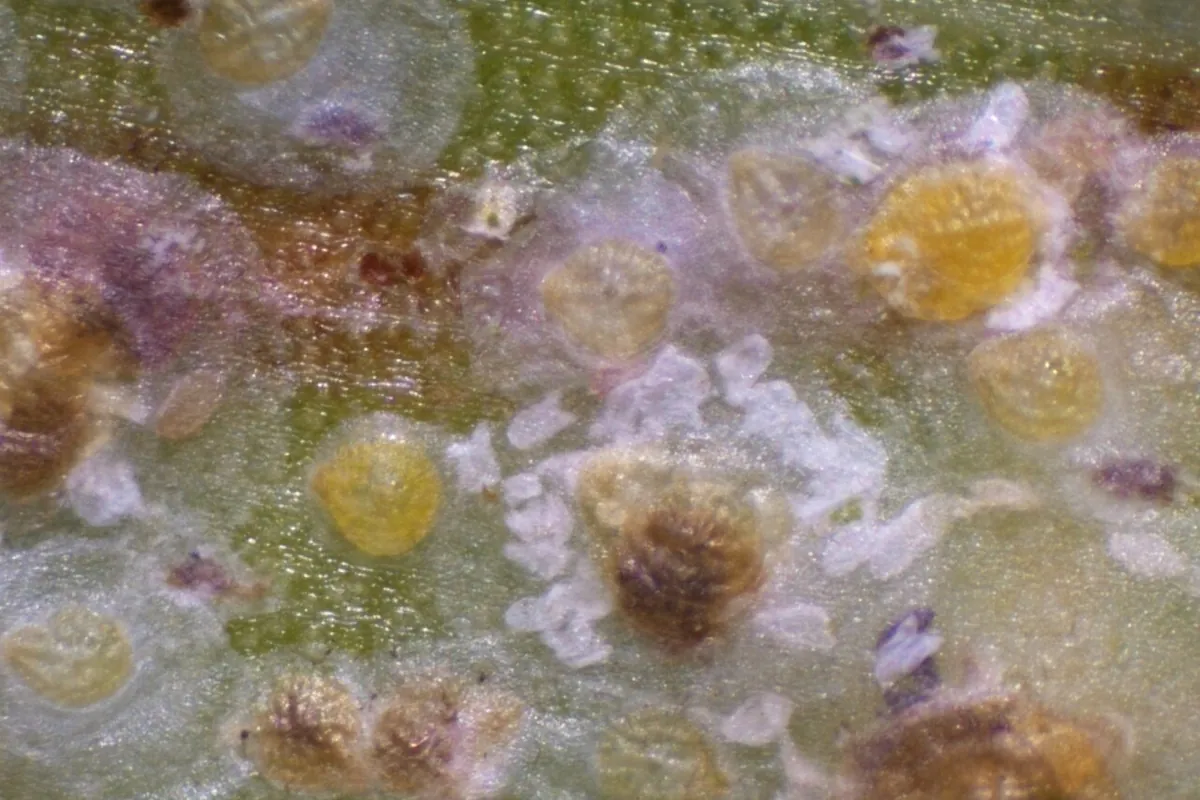
What Is Cocolisap?
Cocolisap is a small armored scale insect. It sits on the underside of the leaflets under a tough, rigid cover, so many farmers first notice the yellow fronds and not the insect. The outbreak began in 2009 in Batangas on Luzon and reached devastating levels from 2010 to 2014. A second outbreak hit the Zamboanga Peninsula in Mindanao from 2017 to 2020.
Coconut is the main host, and the insect also turns up on mangosteen seedlings. Millions of palms were lost nationwide. Because coconut supports many farm families, a cocolisap outbreak in one barangay is a problem for the whole district.
| Fact | Details |
|---|---|
| Name | Coconut scale insect (cocolisap) |
| Scientific name | Aspidiotus rigidus |
| Kind | Insect |
| Crops it attacks | Coconut |
| Local names | None recorded |
| Where it strikes | Leaves and the whole plant |
| When it strikes | It can attack coconut at any age and any season, and it builds up fast once an outbreak starts in a district. |
| Life cycle | Crawlers, the tiny young scales, move a short way on their own, and the wind carries them between palms. A full life cycle takes about 45 to 55 days. |
How to Identify Cocolisap
Turn a leaflet over and look at the underside. Cocolisap shows as small, flat, tough scales stuck close to the leaf, often in crowded patches. The scale cover is more rigid than the cover of the related Aspidiotus destructor, and the egg skins lie in a crescent under half of the scale. Mealy white insects or sooty black mold point to other pests, so check the scale cover first.
- Small flat scales crowd the underside of the leaflets.
- Leaves turn yellow, then wilt and dry out, starting with the older fronds.
- Nuts have less meat and the milk tastes sour.
- Seedlings and young palms can die when the attack is heavy.
- Whole stands of palms look scorched and thin when the outbreak is strong.
Cocolisap is often confused with other scale insects and with the coconut leaf beetle. The beetle chews the young spear leaf and leaves scorched streaks, while cocolisap sucks from the underside of open leaflets.
How Cocolisap Hurts Your Crop
Feeding on the underside of the leaflets cuts photosynthesis and transpiration. Researchers in the Philippines report that a palm can die in 6 months or less. A Pacific fact sheet says a moderate attack can cut copra yield by 25 to 50 percent.
The outbreak around Batangas wiped out stands in the early 2010s. Since then the native wasp Comperiella calauanica has pushed cocolisap back to a minor pest in CALABARZON, Romblon, Bicol, the Zamboanga Peninsula and Basilan. So the news is better now, but new areas can still be invaded.
How to Control Cocolisap
- Report the first yellow palms to the PCA or your municipal agriculturist right away. Early reports let the agency bring in the biological control before the outbreak spreads.
- Cut and remove the badly infested lower fronds and dispose of them away from the grove. Inspect every seedling before you plant it, because infested planting material moves the insect.
- Protect the parasitoid wasp Comperiella calauanica. This native wasp reached up to 96.5 percent parasitism in field surveys, and the PCA mass rears it for new outbreak areas. Ask your PCA office about releases.
- Do not spray broad spectrum insecticides on palms where the wasp is working, because they kill it too.
- Keep palms well fed and well watered, since a healthy palm survives an attack better than a weak one.
- As the last step, PCA emergency work used trunk injection of a systemic insecticide. Only trained PCA staff should do this.
When a Spray Makes Sense
Spraying tall palms is hard and kills the wasps that do the real work, so chemicals come last. During the first outbreak the emergency response used trunk injection of dinotefuran. Follow the label and the FPA registration, and ask the PCA first.
| Active ingredient | IRAC group | On Philippine labels |
|---|---|---|
| Dinotefuran | IRAC 4A | A first choice. 8 registered products name it on coconut. |
Use only products registered with the Fertilizer and Pesticide Authority, and follow the label for the rate, the timing and the protective clothing. Switch to a different insecticide group next time, so the pest does not learn to survive it. Our guide to integrated pest management explains how.
Keep It Out Next Season
- Never carry coconut seedlings, fronds, husks or ornamental palms out of an infested area. That is how cocolisap spread.
- Cut the badly crusted lower fronds and burn or bury them on the spot, before the crawlers move on.
- Report the first yellowing palms to your local agriculture office at once, so wasp releases can start early.
- Do not spray broad insecticides on the palms or on the crops under them. It kills the wasps and lady beetles doing the work.
- Fertilize and weed the palms well. A well fed palm survives an attack and recovers faster.
Natural Enemies and Biological Help
- The native wasp Comperiella calauanica parasitizes cocolisap and brought the outbreaks down. Protect it and ask for releases.
- Small lady beetles and other predators eat the scales and their crawlers. Leave them be.
Not Sure What You Are Seeing?
Take a clear photo of the insect, the damage and the whole plant, then ask Anee, the smart farm technician in anee.io, in Tagalog or English. Anee tells you what it most likely is and what to do at the age of your crop. You can also put your scouting days on the cropping calendar, so the team knows when to walk the field.
anee.io keeps your scouting, spraying and harvest on one calendar, and Anee answers when something looks wrong.
- Scouting days dated from each lot's own planting day
- Photos and notes for every lot
- Anee, the smart farm technician, in Tagalog or English
Questions Farmers Ask About Cocolisap
What is cocolisap?
Which wasp controls cocolisap?
Can I spray cocolisap myself?
How does cocolisap move to other farms?
Stop Cocolisap from costing you the harvest
With Libre + Anee, read the whole guide: how to be sure it is this pest, when it pays to act, and what to spray, by active ingredient.
The account is free, no credit card.