

Tussock caterpillars
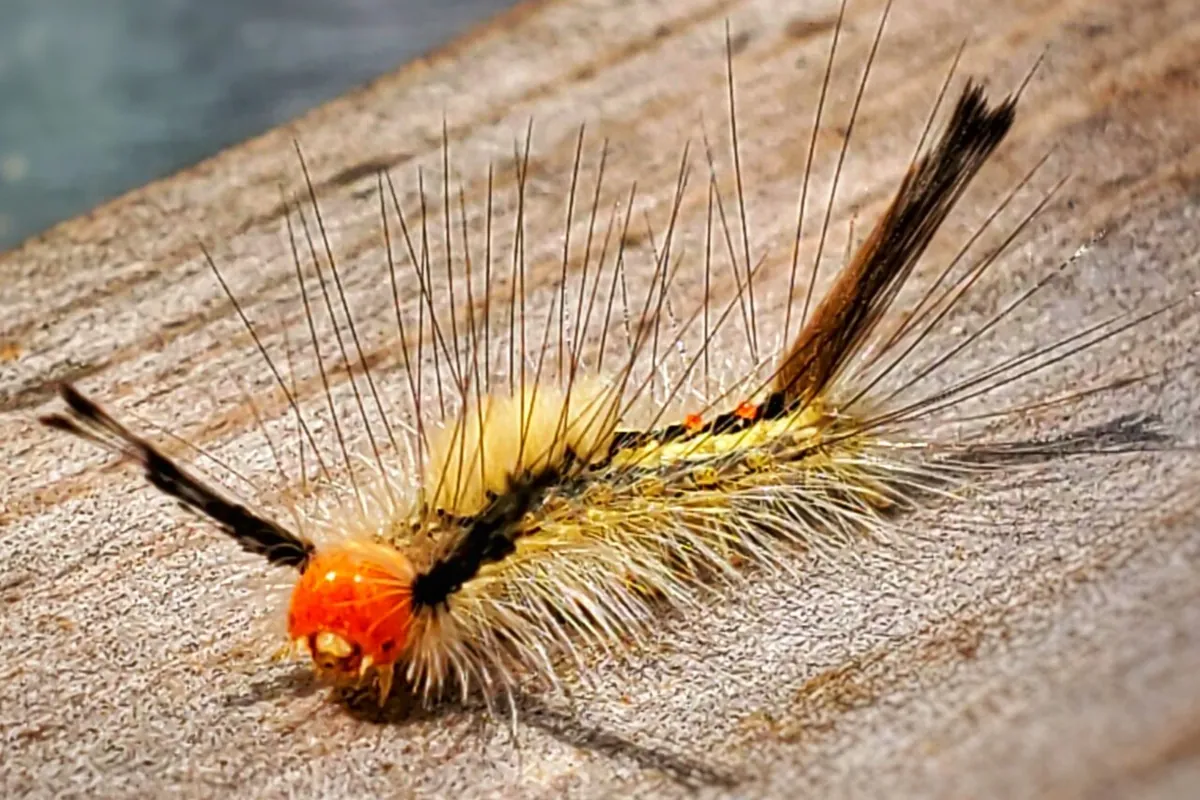
Hairy caterpillars with tufts on the back eat young flushes and leaves, leaving ragged leaves; the hairs can sting the skin.
Crops it attacks
Where the damage shows
When to act
Each week while trees flush, look over the new leaves for hairy egg masses and groups of small caterpillars. Remove them by hand while they are still together. Spray only when many trees carry big, spread out caterpillars.
What to spray
Active ingredients only, never brands. The IRAC group tells how it works: switch to a different group next time, so the pest does not learn to survive it. Spray only when the damage is worth the cost, and only with products registered with the Fertilizer and Pesticide Authority for your crop. Follow the label. The Shopee and Lazada links only show who sells something with that active ingredient, not a recommendation of any seller or product.
On labels for it, but not advised
- Carbaryl: Kills bees and the wasps that parasitize tussock caterpillars, and can bring mites and scales after it.
How to prevent it
- Wear gloves and pick off the hairy egg masses and the young caterpillar groups, then crush or burn them.
- Cut off and burn twigs with webbing and caterpillar groups.
- Tie sticky bands around the trunk to catch caterpillars and wingless females climbing up.
- Check the trees most closely at each flush. The caterpillars go for young leaves.
- Keep the hairs off skin and eyes: work in long sleeves and do not burn the hairs where smoke blows on people.
Natural enemies and biological help
- Parasitic wasps and flies, birds and a natural virus often crash tussock caterpillar outbreaks. Avoid broad sprays.
- Bt sprays on young caterpillars kill them and spare their enemies.
Not sure it is this one?
Many pests look alike. Send a photo to Anee, the smart farm technician in anee.io. She reads it with your crop, its age and the weather, and tells you what it most likely is and what to do first. In Tagalog or English.