

Pineapple red mite
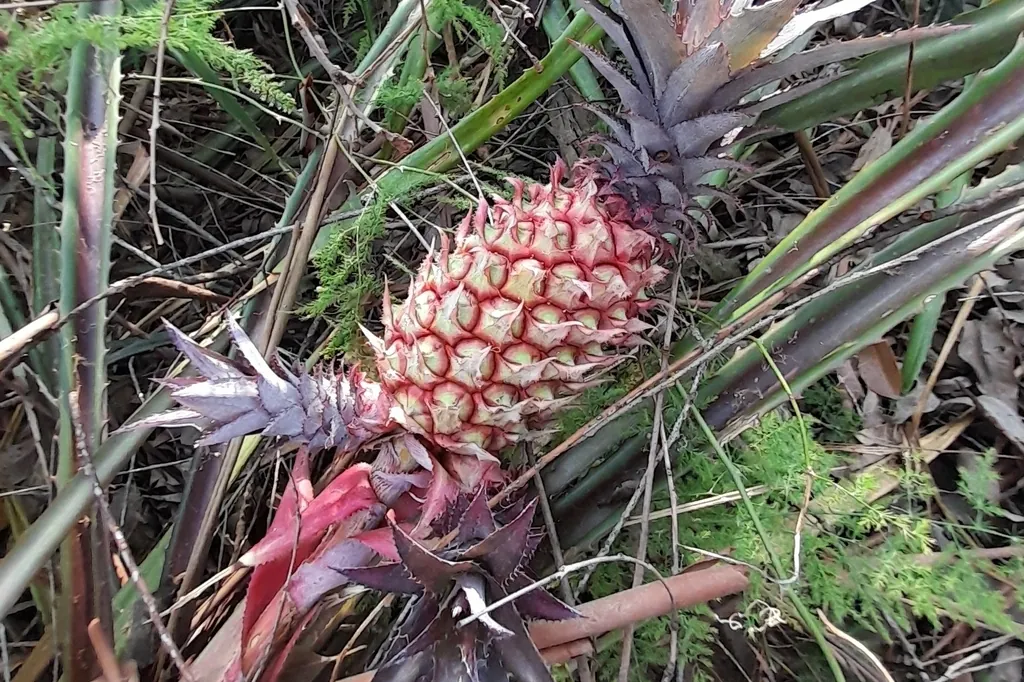
Tiny orange red mites gather at the pale base of the leaves and on the crown and fruit, leaving brown scabby patches where they feed.
Crops it attacks
Where the damage shows
When to act
In dry months, use a hand lens every two weeks on the pale leaf bases of 5 plants at each of ten spots, and on the crowns of young fruit. Act when live mites and fresh brown patches show on plants in several spots, mostly in the young crop and before flowering.
What to spray
- AbamectinIRAC 6ShopeeLazada
- SpirotetramatIRAC 23ShopeeLazada
- SulfurFRAC M02ShopeeLazada
- FenazaquinIRAC 21AShopeeLazada
- FenpyroximateIRAC 21AShopeeLazada
- Pirimiphos methylIRAC 1BShopeeLazada
Active ingredients only, never brands. The IRAC group tells how it works: switch to a different group next time, so the pest does not learn to survive it. Spray only when the damage is worth the cost, and only with products registered with the Fertilizer and Pesticide Authority for your crop. Follow the label. The Shopee and Lazada links only show who sells something with that active ingredient, not a recommendation of any seller or product.
No spray for this mite is listed in Philippine guides; plant clean slips and crowns, and keep plants watered in dry months when the mite builds up.
How to prevent it
- Plant clean slips and crowns, since the mite rides on planting material. Check their pale bases before planting.
- Water in dry months: the mite builds up on drought stressed plants.
- Clear old plants and residue before replanting.
- Avoid broad insecticides that kill the predatory mites.
Natural enemies and biological help
- Predatory mites and tiny lady beetles feed on the red mite. Spare them.
Where this comes from
Not sure it is this one?
Many pests look alike. Send a photo to Anee, the smart farm technician in anee.io. She reads it with your crop, its age and the weather, and tells you what it most likely is and what to do first. In Tagalog or English.