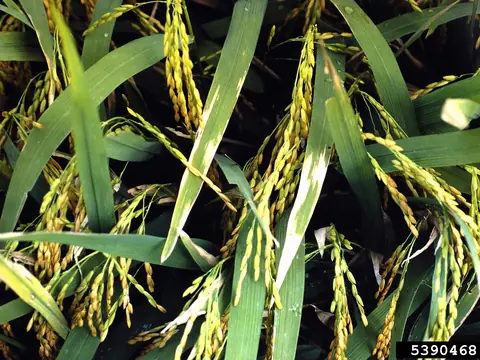
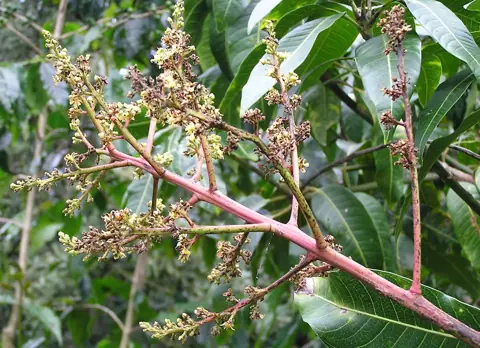
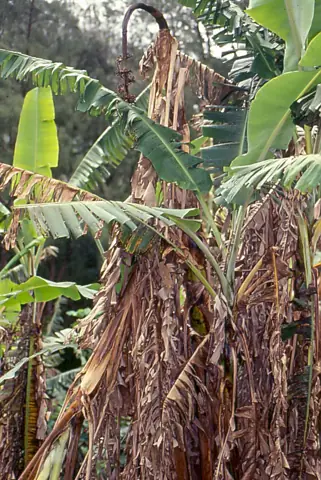
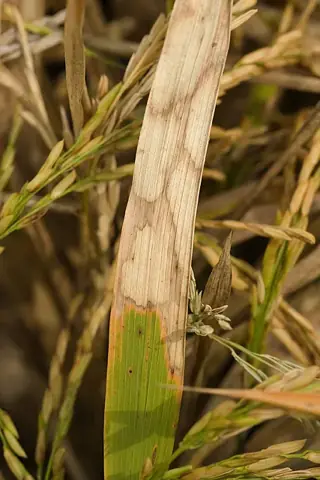
Plant Diseases in the Philippines: Causes, Signs and Prevention
Plant diseases in the Philippines come from four living causes: fungi and water molds, bacteria, viruses and viroids, and nematodes. Each leaves its own marks on a leaf, a stem or a root. This guide shows how to read those marks and how each cause spreads. It names the worst diseases of rice, corn, vegetables, banana, coconut and mango, and explains why prevention beats any spray.
What a plant disease is, in English and Tagalog
A disease is any disturbance of a plant's normal structure, function or economic value. So a stunted tiller, a rotting fruit and a spotted leaf all count. Not every disease comes from a germ, though. Zinc deficiency or a herbicide burn can make a plant sick too, but it never spreads.
Diseased in Tagalog is may sakit, and a sick plant is halamang may sakit. Sakit means illness or disease, so farmers call plant diseases sakit ng halaman. Mildew in Tagalog is amag, the same word for mold on bread. Rice blast, for example, is mata mata in Bisaya and agupaw in Waray.
The four causes of plant diseases and how each looks
Fungi cause many of the worst crop diseases, and their spores travel by wind, water, insects, seed, soil and tools. Water molds, or oomycetes, look like fungi but form a separate group that thrives in wet weather. Bacteria are single cells that enter through wounds and natural openings. Viruses and viroids multiply only inside living cells, and insects carry many of them. Finally, nematodes are tiny soil worms that feed on roots.
| What you see | Likely cause | Examples |
|---|---|---|
| Spots with a dark border or rings, powdery or cottony growth, black resting bodies | Fungus | Rice blast, anthracnose, powdery mildew, Fusarium wilt |
| Pale streaks with white, downy growth in humid weather, bud or fruit rot after long rains | Water mold | Corn downy mildew, downy mildew, late blight, coconut bud rot |
| Water soaked spots or stripes, milky ooze, sudden wilting, soft rot with a foul smell | Bacterium | Bacterial leaf blight, bacterial wilt, moko, soft rot |
| Mottled, yellow, curled or bunched leaves, stunting, the insect carrier nearby | Virus or viroid | Tungro, banana bunchy top, tomato leaf curl, cadang cadang |
| Patches of stunted plants that wilt in the heat, knots on the roots | Nematode | Root knot nematode |
A symptom is how the plant reacts, such as yellowing. A sign is the germ itself: fungal growth, sclerotia or bacterial ooze. For example, the test for bacterial leaf blight is to stand a cut lesion in clear water and watch for cloudy streams.
How plant diseases spread
- Seed. Bakanae and brown spot ride on rice seed. The brown spot fungus survives in seed for more than four years.
- Soil. Fusarium wilt, clubroot and root knot nematodes wait in the soil for the next crop.
- Water. Irrigation water spreads bacterial leaf streak, and the resting bodies of sheath blight float from hill to hill.
- Wind and rain. Blast spores travel far in the air, and rain splashes bacterial leaf blight around.
- Insects. The green leafhopper carries tungro, and the brown planthopper carries grassy and ragged stunt. The banana aphid spreads bunchy top, and the whitefly spreads tomato yellow leaf curl.
- Tools and planting material. Bacteria survive on tools, and a sick sucker or seedling brings the disease along.
The worst diseases by crop
| Crop | Diseases to know | Worth remembering |
|---|---|---|
| Rice (palay) | Blast, bacterial leaf blight, tungro, sheath blight | All four rise in the rainy season. |
| Corn (mais) | Downy mildew, banded leaf and sheath blight, stalk rot, rust | Downy mildew, here since at least 1916, can cut yield by 40 to 60 percent. |
| Vegetables | Bacterial wilt, early blight, late blight, tomato leaf curl, clubroot | Under heavy whitefly attack, tomato yellow leaf curl can take 50 to 100 percent of the crop. |
| Banana | Fusarium wilt TR4, bunchy top, moko, black sigatoka | Bunchy top can cut yield by up to 75 percent. |
| Coconut | Cadang cadang, bud rot | No coconut cultivar resists cadang cadang. |
| Mango | Anthracnose, blossom blight, scab, stem end rot | All four are main diseases of mango. |
For rice, see our rice diseases guide. Against corn downy mildew, use resistant varieties, plant early and together with the farms around you, and grow no corn near sugarcane, sorghum or talahib grass.
Disease, pest or hunger? Tell them apart
Pests leave evidence: the insect, its eggs, chewed holes or droppings. Diseases leave symptoms and often signs, and they spread to neighboring plants over days. Nutrient problems and chemical burns do not spread, and they often hit a large area at once.
Some look alikes fool even old hands. Rice with tungro turns yellow and stunted, like rice short of nitrogen or zinc. Kresek, the seedling form of bacterial leaf blight, looks like stem borer damage. Yet a kresek plant does not pull out easily. Ask these questions before you buy anything.
- Where is it? A whole field at once points to nutrients, water or chemicals. Growing clusters point to a disease.
- Is it spreading? Mark sick plants and look again in a few days.
- What stage is the crop? Many diseases strike at one stage, like tungro on young rice.
- What else is there? Look for insects, eggs and spray drift.
- What did you do? Recall the fertilizer, water, variety and last season's problems.
Still not sure? Take a clear photo in daylight and ask Anee, the smart farm technician in anee.io. She answers in Tagalog or English, and she reads your lot's growth stage first. Treat her answer as a first opinion, and call your municipal agriculturist for a serious outbreak.
Prevention first
A disease needs three things at once: a virulent germ, a susceptible plant and favorable weather. Take away any one and the disease stalls. That is why prevention beats any spray.
- Plant resistant varieties. Resistance is the most widely used control. Ask your DA office which ones resist the diseases your farm had before.
- Use clean seed and planting material. Certified seed, inspection and quarantine keep germs off new land.
- Plant with your neighbors. Planting within a month of the usual local date keeps insect borne viruses like tungro low.
- Feed in balance. Too much nitrogen raises blast, sheath blight and bacterial leaf blight. A lack of potassium invites brown spot.
- Give plants air. Wider spacing and good drainage keep leaves drier, and moisture helps spores sprout.
- Clean up and rotate. Plow under sick stubble and remove sick plants early. Rotation with non host crops works well against root knot nematodes.
Timing is half of prevention. The anee.io cropping calendar dates your scouting days from each lot's own day zero. Its growth stages view lists what to watch for on any date.
anee.io shows each lot's stage and what to watch for, and Anee reads photos of sick leaves.
Create a free accountFungicide groups (FRAC) and why you rotate them
A fungicide is made for fungi and water molds. It does not cure a virus, and chemicals against bacterial leaf blight are neither economical nor effective. Contact fungicides protect the leaf surface, while systemic ones move into the plant.
FRAC, the Fungicide Resistance Action Committee, gives every active ingredient a group code meant for the label. The group tells you how it works and how fast fungi learn to beat it.
| FRAC group | Active ingredients (examples) | Resistance risk |
|---|---|---|
| M01, M03, M05 (multi site, contact) | copper, mancozeb, chlorothalonil | Low |
| 1 (MBC) | carbendazim, benomyl, thiophanate methyl | High, resistance common |
| 3 (DMI, triazoles) | difenoconazole, propiconazole, hexaconazole, tebuconazole | Medium |
| 4 (phenylamides, for water molds) | metalaxyl, metalaxyl M | High |
| 11 (QoI, strobilurins) | azoxystrobin, trifloxystrobin | High |
| 40 (CAA, for water molds) | dimethomorph, mandipropamid | Low to medium |
Fungi adapt. If a fungus resists one member of a group, FRAC warns, it will most likely resist the others too. So two brands with the same group number count as one spray. Switch groups for the next application, and lean on the low risk M groups. For example, repeated benomyl seed treatment lets the bakanae fungus build resistance. Our fungicide guide explains more.
Use only fungicides registered with the Fertilizer and Pesticide Authority for your crop and disease. Follow the label for rate, timing and safety. Spray when scouting and weather call for it, not on a fixed schedule.
Questions about plant diseases
What is diseased in Tagalog?
What is mildew in Tagalog?
Can a fungicide cure a virus or a bacterial disease?
Why did my fungicide stop working?
Is it a disease or just a lack of fertilizer?
Read the whole guide and keep your crop healthy
With Libre + Anee, read the whole guide: how to tell the diseases apart, what makes them spread, and what to spray and when.
The account is free, no credit card.