Bacterial Soft Rot: How to Spot It and Stop It in Vegetables
Bacterial soft rot turns the stems, heads and fruits of vegetables into a wet, mushy and smelly mess. It enters through wounds and thrives in wet weather, so your best defense is drainage, clean tools and careful handling.
What Is Bacterial Soft Rot?
Bacterial soft rot is a group of diseases. The main one in the Philippines is Pectobacterium carotovorum, which older papers call Erwinia carotovora. A Philippine survey of 518 vegetable specimens from 14 provinces in Luzon, 5 in the Visayas and 8 in Mindanao found that 82.5 percent of the harmful isolates belonged to this bacterium.
It attacks cabbage, lettuce, potato, carrot, tomato and many other vegetables. It often follows black rot, the diamondback moth or any injury that opens the plant. No effective control strategy for soft rot of vegetables exists in the Philippines at present, which is why prevention carries so much weight.
| Fact | Details |
|---|---|
| Name | Bacterial soft rot |
| Scientific name | Pectobacterium carotovorum (formerly Erwinia carotovora) |
| Kind | Bacterium (a bacterial disease) |
| Crops it attacks | Cabbage, Chinese cabbage, lettuce, tomato, potato, carrot and other vegetables |
| Local names | None recorded |
| Where it strikes | Leaves, stems and tillers, fruits, pods and nuts and the whole plant |
| When it strikes | It strikes in wet, warm weather and in waterlogged soil, and it is worst after harvest wounds, insect bites or heavy rain, in the field and in storage. |
| How it spreads | The bacteria live on in the soil and in old crop leftovers. They enter plants through wounds from tools, insects and weather, then spread by water, tools and insects. |
How to Identify Bacterial Soft Rot
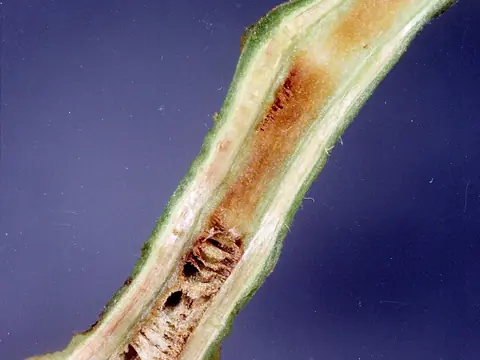
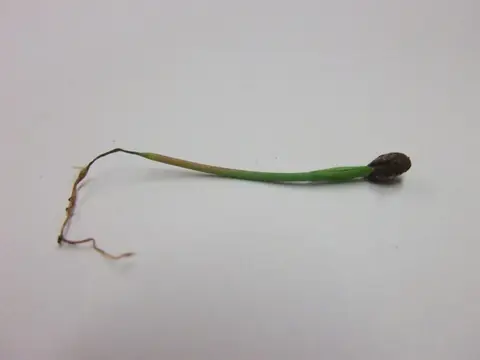
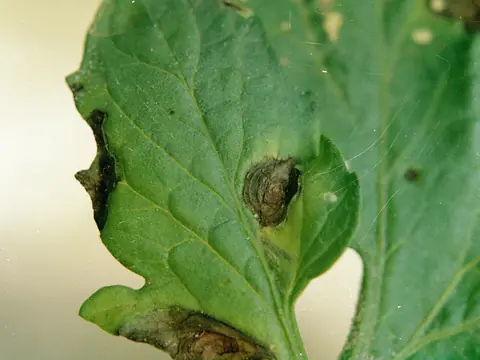
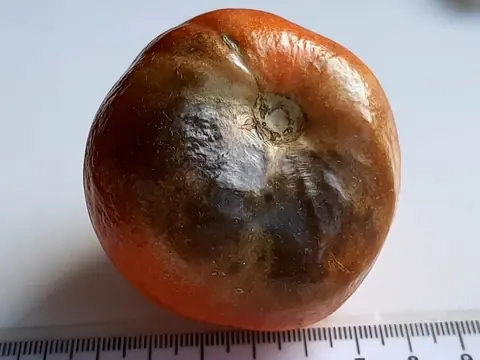
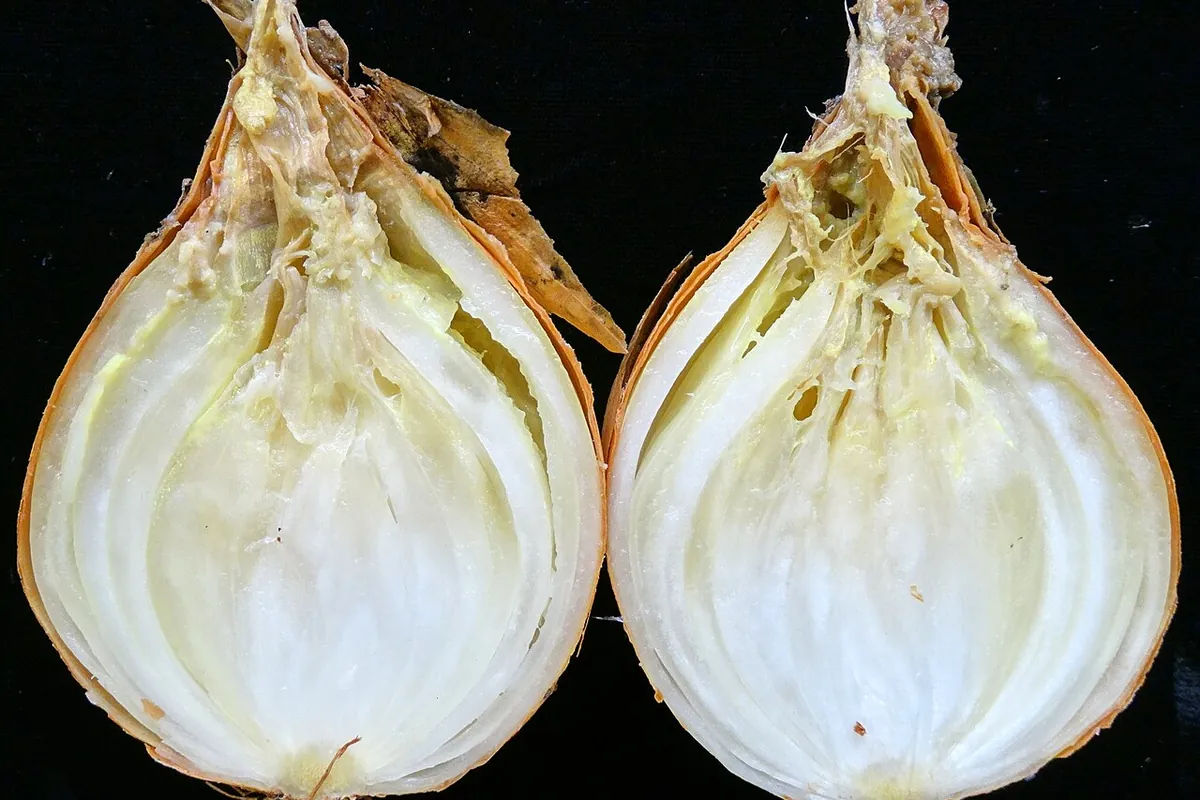
Start with a water soaked spot on an outer leaf, stem, head or fruit. It grows, sinks and turns soft. Inside, the tissue becomes mushy and cream colored to dark, and it often leaks fluid. The smell is strong and unpleasant, and that smell separates soft rot from dry rots. In lettuce and cabbage, the rot moves from the outer leaves toward the center until the stem collapses.
- Water soaked spots appear on outer leaves, stems, heads or fruit, then grow and sink.
- The inside of the tissue turns soft, mushy and cream colored to dark.
- Slimy fluid often leaks from the rotting part.
- A strong, unpleasant smell comes from the rot.
- The stem collapses and the plant falls over, or the head rots in storage.
Soft rot is often mistaken for black rot. Soft rot is wet, mushy and smelly, while black rot draws dry V shaped patches with black veins first.
How Bacterial Soft Rot Hurts Your Crop
Extension sources describe bacterial soft rot as one of the biggest causes of crop loss from bacterial disease in many countries. It attacks fleshy parts of plants such as fruit, stems, heads and bulbs. In the Philippines, the damage shows in the field and again after harvest, since a bruised head can rot on the truck. We did not find a sourced loss figure for Philippine vegetables, so we give none.
The weather matters. Wet soil, water on the leaves and warm days all help the bacteria. Good drainage is the cheapest protection you have. Our guide to growing vegetables in the Philippines covers raised beds and spacing.
How to Control Bacterial Soft Rot
- Plant on raised beds with good drainage, so water does not stand around the stems and roots.
- Give plants enough room, so the leaves dry quickly after rain or watering.
- Mulch the soil to reduce splash from the soil onto leaves and fruit.
- Use drip or furrow watering instead of overhead watering when you can.
- Control insects such as the diamondback moth and cutworms, and handle plants gently, since every wound lets the bacteria in.
- Pull out and destroy sick plants at once. Do not compost them, and clean knives and tools with bleach or alcohol between plants.
When a Spray Makes Sense
Sprays do not stop soft rot. The bacteria live in the soil and inside the plant, so the Pacific pest sheet calls pesticides generally ineffective, except where soil insects add to the problem. For that reason we list no active ingredient. Bacteriophages, which are viruses that attack bacteria, are being tested, but they are still in research.
Use only products registered with the Fertilizer and Pesticide Authority, and follow the label for the rate, the timing and the protective clothing. Switch to a different fungicide group next time, so the disease does not learn to survive it. Our guide to plant diseases explains how.
Keep It Out Next Season
- Plant on raised, well drained beds, and give plants room so the leaves dry fast after rain.
- Water by drip or furrow, not over the leaves, and mulch to stop soil splashing onto the plants.
- Keep diamondback moth, cutworms and other chewing pests down, and handle plants gently. Every wound lets the bacteria in.
- Harvest in dry weather, avoid bruising, and cure onion, potato and ginger before storing them cool, dry and airy.
- Pull and destroy sick plants at once, never compost them, and clean knives between plants with bleach or alcohol.
- Rotate with grains such as corn or rice, and do not overfeed with nitrogen, which makes soft, easily rotted tissue.
Not Sure What You Are Seeing?
Take a clear photo of the spots or the damage up close, then the whole plant, then ask Anee, the smart farm technician in anee.io, in Tagalog or English. Anee tells you what it most likely is and what to do at the age of your crop. You can also put your scouting days on the cropping calendar, so the team knows when to walk the field.
anee.io keeps your scouting, spraying and harvest on one calendar, and Anee answers when something looks wrong.
- Scouting days dated from each lot's own planting day
- Photos and notes for every lot
- Anee, the smart farm technician, in Tagalog or English
Questions Farmers Ask About Bacterial Soft Rot
Why does my cabbage head rot and smell?
Can I save a plant with soft rot?
Is there a spray for soft rot?
Stop the spread of Bacterial Soft Rot
With Libre + Anee, read the whole guide: how to tell it from look alikes, what makes it spread, and what to spray and when.
The account is free, no credit card.