Tomato Leaf Curl: How to Spot It and Protect Your Crop
Tomato leaf curl is a virus disease that rolls and puckers tomato leaves, stunts the plant and cuts the number of fruits. There is no cure, so you protect the crop by keeping whiteflies off the seedlings and starting with healthy plants.
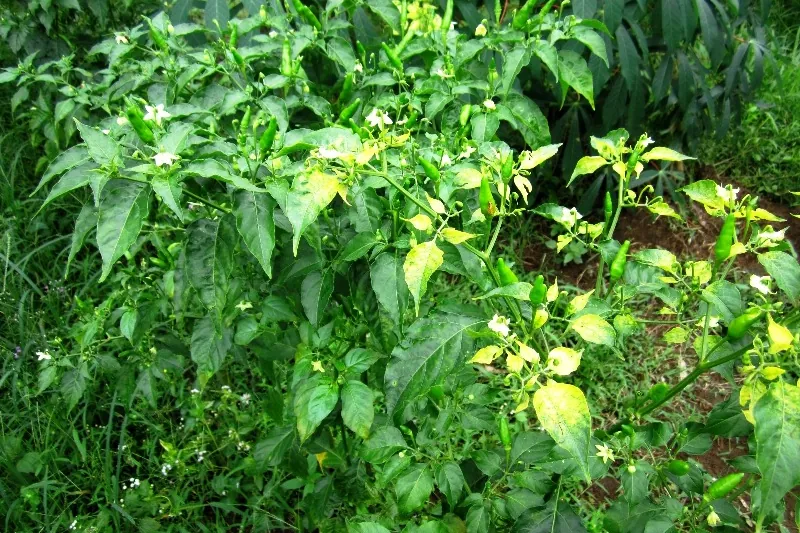
What Is Tomato Leaf Curl?
Tomato leaf curl is caused by viruses in the begomovirus group. The whitefly, Bemisia tabaci, carries them. It is the most destructive disease of tomato in the Philippines. Research in the country has found begomoviruses on tomato and squash alike.
The virus has no cure, and a sick plant stays sick. So the plan is to stop the first infection. Raise seedlings in a clean place, keep the whitefly down, and pull out infected plants early. Plants infected before flowering lose the most.
| Fact | Details |
|---|---|
| Name | Tomato leaf curl |
| Scientific name | Tomato leaf curl viruses (begomoviruses) |
| Kind | Virus (spread by insects) |
| Crops it attacks | Tomato (squash and other vegetables have their own begomoviruses) |
| Local names | None recorded |
| Where it strikes | Leaves and the whole plant |
| When it strikes | It can strike at any stage, but a plant infected young suffers most, so the seedbed and the first weeks decide the crop. |
| How it spreads | Whiteflies carry the virus from plant to plant as they feed. This is the main way it spreads, so a clean seedbed and few whiteflies protect the crop. Seed is also a possible route, so buy seed from a source you trust. |
How to Identify Tomato Leaf Curl
Look at the youngest leaves. The edges curl upward and inward. The leaflets are small, puckered and yellow between the veins, and the plant looks bushy and short. Older leaves can turn leathery, then yellow and brown. Plants infected young are severely stunted, with upright, bushy shoots. Look under the leaves for tiny white insects that fly up when you shake the plant.
- The leaf edges curl upward and inward, and the leaflets are small and puckered.
- Leaflets turn yellow between the veins.
- The plant is stunted and bushy, with short, upright shoots.
- Older leaves become leathery, then yellow, brown and dry.
- Few flowers set fruit, and the fruits that form are small.
Look for whiteflies and for the combination of curled, yellow leaflets and a short, bushy plant. Leaf curl from a virus comes with both, and the signs spread from plant to plant with the whitefly.
How Tomato Leaf Curl Hurts Your Crop
An Indian review of tomato yellow leaf curl virus says that plants infected early do not bear fruit and stay severely stunted, and that losses in India can reach 100 percent. Under high disease pressure the loss can reach 50 to 100 percent. These are worst cases from research summaries. Your own loss depends on the variety, the age of the plants and the whitefly pressure.
In the Philippines, a program in Ilocos named leaf curl as the most destructive tomato disease. Its work covers healthy seedling technology and a seaweed based product called carrageenan.
How to Control Tomato Leaf Curl
- Raise seedlings in a screened nursery or net house, so whiteflies cannot reach them. Healthy seedling technology is a core part of the Ilocos program.
- Check seedlings for whiteflies and curling before transplanting. Throw away any sick seedling, and never plant it.
- Scout the underside of the leaves for whiteflies every week, and keep field borders clear of weeds.
- Pull out the first sick plants as soon as you see them, and bag them at once before you carry them out. Then whiteflies cannot feed on them and spread the virus. After harvest, destroy the crop residue.
- Leave a gap of a few weeks with no tomato in the field, when you can. A tomato free period cuts the virus and the whiteflies before the next crop.
- Choose a tolerant or resistant variety where one is sold. An ICAR review calls resistant varieties the most practical answer, because whiteflies have grown resistant to many insecticides.
Why No Spray Cures It
No spray can cure the virus in a plant that has it. A spray can only target the whitefly. An Indian review says foliar systemic sprays every 2 to 3 weeks can hold the whitefly down, but ICAR authors warn that whiteflies have grown resistant to many insecticides, so rotate groups. It also says to avoid spraying weeds on field borders, because that kills the natural enemies of the whitefly. We found no whitefly active ingredient that a Philippine authority names for tomato, so we list none. Ask your local agriculture office what is registered with the FPA.
What the Labels Name for the Whitefly
| Active ingredient | IRAC group | On Philippine labels |
|---|---|---|
| Cyantraniliprole | IRAC 28 | A first choice. 2 registered products name it on tomato. |
| Abamectin plus spiromesifen | IRAC 6 plus 23 | A first choice. Registered products name it on tomato, chili and bell pepper. |
| Dinotefuran | IRAC 4A | A sound second choice. 10 registered products name it on tomato. |
| Acetamiprid plus bifenthrin | IRAC 4A plus 3A | Older or broad chemistry: a last resort. 1 registered product names it on tomato. |
| Lambda cyhalothrin plus thiamethoxam | IRAC 3A plus 4A | Older or broad chemistry: a last resort. 1 registered product names it on tomato. |
Use only products registered with the Fertilizer and Pesticide Authority, and follow the label for the rate, the timing and the protective clothing. Switch to a different fungicide group next time, so the disease does not learn to survive it. Our guide to plant diseases explains how.
Keep It Out Next Season
- Raise seedlings under fine insect net, and plant only seedlings free of whiteflies and curled leaves.
- Plant a tolerant or resistant tomato variety where one is sold. It is the surest protection in whitefly seasons.
- Pull the first curled plants early, bag them before carrying them out, and destroy the crop residue after harvest.
- Leave a few weeks with no tomato or pepper in the area between crops, and do not plant beside an older infected field.
- Keep borders free of weeds that host whitefly, and use yellow sticky traps and silver reflective mulch to keep whiteflies off.
- Plant a few rows of corn or sorghum around the field as a barrier against whiteflies blowing in.
Natural Enemies and Biological Help
- Small parasitic wasps, lacewings and ladybirds feed on whiteflies. Do not spray borders and weeds with broad insecticides.
- Beauveria or Metarhizium sprays on the leaf underside lower whitefly numbers. They do not stop the virus in a plant already sick.
Not Sure What You Are Seeing?
Take a clear photo of the spots or the damage up close, then the whole plant, then ask Anee, the smart farm technician in anee.io, in Tagalog or English. Anee tells you what it most likely is and what to do at the age of your crop. You can also put your scouting days on the cropping calendar, so the team knows when to walk the field.
anee.io keeps your scouting, spraying and harvest on one calendar, and Anee answers when something looks wrong.
- Scouting days dated from each lot's own planting day
- Photos and notes for every lot
- Anee, the smart farm technician, in Tagalog or English
Questions Farmers Ask About Tomato Leaf Curl
Is there a cure for tomato leaf curl?
How does the virus spread?
Which plants get infected most?
Stop the spread of Tomato Leaf Curl
With Libre + Anee, read the whole guide: how to tell it from look alikes, what makes it spread, and what to spray and when.
The account is free, no credit card.