Paano Magtanim ng Sampalok: How to Plant Tamarind the Traditional Way
Paano magtanim ng sampalok? Here is how traditional Filipino farmers usually plant sampalok (tamarind), step by step from getting the field ready to the harvest, with the day of each step and what to change for a higher yield.
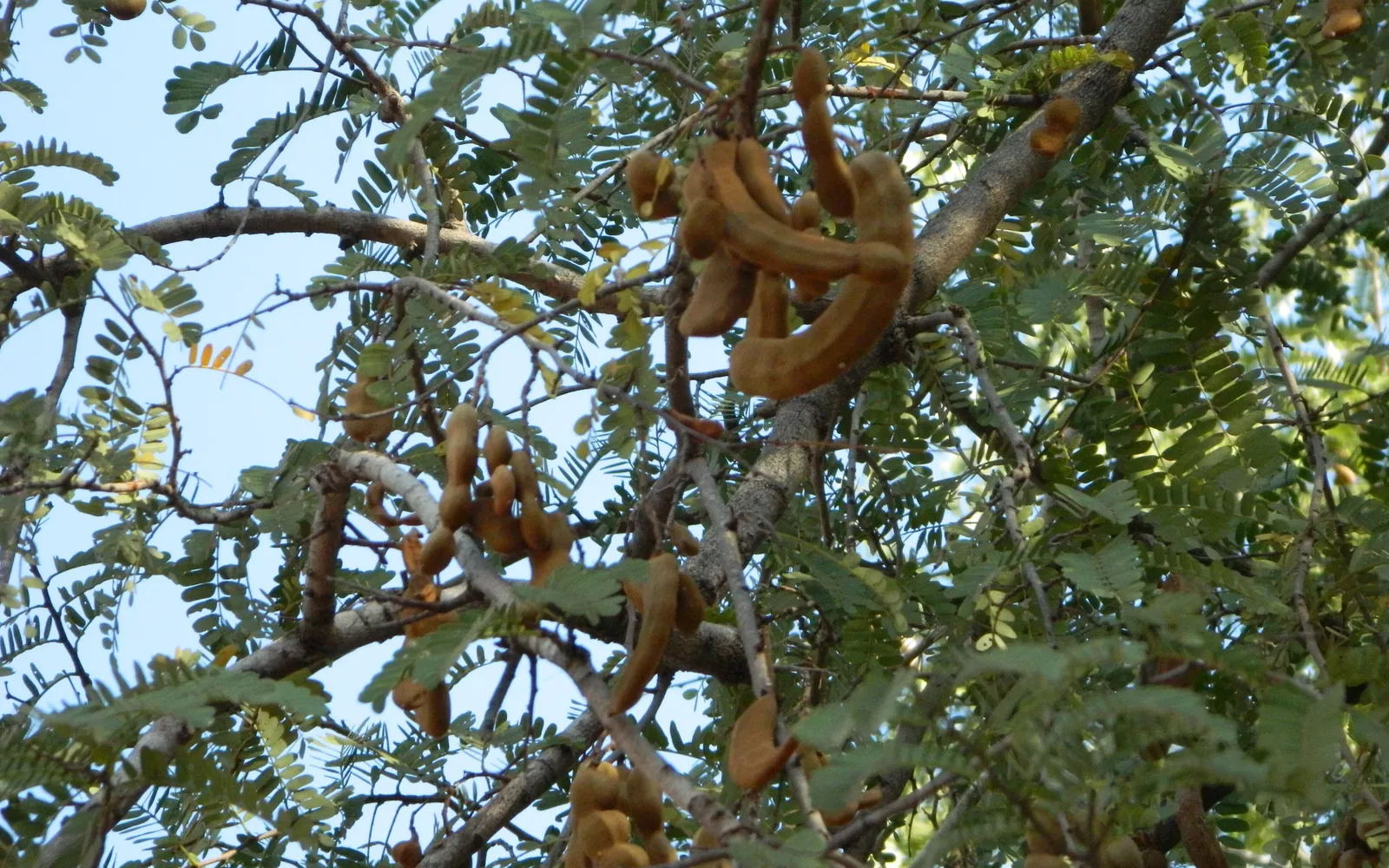
This guide shows how traditional farmers usually plant sampalok. Use it as a starting point. For a higher yield, update it: plant certified seed or clean planting material, test your soil, and follow the right spacing and fertilizer.
How Filipino growers plant sampalok, the sour kind for sinigang and candy and the sweet kind eaten fresh, either from seed the old way or from grafted seedlings that bear much sooner. It is a tough, long lived tree for dry corners, field edges, dikes and backyards.
Before you plant, get the field ready with our land preparation guide for fruit and plantation trees. Then choose your seed or planting material with the sampalok nutrient deficiency guide. For more on the crop, read pagtatanim ng puno.
When to plant sampalok
Trees are planted as the rains begin, about May to June. Grafting and budding are done in the cool dry months, about November to January. Trees flower in the rainy months. Green pods for cooking are picked as they fill, and the ripe brown pods come mostly in the dry months early in the year.
What you plant
Most old trees grew from seed, but seedlings do not come true: the fruit may be sour or sweet, small or big, and the tree takes many years to bear. Seeds from big, well filled pods are washed and soaked in water overnight before sowing. For sweet tamarind or a known sour type, farmers buy cleft grafted or budded seedlings from a nursery.
Paano magtanim ng sampalok: grafted seedlings
This is the grafted seedlings way (Grafted seedlings (punla na grafted)). Grafted trees usually start bearing in three to four years, some as early as two. We count the first harvest at 48 months (1,440 days). The crop is ready about 4 years after planting.
Grafted seedlings: before planting (Bago magtanim)
30 days before planting: Dig the holes far apart
Pick a sunny spot where water drains, and dig holes about 50 cm wide and deep about 8 to 10 m apart. Mix the topsoil with rotted manure or compost and fill it back.
Grafted seedlings: the nursery (Punlaan)
12 months before planting: Cleft graft your own seedlings
Seedling tamarind does not come true, so growers who want a known sweet or sour type graft a shoot of that tree onto their own tamarind seedlings. Cleft grafting and budding are both used here.
- Raise the rootstockSoak seeds of any healthy tamarind overnight and sow them in bags. They come up in about two weeks. Grow them on until the stem is about as thick as the shoots you will graft.
- Graft in the cool, dry monthsGrafts take best from about November to January, when the weather is cool and dry.
- Cut scions from the tree you wantEarly in the morning, cut healthy shoot tips from the sweet or sour tree you want to copy. Strip their leaves without hurting the buds and keep them shaded and moist until grafting, the same day.
- Split, fit and tieCut off the seedling top where the stem is still growing, split it down the middle about 2 to 3 cm, and push in the scion cut to a short wedge so the bark lines up. Bind the joint and the scion with a strip of thin plastic and cover the top with a small plastic bag.
- Care for the new graftRub off shoots that grow below the joint. When new leaves come from the scion, remove the bag and unwind the plastic, and move the plant to a bigger bag if needed. Plant it out at the start of the rains, about May to June.
Grafted seedlings: planting day (Pagtatanim)
Planting day: Plant at the start of the rains
On a cloudy day, water the bag, cut it off, and set the seedling at the same depth it grew with the graft joint above the soil. Firm the soil, water, and tie the plant to a stake.
Grafted seedlings: care while it grows (Pag aalaga)
Day 3: Mulch the base
Spread dry grass or leaves around the seedling, not against the stem, to keep the soil damp.
Day 30: First feed
A month after planting, scatter about 100 to 200 g of ammonium sulfate (21 0 0) in a ring away from the stem, and give the same again as the rains end. Manure or compost works too.
Month 2: Remove shoots below the graft
Rub off any shoot that grows from the rootstock below the graft joint, and weed a ring under the tree every month or two.
Month 5: Water through the first dry season
Water once or twice a week when the rains stop, until the young tree has passed its first dry season. Older trees need no watering.
Month 12: Shape a low, open tree
Cut the tip to make it branch and keep three or four well spaced main branches. Remove low, crossing and crowded branches so light gets in and the pods are easy to reach.
Month 40: Watch the pods for borers
Once the tree flowers and sets pods, look for holes and frass on the pods from borers and weevils, and pick up and bury fallen damaged pods.
Grafted seedlings: harvest (Anihan)
Year 4: Pick the pods
Grafted trees bear at about three to four years. Pick green, firm pods for sinigang as they fill. For ripe sampalok, wait until the shell turns brown, brittle and loose and the pulp turns sticky and brown, then clip the bunches so the pods do not crack. Tip: Sweet types are also picked half ripe, when the skin peels easily and the pulp is still crisp.
Month 49: Dry and store the ripe pods
Spread ripe pods in the sun on mats for a few days, then keep them in clean sacks or jars in a dry place. Pulp for candy is peeled and seeded by hand.
- Sun dry the podsSpread the ripe brown pods on mats in the sun for a few days, turning them, and bring them in at night or when rain comes.
- Shell them by handCrack and peel off the brittle shell, then pull away the tough strings that run along the pulp.
- Take out the seeds for candyFor sweets and paste, open the pulp and pick out the hard seeds by hand. Keep the best seed for sowing if you want more trees.
- Pack it cleanPack the cleaned pulp in clean plastic containers or jars and keep it in a cool, dry place. Ripe pulp sells by weight.
Month 50: Prune and feed after harvest
After the ripe pods are in, cut out dead, crowded and crossing branches, and give manure plus about 500 g of ammonium sulfate or complete fertilizer twice a year, more as the tree grows.
From seed, step by step
This is the from seed way (From seed (punla mula sa buto)). Seedling trees stay young and fruitless for five years or longer. We count the first harvest at 72 months (2,160 days). The crop is ready about 6 years after planting.
From seed: before planting (Bago magtanim)
30 days before planting: Dig the holes
Dig holes about 50 cm wide and deep in a sunny, well drained place, far from houses, and mix the topsoil with manure.
From seed: the nursery (Punlaan)
8 months before planting: Soak and sow the seeds
Wash the seeds of big, well filled pods and soak them in water overnight. Sow them about 2 cm deep in bags of garden soil and compost and keep them moist. They come up in one to two weeks.
7 months before planting: Keep one strong seedling
Leave the strongest seedling in each bag and keep the bags weeded and watered.
From seed: planting day (Pagtatanim)
Planting day: Plant at the start of the rains
Set out seedlings that have grown in the bag for up to a year, at the same depth. Firm the soil, water and mulch.
From seed: care while it grows (Pag aalaga)
Day 30: Feed and weed
Give a small amount of ammonium sulfate (21 0 0) or manure a month after planting and at the end of the rains, and keep a clean ring under the tree.
Month 12: Shape the young tree
Cut the tip to make it branch and keep three or four main branches.
From seed: harvest (Anihan)
Year 6: Pick the first pods
Seedling trees bear from about five years, often later. Taste the first pods. A tree with poor fruit can be top worked with grafts of a good sweet or sour type.
Watering sampalok, stage by stage
Sampalok here is rain fed: young trees get a pail of water once or twice a week in their first dry season, and after that the tree is never watered. It stands long droughts on its deep, wide roots and bears with no watering at all. A pail or hose into a ring basin for young trees in their first dry season. Grown trees get rain only. Water in the cool early morning or late afternoon.
Seedlings in the nursery bags, which must not dry out. The first dry season after planting, the only time a tamarind tree needs carried water.
| Stage | When | How often | How much |
|---|---|---|---|
| Seedlings in bags, for trees raised at home | 8 months before planting to planting day | Every day or two, keeping the bags moist | Enough to wet each bag through |
| Planting to 3 months | Planting day to month 3 | Water at planting, then only in a dry week | A good soak of the mulched ring around the stem |
| First dry season | Month 3 to 12 | Once or twice a week once the rains stop, until the dry season ends | A deep soak of the mulched ring |
| Years 2 and 3, before bearing | Month 12 to 40 | No watering needed. Trees from seed stay at this stage until about year 5 or later | None |
| Flowering and pod set (in the rainy months) | Month 40 to 42 | Rain does the work. No watering | None |
| Pod filling | Month 42 to 46 | No watering in a normal year | None |
| Ripening and harvest (in the dry months) | Month 46 to 49 | Never water ripening pods | None |
Without irrigation. Plant in May or June as the rains begin, in a sunny, well drained spot, and keep a mulch of dry grass on the ring through the first dry season. After that tamarind needs no watering: it does well both where rain is spread through the year and in places with a long, harsh dry season, thanks to its deep, wide roots.
In the dry season. First dry season: once or twice a week, a deep soak of the mulched ring. Older trees: none. Water a young tree when its leaves droop in the afternoon and stay limp by evening, or when it drops leaves early.
In the rainy season. Tamarind needs soil that drains and does not like long wet spells. In very wet places it grows leaves but hardly flowers, and rain at the end of pod ripening spoils the pods, so pick ripe pods promptly and dry them on mats under cover.
- Too little water: On a young tree, leaves droop in the afternoon, turn yellow and fall early, and new shoots stop.
- Too much water: Yellow leaves and slow growth on soggy ground, and ripe pods that crack or mold in rainy weather.
To water better for a higher yield: Water young trees faithfully once or twice a week through their first dry season and keep them weeded. With enough water a young tree reaches about 120 cm by its second year. Never water a bearing tree while its pods ripen. Dry weather then gives the best pulp.
Spacing, water and fertilizer for sampalok
Spacing
Grafted trees about 8 to 10 m apart each way, about 100 to 150 trees a hectare. Seedling trees grow bigger and are planted farther apart, or alone along dikes, roads and boundaries. One seedling a hole.
Water
Rain fed. Young trees are watered once or twice a week in their first dry season. After that sampalok stands long droughts and bears with no watering at all.
Fertilizer
Rotted manure and compost at planting. Farmers who buy fertilizer give about 100 to 200 g of ammonium sulfate (21 0 0) a tree a month after planting and again at the end of the rains, then about 500 g twice a year once bearing, up to 2 kg a year on a big tree. Many trees get nothing and still bear. To read what a bag really gives, see our guide to fertilizer for this crop.
Care and harvest
Care while it grows
Ring weeding and mulch while young, watering only in the first dry season, shaping the tree to three or four main branches, removing rootstock shoots on grafted trees, and pruning after the harvest. Fallen, bored pods are gathered and buried.
When and how to harvest
Green pods are picked for sinigang as soon as they fill. Ripe pods are picked when the shell is brown, brittle and loose and the pulp sticky. Sweet types are also sold half ripe. Bunches are clipped, not shaken down, so the pods do not crack, then sun dried on mats and kept dry in sacks or jars.
Common mistakes when planting sampalok
- Planting seed from unknown pods and waiting many years for small or poor fruit.
- Planting too close to houses, wells or other trees.
- Shaking or beating the branches to drop pods, which cracks them and breaks the twigs.
- Storing ripe pods damp, so they mold and draw weevils.
- Never pruning, so the tree grows tall and dense and bears less.
How to get a higher yield of sampalok
The traditional way gets a crop, but small changes add up. These are the first things to change, one season at a time.
- Plant grafted or budded seedlings of a known sweet or sour type for fruit in three to four years.
- Top work old poor trees with grafts of a good type.
- Prune after harvest to open the tree. Experienced growers also girdle branches before flowering, but learn it from them first.
- Test the soil and feed by the result, twice a year.
- Scout for pod borers and weevils, clean up fallen pods, and use integrated pest management.
anee.io helps with each of these. The NPK Plus calculator checks that your fertilizer plan feeds the yield you want, the pest and disease finders tell you what is on the leaves before you spray, and Anee, the smart farm technician answers your questions in Tagalog or English.
Members open this guide in the How to Plant tool and send every step to the Protocol Builder in one tap, each on its own day. There you can change the seed, the spacing and the fertilizer, then turn it into a cropping calendar for your lots.
Start from the traditional way, make it better, and let anee.io date every task from your own planting day. Free to start.
Start freeQuestions about planting sampalok
Paano magtanim ng sampalok?
When do farmers plant sampalok in the Philippines?
How far apart do you plant sampalok?
How long before sampalok can be harvested?
How often do you water sampalok?
What do you plant to grow sampalok?
See every step of planting it the traditional way
Register for free to read every step with its day, the spacing, water and fertilizer, the common mistakes and what to change for a higher yield. Then send it to your Protocol Builder in one tap.
Free to register. No credit card. Works on any phone.