Paano Magtanim ng Papaya: How to Plant Papaya the Traditional Way
Paano magtanim ng papaya? Here is how traditional Filipino farmers usually plant papaya, step by step from getting the field ready to the harvest, with the day of each step and what to change for a higher yield.
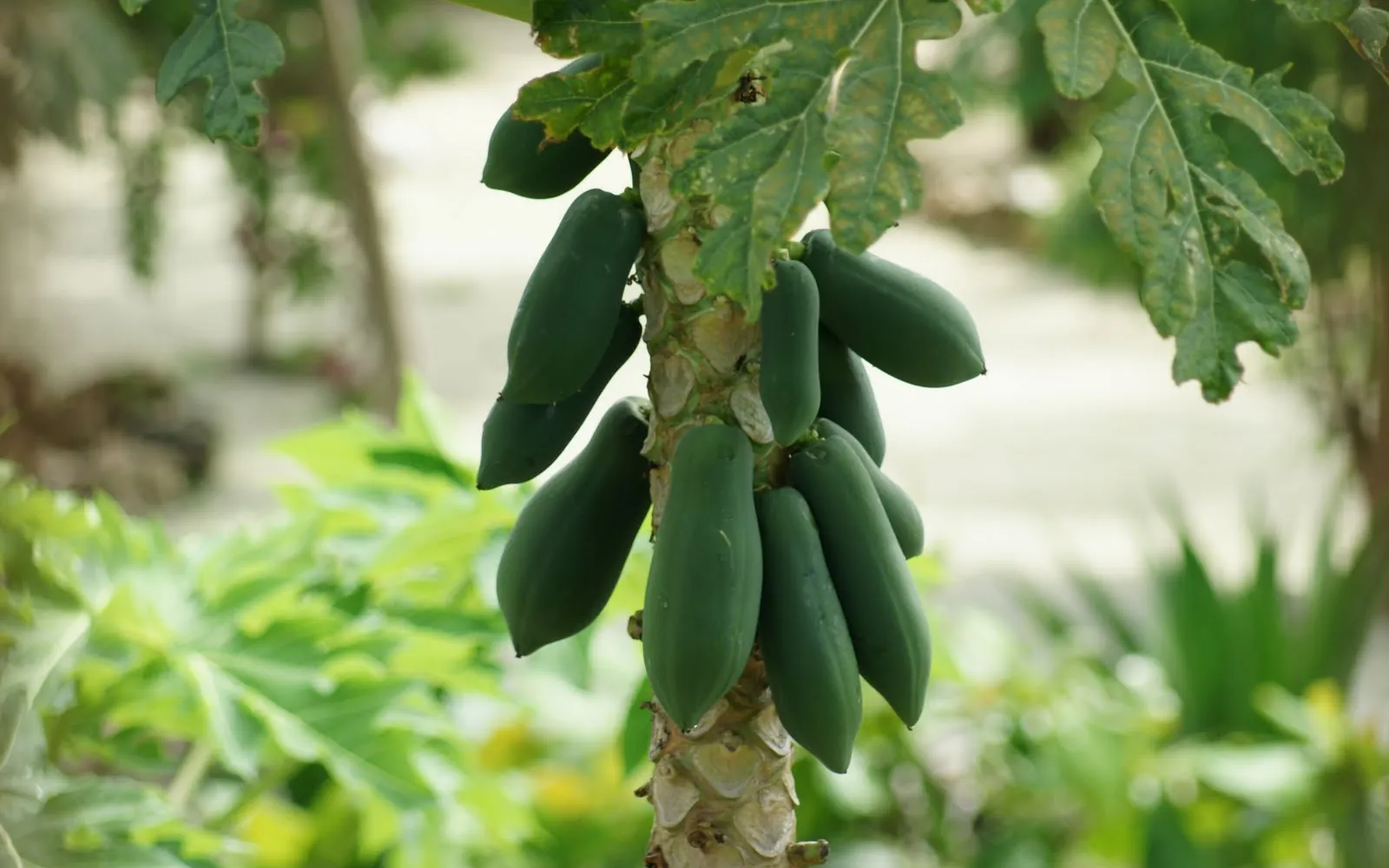
This guide shows how traditional farmers usually plant papaya. Use it as a starting point. For a higher yield, update it: plant certified seed or clean planting material, test your soil, and follow the right spacing and fertilizer.
This guide shows how Filipino farmers usually grow papaya from seed in bags, plant it out and care for it until the first ripe fruits, for backyards and small farms. It covers native types as well as Red Lady and other hybrids grown here.
Before you plant, get the field ready with our land preparation guide for fruit and plantation trees. Then choose your seed or planting material with the papaya nutrient deficiency guide. For more on the crop, read pagtatanim ng puno.
When to plant papaya
Many farmers sow seed near the end of the dry season and plant out at the start of the rains, around May to June, so the young plants get steady water. With water on hand papaya can be planted in any month, but planting just before the typhoon months risks broken plants.
What you plant
Seed from a ripe, well shaped fruit of a good bearing tree, washed of its jelly coat and dried in the shade, or bought hybrid seed such as Red Lady. Farmers sow 3 to 4 seeds a bag in loose soil, keep two seedlings a bag and plant out when the seedlings are about 15 cm tall or around 2 months old.
Paano magtanim ng papaya, step by step
Papaya flowers about 3 to 4 months after planting out and the first fruits ripen 4 to 5 months later. The seedling stage before that is about 2 months. The crop is ready about 8 months after planting.
Before planting (Bago magtanim)
14 days before planting: Clear the field and dig the holes
Clear the weeds, loosen the soil and mark the spots about 2.5 m apart each way. Dig holes about 45 cm wide and 45 cm deep, and mix compost or dried manure into the soil that goes back in.
The nursery (Punlaan)
2 months before planting: Sow the seeds in bags
Fill small plastic bags with loose garden soil mixed with compost or rice hull. Sow 3 to 4 seeds a bag about 1 cm deep, water every day and keep the bags in light shade. Tip: Seeds come up in about 15 to 20 days. Old or poorly dried seed comes up slowly.
40 days before planting: Thin to two seedlings a bag
When the seedlings have a few true leaves, cut off the weakest so two are left in each bag. Keep watering every day and move the bags into fuller sun a week before planting out.
Planting day (Pagtatanim)
Planting day: Plant out the seedlings
Cut the bag away without breaking the soil and set the seedlings in the hole at the same depth they grew. Press the soil, water well and make a small mound so rain does not pool around the stem. Tip: Papaya dies fast in standing water, so plant on a raised spot or a ridge in wet ground.
Care while it grows (Pag aalaga)
Day 1: Water until the plants take hold
Water the new plants every day for the first week or two, then about once a week in dry weather. Mulch with dried grass to keep the soil moist.
Day 30: First side dressing
About a month after planting out, scatter a handful of complete fertilizer (14 14 14) in a ring around each plant and cover it with soil. Many farmers repeat every month or two, adding urea and potash once the plants flower.
Day 30: Weed by hand around the plants
Pull or hoe the weeds carefully, since papaya roots stay near the surface. Keep the base clean and mulched.
Month 2: Watch for ringspot and mites
Look at the leaves often for yellow mottling, narrow leaves or ring spots on the fruit, and pull out and bury sick plants at once. Check the underside of old leaves for tiny red mites and cut off badly hit leaves. Tip: Do not plant squash, cucumber or watermelon next to papaya, since they share the ringspot virus.
Month 3: Keep the best plant in each hole
When the flowers show, about 3 to 4 months after planting out, keep the strongest plant with bisexual or female flowers and cut the others. With native papaya, cut out most of the male trees, the ones with long hanging flower stalks.
Month 4: Feed the flowering plants
Once flowering starts, give each plant complete fertilizer with potash every month or two so the fruits fill well. Water weekly in dry spells and earth up the base in the rainy season for drainage.
Harvest (Anihan)
Month 8: Pick the first fruits
Pick green fruits for cooking, and for eating pick when yellow streaks show at the tip and the sap is no longer milky. Twist the fruit off by hand or with a pole and keep it from dropping.
Watering papaya, stage by stage
Seedlings in bags are watered every day, and after planting out farmers water daily for a week or two, then about once a week in dry weather by hose or watering can. In the rains the work turns to drainage: the base is mounded or the rows ridged, because standing water kills papaya fast. A hose or watering can into a small basin on top of the mound in backyards, furrows between ridged rows on flat farms, and drip lines on commercial farms. Water in the early morning, at the base and not over the leaves.
The first two weeks after planting out. Flowering, from about 3 to 4 months after planting out, when dry soil drops the flowers. Fruit set and fruit filling through all the bearing years, since drought drops young fruits and gives small, less sweet ones.
| Stage | When | How often | How much |
|---|---|---|---|
| Seedlings in bags | 2 months before planting to planting day | Every morning, with a fine sprinkle from a rose can | Enough to wet each bag through, with water running out the bottom |
| Planting out to taking hold | Planting day to day 14 | Every day for the first week or two | A good soak of each hill, without leaving a puddle at the stem |
| Young plants | Day 14 to month 3 | About once a week in dry weather, every 4 to 5 days in the hottest months or on sandy soil | One to two watering cans a plant each time |
| Flowering | Month 3 to 5 | Every 4 to 5 days in hot dry weather, about once a week in cooler weeks. Never let the soil dry out | About 10 liters a plant a day on drip. By hand, 3 to 4 watering cans a plant every 4 days |
| Fruit set to first harvest | Month 5 to 8 | Every 4 to 5 days in the dry months, every 7 to 10 days in cool or cloudy weeks | About 10 to 15 liters a plant a day in hot weather. By hand, 4 to 5 watering cans every 4 days |
| Bearing plants, flowering and fruiting together | Month 8 to 36 | Keep the same rhythm all year: every 4 to 5 days in the dry months, every 7 to 10 days in cooler weeks, none in steady rain | About 10 to 15 liters a plant a day in hot weather, more for big plants in very dry places |
Without irrigation. Sow near the end of the dry season and plant out as the rains begin, so the plants flower in the wet months and fill fruit while the soil is still moist. Mound each plant, mulch with dried grass, and keep the weeds off. Without water in a long dry season papaya drops its flowers and fruits, so a rain fed grower plants where the dry months are short or keeps a drum or a well for the worst weeks.
In the dry season. Every 4 to 5 days in the hottest months and every 7 to 10 days in cooler weeks. Water when the soil a finger deep is dry, when the leaves hang down at midday, or when the older leaves yellow and fall early.
In the rainy season. Papaya cannot stand wet feet: even a short flood can kill it. Plant on mounds or ridged rows, dig drains so rain leaves the field within hours, and never let water pool at the stem, which brings rot at the base. Avoid planting out just before the typhoon months.
- Too little water: Leaves hang down at midday, older leaves yellow and fall early, flowers and small fruits drop, and fruits stay small and less sweet.
- Too much water: Leaves yellow and wilt even though the soil is wet, the stem base turns soft and dark with a bad smell, and the plant may fall over.
To water better for a higher yield: Drip with about 10 liters a plant a day in the dry months, with fertilizer fed through the same line, gives steady flowering and bigger, sweeter fruits. Ridge the rows or mound each plant before the rains, so watering in the dry months and drainage in the wet months both work.
Spacing, water and fertilizer for papaya
Spacing
About 2.5 m between plants and between rows. Holes about 45 cm wide and deep. Two seedlings planted a hole, later cut back to the single best plant.
Water
Seedlings in bags are watered every day. After planting out, daily watering until the plants take hold, then about weekly in dry months. In the rainy season the base is mounded or the rows ridged so water drains away, since standing water kills papaya quickly.
Fertilizer
Compost or dried manure mixed into the hole. A handful of complete fertilizer (14 14 14) about a month after planting out, then every month or two. Once the plants flower, many farmers add urea (46 0 0) and muriate of potash (0 0 60) or keep giving complete fertilizer so the fruits fill. Seedlings in bags sometimes get a pinch of urea every two weeks. To read what a bag really gives, see our guide to fertilizer for this crop.
Care and harvest
Care while it grows
Hand weeding and mulching, careful not to cut the shallow roots. Cutting extra plants and most male trees once the flowers show. Taking off old yellow leaves. Pulling and burying plants with ringspot. Mounding the base in the rainy season, and in windy places some farmers bend or prop young plants against typhoons.
When and how to harvest
Flowers come about 3 to 4 months after planting out and fruit is ready 4 to 5 months later. Green fruit is picked for cooking. For eating, fruit is picked when yellow first shows at the tip and the sap turns clear, then ripened in the shade. Fruits are handled gently and never allowed to fall. A papaya stand bears well until about its third or fourth year.
Common mistakes when planting papaya
- Planting in low, wet ground where the roots rot after heavy rain.
- Saving seed from a sick or poor tree, which passes on weak plants.
- Planting next to squash, cucumber or watermelon, which spreads ringspot.
- Leaving every seedling in the hole and every male tree standing.
- Hoeing deep near the trunk and cutting the shallow roots.
- Leaving sick plants in the field, so the virus spreads to the rest.
How to get a higher yield of papaya
The traditional way gets a crop, but small changes add up. These are the first things to change, one season at a time.
- Use clean seed of a tolerant variety from a trusted seed company or a healthy mother tree.
- Test the soil and feed by the result, with enough potash and lime where soil is sour.
- Plant on ridges or mounds with drainage canals for the rainy season.
- Scout every week for ringspot, mites and mealybugs and remove sick plants at once.
- Water regularly in dry months and mulch for steady fruiting.
- Plant a new block every year or two, since old stands lose vigor and catch disease.
anee.io helps with each of these. The NPK Plus calculator checks that your fertilizer plan feeds the yield you want, the pest and disease finders tell you what is on the leaves before you spray, and Anee, the smart farm technician answers your questions in Tagalog or English.
Members open this guide in the How to Plant tool and send every step to the Protocol Builder in one tap, each on its own day. There you can change the seed, the spacing and the fertilizer, then turn it into a cropping calendar for your lots.
Start from the traditional way, make it better, and let anee.io date every task from your own planting day. Free to start.
Start freeQuestions about planting papaya
Paano magtanim ng papaya?
When do farmers plant papaya in the Philippines?
How far apart do you plant papaya?
How long before papaya can be harvested?
How often do you water papaya?
What do you plant to grow papaya?
See every step of planting it the traditional way
Register for free to read every step with its day, the spacing, water and fertilizer, the common mistakes and what to change for a higher yield. Then send it to your Protocol Builder in one tap.
Free to register. No credit card. Works on any phone.