Paano Magtanim ng Avocado: How to Plant Avocado the Traditional Way
Paano magtanim ng avocado? Here is how traditional Filipino farmers usually plant abukado (avocado), step by step from getting the field ready to the harvest, with the day of each step and what to change for a higher yield.
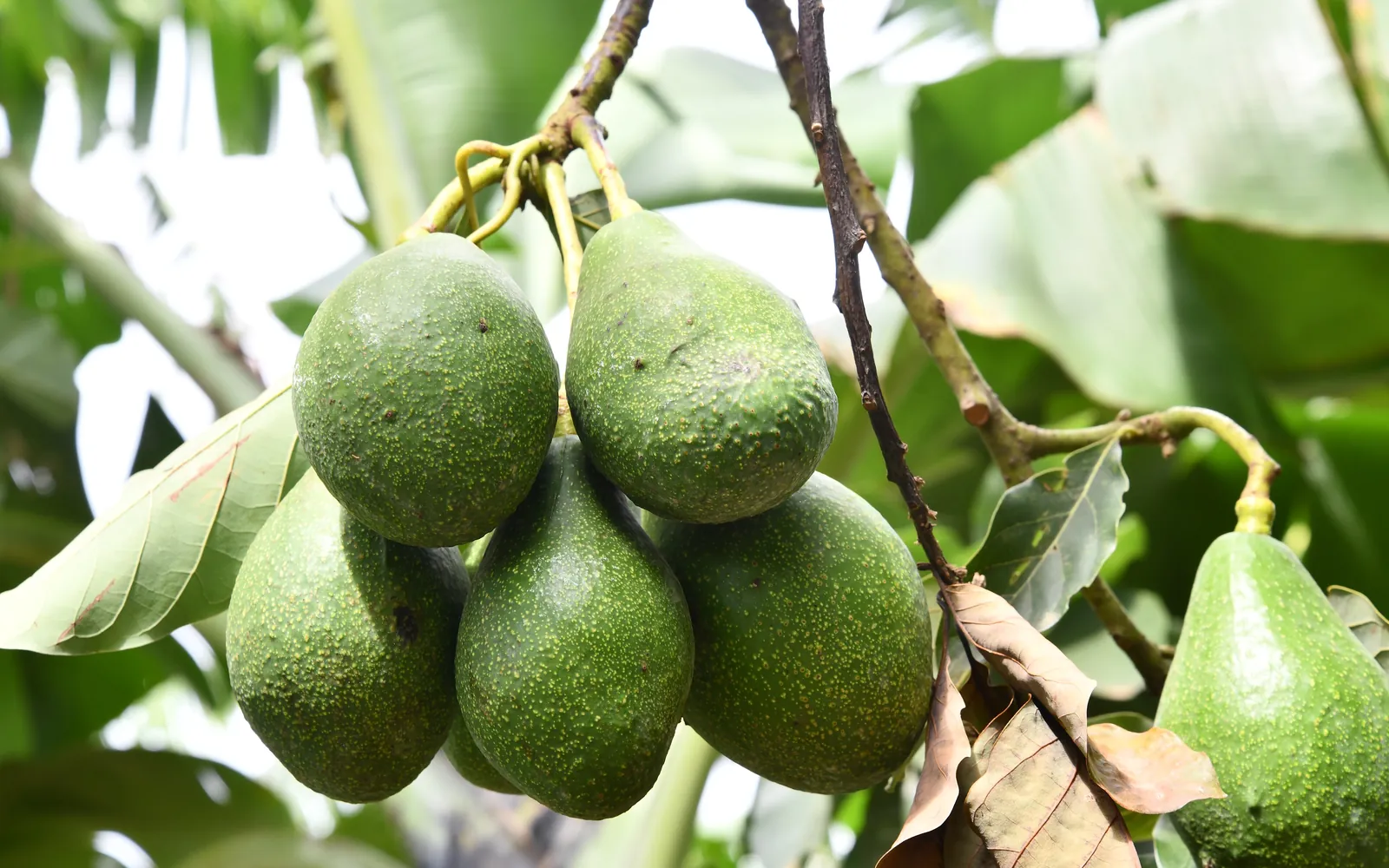
This guide shows how traditional farmers usually plant abukado. Use it as a starting point. For a higher yield, update it: plant certified seed or clean planting material, test your soil, and follow the right spacing and fertilizer.
This guide shows how Filipino growers usually raise avocado from the seed of a good fruit, plant it out and care for it until the first fruits, with notes on grafted seedlings. It is for backyards and small orchards.
Before you plant, get the field ready with our land preparation guide for fruit and plantation trees. Then choose your seed or planting material with the abukado varieties sold here. If the leaves turn pale later on, the abukado nutrient deficiency guide helps you find what is missing. For more on the crop, read pagtatanim ng puno.
When to plant abukado
Planting can be done in any month, but the best time is the start of the rainy season, around May to July. Trees planted in the dry season need watering and some shade. The fruiting season here runs about April to September.
What you plant
In the old way, growers sow a big, fresh seed from a tasty fruit of a healthy, heavy bearing tree, pointed end up with about a quarter of the seed above the soil. It sprouts in about 2 to 3 weeks. Trees from seed do not come true and take about 4 to 5 years to bear. Grafted seedlings of a named variety on a seedling rootstock come true and bear much earlier, and most orchard growers now use them.
Paano magtanim ng avocado, step by step
A tree from seed bears at about 4 to 5 years. A grafted tree bears earlier. The nursery step is counted back from the planting day. The crop is ready about 4 years after planting.
Before planting (Bago magtanim)
30 days before planting: Clear the land and mark the spots
Clear and loosen the ground, and mark the planting spots about 9 m apart each way. Choose a spot that drains well, since avocado roots rot in wet soil.
7 days before planting: Dig the holes
Dig each hole wide and deep enough to hold the whole soil ball of the seedling with room to spare. Mix the topsoil with compost or dried manure for filling back.
The nursery (Punlaan)
4 months before planting: Sow the seed in a bag
Wash a big, fresh seed and sow it in a bag of loose soil with the pointed end up and about a quarter of it showing. Keep the bag in light shade and water it so the soil stays moist. It sprouts in about 2 to 3 weeks.
Planting day (Pagtatanim)
Planting day: Plant the seedling
Plant when the seedling is about 50 cm tall. Remove the bag gently, set the plant at the same depth it grew, keep any graft union above the soil and press the soil firmly around the base.
Care while it grows (Pag aalaga)
Day 1: Shade and water
Give the young tree some shade if the sun is hot, and water it regularly in dry months. In the first 2 or 3 years, water about every two weeks during the dry season.
Day 30: First fertilizer
One month after planting, spread about 100 to 200 g of ammonium sulfate (21 0 0), or about 50 to 100 g of urea (46 0 0), around the tree and mix it into the soil. Repeat every six months, a little more each time. Use less if you add manure or compost.
Day 45: Weed and plant crops between
Keep the circle around the young tree free of weeds. Banana, papaya, pineapple, corn or vegetables can grow in the space between trees while they are small.
Month 4: Check for borers and leaf eaters
Look at the trunk for borer holes and at the leaves for caterpillars and sucking bugs. Dig out borer larvae from the wounds and remove dead or rotting branches.
Month 7: Second fertilizer
Six months after the first feeding, give the same or a little more ammonium sulfate or urea. Keep feeding twice a year as the tree grows.
Month 12: Light pruning only
Remove only dead, broken or sick branches. On varieties that shoot straight up, cut the top lightly so the tree spreads sideways.
Harvest (Anihan)
Year 4: First fruits
Pick when green types turn lighter green or purple types show reddish streaks, and the fruit sounds hollow when tapped. Use a picking pole with a hook and net so the fruit does not fall, then let it soften in the shade.
Watering abukado, stage by stage
Avocado here is mostly rain fed: young trees get a pail or a hose about every two weeks in the dry months of their first two or three years, and grown trees are left to the rain. Water matters most where the dry season runs longer than four to five months, because avocado flowers in the dry months. A pail or hose into a wide ring basin for young trees. Grown trees get rain, and a few commercial orchards use drip or small sprinklers. Avocado is easily hurt by salty water, so use clean water. Water early in the morning.
The first year after planting, when young trees die quickly in the dry months. Flowering and fruit set, the stage when lack of water causes the heaviest fruit drop. Fruit growth in the dry months, which decides fruit size.
| Stage | When | How often | How much |
|---|---|---|---|
| Seed in a bag | 4 months before planting to planting day | Every day or every other day, in light shade | Enough to keep the bag soil moist, never soggy |
| Planting to 3 months | Planting day to month 3 | Water on planting day, then about twice a week when no rain falls. Shade the tree from hot sun | One to two watering cans a tree, into a ring basin away from the stem |
| First to third year | Month 3 to 36 | Every one to two weeks in the dry months, more often on sandy soil or in a hot spell | Two to five watering cans (about 20 to 75 liters) a tree each time as it grows |
| Year 4, before bearing | Month 36 to 41 | Every 7 to 10 days in long dry spells | A deep soak that wets the top 20 to 60 cm of soil under the crown, where most roots are |
| Flowering and fruit set (each year, mostly in the dry months) | Month 41 to 43 | Every 7 to 10 days if no rain falls | A deep soak under the whole crown |
| Fruit growth to harvest | Month 43 to 48 | Every 7 to 10 days in dry spells, until the rains take over | A deep soak under the crown |
Without irrigation. Plant as the rains begin, shade the young tree from hot sun, and keep a thick mulch of rice straw, dry leaves or wood chips over the root area, off the trunk. A grown avocado needs at least about 100 to 130 cm of rain a year, well spread. Where the dry season is short, mulch carries it, and where it is long, the trees flower and set poorly without water.
In the dry season. Young trees: every one to two weeks. Bearing trees: every 7 to 10 days from flowering through fruit growth when no rain falls. Keep the top 15 to 20 cm of soil moist. Water when the leaves droop in the afternoon or their tips start to brown.
In the rainy season. Avocado roots rot fast in wet soil, and root rot is the main killer of avocado trees. Plant on a mound or a slope that drains, dig drains out of low spots, never flood the basin, and keep mulch off the trunk. Both too much and too little water bring on root rot, so water by the soil, not by the calendar.
- Too little water: Leaves droop in the afternoon, their tips and edges turn brown and burnt, older leaves fall, and flowers and small fruits drop.
- Too much water: Small, pale yellow leaves, wilting even though the soil is wet, branches dying back from the top, and brown, brittle roots with few fine feeder roots.
To water better for a higher yield: A thick, coarse mulch over the whole root area and drip or small sprinklers that wet that area from flowering to fruit growth give a much better fruit set. Plant on mounds and water only when the top soil dries. It keeps root rot away better than any spray.
Spacing, water and fertilizer for abukado
Spacing
About 9 m between trees each way, roughly 120 to 125 trees a hectare. Backyard trees are planted wherever there is enough room for a big crown.
Water
Mostly rain fed, but young trees need regular water in the dry months of their first 2 or 3 years, about every two weeks. Water matters most where the dry season lasts more than 4 to 5 months. Avocado cannot stand waterlogged soil.
Fertilizer
Compost or manure in the hole. About 100 to 200 g of ammonium sulfate (21 0 0) or 50 to 100 g of urea (46 0 0) a tree one month after planting, repeated every six months and increased as the tree grows. When fruiting starts, about 500 g of complete fertilizer (14 14 14) a tree twice a year. Big bearing trees get at least 2 kg a year, split between the start and the end of the rains. To read what a bag really gives, see our guide to fertilizer for this crop.
Care and harvest
Care while it grows
Shading and watering young trees, weeding around them, growing short crops or a legume cover between the trees, light pruning of dead or sick branches only, and checking the trunk for borers and the leaves for caterpillars and bugs. Keeping drainage good to avoid root rot.
When and how to harvest
The season here runs about April to September. Fruit is mature when green kinds turn light green, purple kinds show reddish streaks, and the fruit sounds hollow when tapped. Pick with a pole fitted with a hook and net, never letting fruit drop, and ripen it in the shade for a few days. A grown tree can give several hundred fruits a year.
Common mistakes when planting abukado
- Planting in low, wet ground where the roots rot.
- Expecting a tree from seed to give the same fruit as its mother.
- Letting young trees dry out in their first dry seasons.
- Pruning hard every year, which cuts off the fruiting wood.
- Shaking fruit down or letting it drop, so it bruises and rots.
- Ignoring trunk borers until the bark dies.
How to get a higher yield of abukado
The traditional way gets a crop, but small changes add up. These are the first things to change, one season at a time.
- Plant grafted seedlings of a proven variety from an accredited nursery for earlier, even fruit.
- Test the soil and feed by the result, with complete fertilizer once the tree bears.
- Plant on well drained ground or mounds and keep canals clear in the rainy season.
- Water young trees every two weeks in the dry months for the first 2 or 3 years.
- Scout for borers, fruit flies and leaf spots and clean up fallen fruit.
- Plant two or more varieties near each other for better fruit set.
anee.io helps with each of these. The NPK Plus calculator checks that your fertilizer plan feeds the yield you want, the pest and disease finders tell you what is on the leaves before you spray, and Anee, the smart farm technician answers your questions in Tagalog or English.
Members open this guide in the How to Plant tool and send every step to the Protocol Builder in one tap, each on its own day. There you can change the seed, the spacing and the fertilizer, then turn it into a cropping calendar for your lots.
Start from the traditional way, make it better, and let anee.io date every task from your own planting day. Free to start.
Start freeQuestions about planting abukado
Paano magtanim ng avocado?
When do farmers plant abukado in the Philippines?
How far apart do you plant abukado?
How long before abukado can be harvested?
How often do you water abukado?
What do you plant to grow abukado?
See every step of planting it the traditional way
Register for free to read every step with its day, the spacing, water and fertilizer, the common mistakes and what to change for a higher yield. Then send it to your Protocol Builder in one tap.
Free to register. No credit card. Works on any phone.