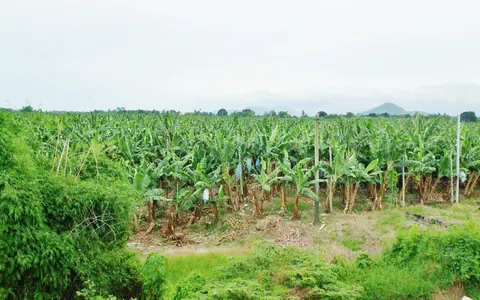
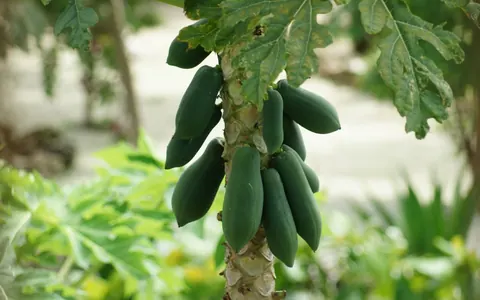
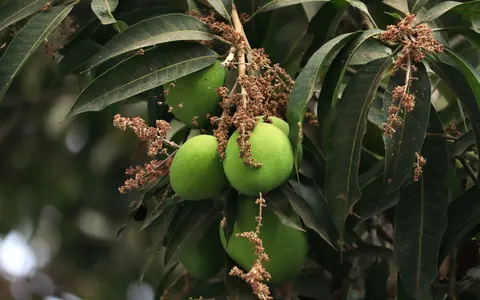
Paano Magtanim ng Kaimito: How to Plant Star Apple the Traditional Way
Paano magtanim ng kaimito? Here is how traditional Filipino farmers usually plant kaimito (star apple), step by step from getting the field ready to the harvest, with the day of each step and what to change for a higher yield.
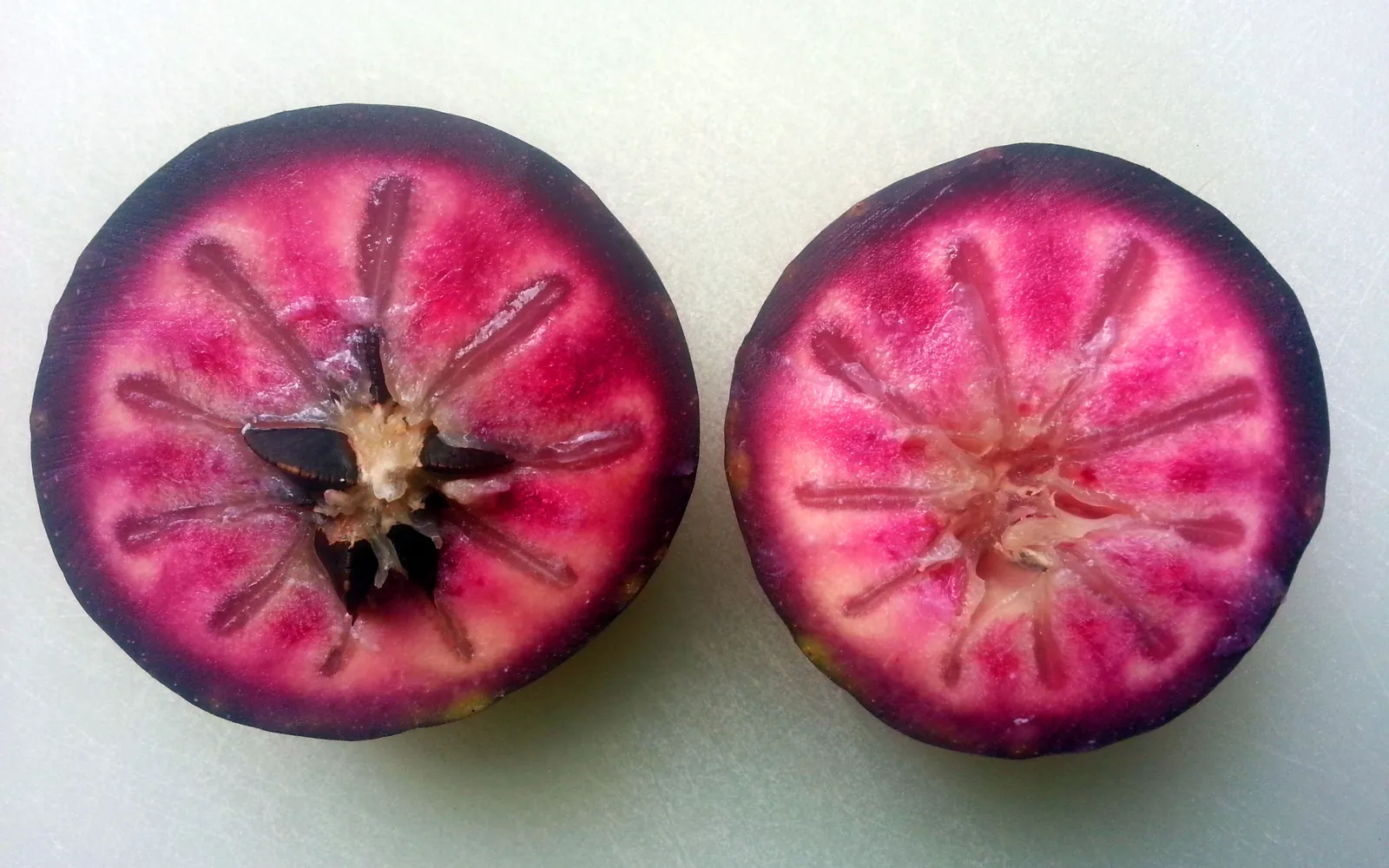
This guide shows how traditional farmers usually plant kaimito. Use it as a starting point. For a higher yield, update it: plant certified seed or clean planting material, test your soil, and follow the right spacing and fertilizer.
How Filipino growers raise kaimito, the purple or green star apple of the cool months, from a seedling or a marcot to the first fruit. It is a big, slow, long lived backyard and orchard tree, so the guide is about good spacing, a low shape and careful picking.
Before you plant, get the field ready with our land preparation guide for fruit and plantation trees. Then choose your seed or planting material with the kaimito nutrient deficiency guide. For more on the crop, read pagtatanim ng puno.
When to plant kaimito
Trees are planted as the rains begin, about May to July. Kaimito flowers in the rainy months and the fruit ripens about four to five months later, from about late December to March or April.
What you plant
Many backyard trees grow from seeds of a big, sweet fruit. The seeds sprout in two to six weeks and the tree bears in five to six years or more. Growers who want early, true to type fruit plant marcotted or cleft grafted seedlings, grafted onto kaimito seedlings six to eight months old, bought from a nursery or made from their best tree.
Paano magtanim ng kaimito, step by step
Seedling trees usually bear at about five to six years. We count the first harvest at 60 months (1,800 days). Grafted and marcotted trees bear years earlier. The crop is ready about 5 years after planting.
Before planting (Bago magtanim)
30 days before planting: Dig holes with plenty of room
Kaimito becomes a wide tree, so dig holes about 50 cm wide and deep about 10 to 12 m apart. Mix the topsoil with rotted manure or compost and put it back.
The nursery (Punlaan)
8 months before planting: Sow seeds from ripe fruit
Wash the seeds of a big, sweet, fully ripe fruit and sow them about 1 cm deep in a seedbox or bed of loose soil under light shade. Keep the soil damp. They come up in two to six weeks.
8 months before planting: Marcot a branch of your best tree
To get a tree that fruits like your best kaimito, and sooner than a seedling, root a branch while it is still on the tree, then cut it off and raise it in a bag before planting.
- Pick the tree and the branchChoose a tree that bears good fruit every year, has no pest or disease and is not too old. On it, pick a branch of middle age, about as thick as a finger, pointing upward, out in the sun and without flowers or fruit.
- Mix the wrapping soilMix moist garden soil with rice hull, or use the mudpress from a sugar mill. It should hold together in the hand without dripping.
- Peel a ring of barkWith a clean, sharp knife, cut twice around the branch a short distance apart and peel off the bark between the cuts. Scrape away the slippery green layer under it, or the bark grows back over the wound instead of making roots.
- Wrap and tie itWrap a sheet of plastic around the ring, pack it with a ball of the moist soil mix, and tie both ends tight with plastic straw so the ball cannot slip or dry out.
- Wait for the roots4 to 7 monthsLeave it on the tree until white roots show plainly through the plastic. Kaimito marcots take about four to seven months to root. Tip: Some growers cut the branch halfway through first and finish the cut about two weeks later, so the new roots get used to living alone.
- Cut it off and bag itSaw the branch below the root ball, take off the plastic without breaking the ball, and plant it in a 6 by 8 inch bag filled with two parts soil, one part compost and one part rice hull.
- Nurse it in the shade2 weeks in shadeKeep the new marcot in shade, out of the rain, for two weeks and water it every day. Then move it into the sun, pick off any flowers, and after about four weeks give it a pinch of complete fertilizer.
7 months before planting: Move seedlings into bags
When each seedling has three to five firm leaves, lift it with its soil and set it in a bag of garden soil and compost. Keep the bags in partial shade and water them often.
2 months before planting: Cleft graft your seedlings
Cleft grafting is the most common way kaimito is multiplied here and takes well. A cut shoot from your best tree is joined onto your own kaimito seedlings, so the new trees bear the same fruit and bear sooner.
- Use seedlings six to eight months old6 to 8 months from sowingYour bagged kaimito seedlings are ready as rootstock at about six to eight months, when the stem is firm and as thick as the shoots you will graft on.
- Cut scions from your best treeEarly in the morning, cut healthy shoot tips from a tree that bears heavily and has good fruit. Pull off their leaves without hurting the buds, keep them out of the sun so they do not dry, and graft them the same day.
- Top and split the rootstockCut off the seedling top where the stem is still growing actively, then split the stump straight down the middle about 2 to 3 cm with a sharp knife.
- Shape the wedge and fit itSlice the base of the scion into a short wedge on two sides with smooth, clean cuts. Push it into the split so the bark of the scion lines up with the bark of the stock on at least one side.
- Tie and cover the graftBind the joint and the whole scion firmly with a strip of thin plastic, then slip a small plastic bag or ice candy wrapper over the top to keep water out. A good tie lets you lift the whole seedling by the scion without moving the joint.
- Care for the new graftKeep the plants in light shade and rub off every shoot that grows below the joint. When new leaves push out of the scion, remove the cover and unwind the plastic strip, and move the plant to a bigger bag if it outgrows the first.
30 days before planting: Harden the seedlings
A month before planting, move the bags into more sun and water a little less.
Planting day (Pagtatanim)
Planting day: Plant at the start of the rains
On a cloudy day, cut off the bag, set the seedling or marcot at the same depth it grew, firm the soil, water and tie it to a stake. Tip: Keep a grafted seedling's graft joint above the soil.
Care while it grows (Pag aalaga)
Day 3: Mulch the base
Lay dry grass or leaves around the young tree, a hand's width from the stem, to keep the soil damp and the weeds down.
Month 2: Feed the young tree
Scatter a small amount of ammonium sulfate (21 0 0), about 150 to 200 g a tree, in a ring away from the stem, at the start and near the end of the rains. Compost or manure also works.
Month 4: Ring weed and water in dry spells
Keep the ring under the tree clean, and water once or twice a week in long dry spells for the first year or two.
Month 12: Shape two or three main branches
Let only two or three strong main branches grow, and cut off drooping, crossing branches and upright water sprouts. A low, open tree is easier to pick.
Month 55: Wrap the young fruit
Once the tree fruits, wrap young fruits in paper or net bags to keep fruit flies away, and gather and bury fallen, bored fruit.
Harvest (Anihan)
Year 5: Pick only fully ripe fruit
The first crop comes at about five to six years for seedling trees. Pick only ripe fruit: purple types turn deep purple and green types turn shiny pale green, a little soft. Cut the stalk with clippers or use a bamboo pole with a net. Tip: Kaimito picked unripe stays gummy and puckery. Fruits ripen a few at a time, so pick often.
Month 61: Feed and prune after the season
After the last fruit, cut out dead and tangled branches and give complete fertilizer (14 14 14) and manure under the edge of the leaves.
Watering kaimito, stage by stage
Kaimito here is a rain fed backyard tree: young trees get a pail of water once or twice a week in long dry spells for their first year or two, and old trees are left to the rain. In the provinces with a long, harsh dry season, owners with a well water bearing trees while the fruits fill. A pail or hose into a ring basin around the tree, the usual way in backyards. Water in the cool early morning or late afternoon.
The first six months after planting. Flowering, when a dry break lowers fruit set. Fruit filling once the rains stop, in places with a long, harsh dry season.
| Stage | When | How often | How much |
|---|---|---|---|
| Seedbox or seedbed | 8 to 7 months before planting | Every day or every other day, keeping the soil damp | A light sprinkle over the box or bed |
| Seedlings in bags | 7 months before planting to 30 days before planting | Every day or two in partial shade | Enough to wet each bag through |
| Hardening in more sun | 30 days before planting to planting day | A little less often, every 2 to 3 days. Soak the bag the day before planting | Enough to keep the leaves firm |
| Planting to 6 months | Planting day to month 6 | About once a week, more often in hot, dry weeks | A good soak of the mulched ring around the stem |
| Years 1 and 2 | Month 6 to 24 | Once or twice a week in long dry spells | A deep soak of the mulched ring |
| Years 3 to 5, before bearing | Month 24 to 54 | Only in long rainless periods. Grafted and marcotted trees reach bearing years sooner | A deep soak of the ring under the leaves |
| Flowering and fruit set (in the rainy months) | Month 54 to 56 | Rain usually does it. In a dry break, water about once a week | A deep soak of the ground under the crown |
| Fruit growth into the dry months, to harvest (about December to April) | Month 56 to 60 | Every week or two once the rains stop, above all in provinces with a harsh dry season | A deep soak under the crown |
Without irrigation. Plant as the rains begin and keep the ring mulched. Kaimito thrives in the lowlands, even with a clear dry season: it flowers in the rainy months and fills its fruit as the dry months begin, so most rain fed trees bear well. Where the dry season is harsh, plan a few deep waterings for the months the fruit is filling.
In the dry season. Young trees: about once a week for the first six months, then once or twice a week in long dry spells. Bearing trees: a deep soak every week or two while the fruit fills. Water when the tree drops too many leaves or the fruits feel less juicy and start to shrivel.
In the rainy season. Kaimito needs soil that drains perfectly. Plant on ground where rain water never stands, or on a low mound on flat land, and keep drains open in the rainy months.
- Too little water: The tree drops too many leaves, and the fruits come less juicy or shrivel on the branch.
- Too much water: Yellowing leaves and poor growth on soil that stays wet.
To water better for a higher yield: Give bearing trees a deep soak every week or two from the end of the rains until harvest. The fruits stay juicy and full. Water young trees weekly for their first six months and keep the ring mulched, so they grow without a break.
Spacing, water and fertilizer for kaimito
Spacing
About 10 to 12 m between trees each way, since kaimito grows wide. One seedling or marcot a hole. In backyards, one tree well away from the house.
Water
Rain fed. Young trees get water once or twice a week in long dry spells. Old trees stand drought but bear better with water in very dry years.
Fertilizer
Compost and rotted manure at planting. Young trees get small amounts of ammonium sulfate (21 0 0) twice a year. Bearing trees get complete fertilizer (14 14 14), about half a kilo twice a year at first and more as the tree grows, at the start and near the end of the rains, spread in a ring under the edge of the leaves. To read what a bag really gives, see our guide to fertilizer for this crop.
Care and harvest
Care while it grows
Ring weeding, mulching, watering young trees in dry spells, keeping two or three main branches, removing drooping branches and water sprouts, and bagging young fruit against fruit flies. Birds and bats take ripe fruit, so it is picked often.
When and how to harvest
Fruit is ready four to five months after flowering, mostly between late December and March or April. It is picked one by one when fully colored and slightly soft, cut with its stalk, because it does not ripen well once picked. Ripe fruit keeps only a few days at room temperature.
Common mistakes when planting kaimito
- Planting trees too close together or to the house.
- Picking the fruit before it is ripe, so it stays gummy and sour.
- Pulling fruit off without its stalk, so it bruises and leaks latex.
- Letting the tree grow tall with many weak branches.
- Leaving fallen, fly struck fruit under the tree.
How to get a higher yield of kaimito
The traditional way gets a crop, but small changes add up. These are the first things to change, one season at a time.
- Plant grafted or marcotted seedlings of a known sweet type for fruit years sooner.
- Test the soil and feed by the result, twice a year.
- Keep the tree low with two or three main branches.
- Bag young fruit, clean up fallen fruit, and use integrated pest management for fruit flies and twig borers.
anee.io helps with each of these. The NPK Plus calculator checks that your fertilizer plan feeds the yield you want, the pest and disease finders tell you what is on the leaves before you spray, and Anee, the smart farm technician answers your questions in Tagalog or English.
Members open this guide in the How to Plant tool and send every step to the Protocol Builder in one tap, each on its own day. There you can change the seed, the spacing and the fertilizer, then turn it into a cropping calendar for your lots.
Start from the traditional way, make it better, and let anee.io date every task from your own planting day. Free to start.
Start freeQuestions about planting kaimito
Paano magtanim ng kaimito?
When do farmers plant kaimito in the Philippines?
How far apart do you plant kaimito?
How long before kaimito can be harvested?
How often do you water kaimito?
What do you plant to grow kaimito?
See every step of planting it the traditional way
Register for free to read every step with its day, the spacing, water and fertilizer, the common mistakes and what to change for a higher yield. Then send it to your Protocol Builder in one tap.
Free to register. No credit card. Works on any phone.