Paano Magtanim ng Guyabano: How to Plant Soursop the Traditional Way
Paano magtanim ng guyabano? Here is how traditional Filipino farmers usually plant guyabano (soursop), step by step from getting the field ready to the harvest, with the day of each step and what to change for a higher yield.
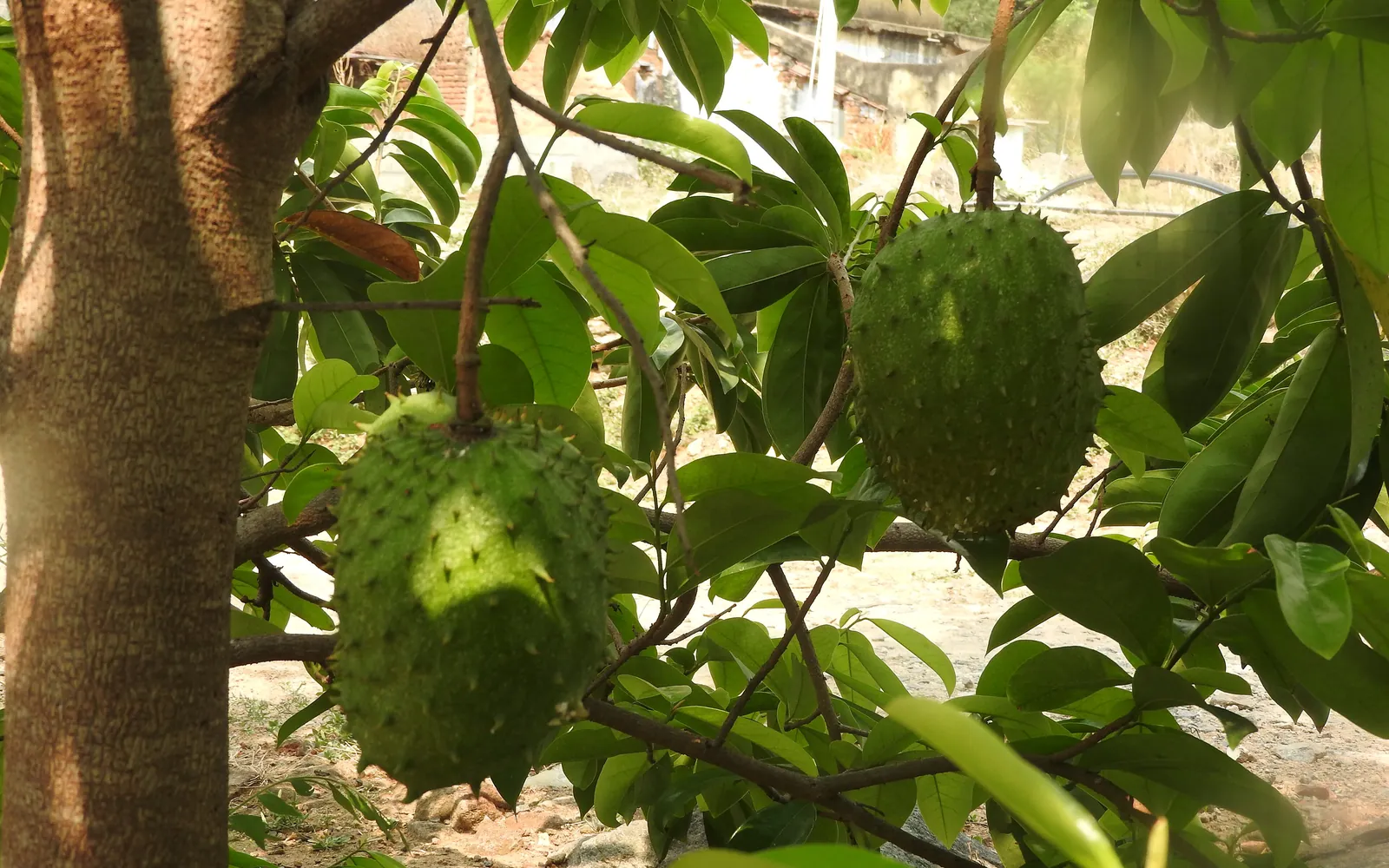
This guide shows how traditional farmers usually plant guyabano. Use it as a starting point. For a higher yield, update it: plant certified seed or clean planting material, test your soil, and follow the right spacing and fertilizer.
How Filipino backyard growers and small farms raise guyabano from seed or a grafted seedling to the first fruit, the way most trees here are planted. It is a hardy lowland tree, so the guide keeps to the simple habits that work: a good hole, light feeding, a low shape, and bagging the fruit.
Before you plant, get the field ready with our land preparation guide for fruit and plantation trees. Then choose your seed or planting material with the guyabano nutrient deficiency guide. For more on the crop, read pagtatanim ng puno.
When to plant guyabano
Seedlings are set out as the rains begin, about May to July, so they root before the dry months. Seeds are sown in the nursery about six months earlier. Trees flower and fruit on and off through the year, with most fruit in the rainy months.
What you plant
Most backyard trees come from seed of large, sweet, well shaped fruit. The seeds are washed clean of pulp, dried in the shade, and soaked in water overnight before sowing. They sprout in a few weeks. Growers who want early, true to type fruit buy grafted or marcotted seedlings of a known sweet or prolific type from a nursery.
Paano magtanim ng guyabano, step by step
Seedling trees usually give their first fruit in the third year after planting out, about 36 months (1,080 days). Grafted or marcotted trees often fruit a year earlier. The crop is ready about 3 years after planting.
Before planting (Bago magtanim)
14 days before planting: Dig the holes
Clear the spot and dig a hole about 30 to 50 cm wide and deep for each tree, in a sunny place where rain water does not stand. Mix the topsoil with a few kilos of rotted manure or compost and fill it back.
The nursery (Punlaan)
6 months before planting: Sow the seeds in bags
Wash the seeds from a good fruit, dry them in the shade, and soak them overnight. Sow one or two seeds about 1 to 2 cm deep in each bag of garden soil mixed with compost, and keep the bags in light shade and moist.
5 months before planting: Thin to one seedling
When the seedlings are up, keep the strongest one in each bag and pull out the rest. Water them every day or two and pull weeds from the bags.
30 days before planting: Harden the seedlings
A month before planting, move the bags into fuller sun and water a little less so the leaves toughen. Seedlings about 30 to 50 cm tall are ready.
Planting day (Pagtatanim)
Planting day: Plant at the start of the rains
On a cloudy day or late afternoon, water the bag, cut it away, and set the seedling in the hole at the same depth it grew. Firm the soil, water it, and tie it loosely to a stake if the place is windy. Tip: Keep a grafted seedling's graft joint above the soil.
Care while it grows (Pag aalaga)
Day 3: Mulch around the base
Spread dry grass, leaves or rice straw around the young tree, keeping it a hand's width from the stem, to hold moisture and keep the weeds down.
Day 30: Water in dry spells
Water young trees once or twice a week when the rain stops, through the first dry season. Older trees live on rain.
Month 2: Ring weed and feed
Keep a clean ring under the tree and give compost or manure, and a small handful of complete fertilizer (14 14 14) for those who use it, spread around the edge of the leaves. Feed at the start and the end of the rains, a little more each year.
Month 12: Shape a low tree
When the tree is about 1 m tall, cut the tip so it branches, and keep three or four strong branches spread out. Remove shoots below them and upright water sprouts, so the tree stays low and easy to pick.
Month 30: Help the flowers set
Flowers come on the trunk and older branches. Some growers dust pollen from an open flower into others with a soft brush in the morning, because poorly pollinated fruit grows crooked and small.
Month 31: Bag the young fruit
When the fruit is small, about the size of an egg, wrap it in a net, paper or plastic bag open at the bottom to keep fruit borers and fruit flies out. Remove fruit that is badly misshapen or bored.
Harvest (Anihan)
Year 3: Pick mature fruit
The first fruit usually comes in the third year. Pick when the skin turns from dark, shiny green to a dull yellowish green and the soft spines spread apart. Cut the stalk and catch the fruit so it does not drop. Tip: Let it soften on a table for a few days before eating.
Month 37: Prune after fruiting
After the main crop, cut out dead, crossing and crowded branches and any water sprouts, and give the tree compost or manure to build the next crop.
Watering guyabano, stage by stage
Guyabano here is mostly a backyard tree on rain: young trees get a pail of water once or twice a week in their first dry season, and older trees are watered only in a long drought. Growers mulch the base, because the roots stay near the surface. A pail or hose into a mulched ring basin around the tree, the usual way in backyards. Water early in the morning, on the soil and not over the leaves and flowers.
The first dry season after planting, when the shallow roots dry out. Flowering and fruit set in a dry spell. Fruit growth, when dry soil gives small, light fruits.
| Stage | When | How often | How much |
|---|---|---|---|
| Seedlings in bags | 6 months before planting to 30 days before planting | Every day or two in light shade | Enough to wet each bag right through |
| Hardening in full sun | 30 days before planting to planting day | A little less often, every 2 to 3 days | Enough to keep the leaves from wilting. Soak the bag on planting day |
| Planting to new leaves | Planting day to month 2 | Water at planting, then about twice a week in dry spells | A good soak of the mulched ring around the stem |
| First dry season | Month 2 to 12 | Once or twice a week whenever the rain stops | A deep soak of the mulched ring |
| Years 2 and 3, before fruiting | Month 12 to 29 | Only in long droughts, a deep soak every week or two when the tree starts dropping old leaves | A deep soak of the ring under the leaves |
| Flowering and fruit set | Month 29 to 32 | In a dry spell, about once a week. Water the soil, never over the tree | A deep soak of the ring under the leaves |
| Fruit growth to the first harvest | Month 32 to 36 | Every week or two in dry weather | A deep soak of the mulched ring |
| Bearing trees, flowering and fruiting on and off all year | Year 3 to 4 | In the dry months a deep soak every week or two. None in the rains | A deep soak of the ring under the leaves |
Without irrigation. Plant as the rains begin, in a sunny spot where rain water does not stand, and keep the ring mulched all year so the shallow roots stay damp. Most fruit comes in the rainy months. A clear dry season makes the tree drop leaves and then flush and flower all together, so a rain fed tree gives a fair crop, but it bears more where a few deep waterings carry it through the dry months.
In the dry season. Young trees: once or twice a week. Bearing trees: a deep soak every week or two, more often while flowering and with fruit. Water when the tree drops many old leaves before new ones show, or when the soil under the mulch is dry a hand deep.
In the rainy season. Guyabano does not like standing water, so plant on ground that drains and open a drain from low spots. In long, very wet spells the flowers and young fruits rot or shrivel and drop from fungus, so prune crowded branches for air, pick off and bury rotten fruits, and bag the young fruits.
- Too little water: The tree sheds many old leaves before new ones come, leaves droop in the afternoon, flowers dry up, and fruits stay small and light.
- Too much water: Yellow leaves and slow decline on waterlogged soil, and flowers and young fruits with dark rot that shrivel and fall in wet weather.
To water better for a higher yield: A deep watering every week through the dry months, with a thick mulch on the ring, gives heavier fruits and a bigger crop. Water the soil only and keep the canopy open by pruning, so the flowers set without catching rot.
Spacing, water and fertilizer for guyabano
Spacing
About 4 to 6 m between trees each way in an orchard. Backyard trees are planted alone, a few meters from the house or fence. One seedling a hole.
Water
Rain fed in most farms. Young trees are watered once or twice a week in their first dry season. Older trees get water only in long droughts. The tree does not like standing water.
Fertilizer
Rotted manure, compost and kitchen ash around the tree, at planting and each year at the start of the rains. Farmers who buy fertilizer give complete fertilizer (14 14 14) twice a year, a small handful for young trees and more as the tree grows. Many backyard trees get nothing and still bear, but smaller crops. To read what a bag really gives, see our guide to fertilizer for this crop.
Care and harvest
Care while it grows
Ring weeding and mulch, watering young trees in the dry season, cutting the tip to make a low tree with three or four main branches, removing water sprouts, pruning after the crop, hand pollinating in the morning, and bagging young fruit against borers.
When and how to harvest
Fruit is mature when the skin turns from dark shiny green to dull yellowish green and the spines soften and spread apart. It is picked firm and ripened indoors in a few days, because a soft ripe fruit bruises and splits if it falls. Ripe fruit spoils fast, so it is sold or eaten quickly.
Common mistakes when planting guyabano
- Planting in a low spot where water stands after rain.
- Sowing seeds from small or poorly shaped fruit.
- Letting the tree grow tall with no pruning, so the fruit is out of reach.
- Leaving young fruit unbagged, so borers and fruit flies spoil most of it.
- Waiting for the fruit to soften on the tree, so it falls and bursts.
How to get a higher yield of guyabano
The traditional way gets a crop, but small changes add up. These are the first things to change, one season at a time.
- Plant grafted or marcotted seedlings of a known sweet, prolific type for earlier, even fruit.
- Test the soil and feed by the result, twice a year, more as the tree grows.
- Hand pollinate in the morning to get round, full fruit.
- Bag every young fruit and pick up fallen and bored fruit to break the pest cycle.
- Prune every year after fruiting to keep the tree low and open, and use integrated pest management.
anee.io helps with each of these. The NPK Plus calculator checks that your fertilizer plan feeds the yield you want, the pest and disease finders tell you what is on the leaves before you spray, and Anee, the smart farm technician answers your questions in Tagalog or English.
Members open this guide in the How to Plant tool and send every step to the Protocol Builder in one tap, each on its own day. There you can change the seed, the spacing and the fertilizer, then turn it into a cropping calendar for your lots.
Start from the traditional way, make it better, and let anee.io date every task from your own planting day. Free to start.
Start freeQuestions about planting guyabano
Paano magtanim ng guyabano?
When do farmers plant guyabano in the Philippines?
How far apart do you plant guyabano?
How long before guyabano can be harvested?
How often do you water guyabano?
What do you plant to grow guyabano?
See every step of planting it the traditional way
Register for free to read every step with its day, the spacing, water and fertilizer, the common mistakes and what to change for a higher yield. Then send it to your Protocol Builder in one tap.
Free to register. No credit card. Works on any phone.