Paano Magtanim ng Malunggay: How to Plant Moringa the Traditional Way
Paano magtanim ng malunggay? Here is how traditional Filipino farmers usually plant malunggay (moringa), step by step from getting the field ready to the harvest, with the day of each step and what to change for a higher yield.
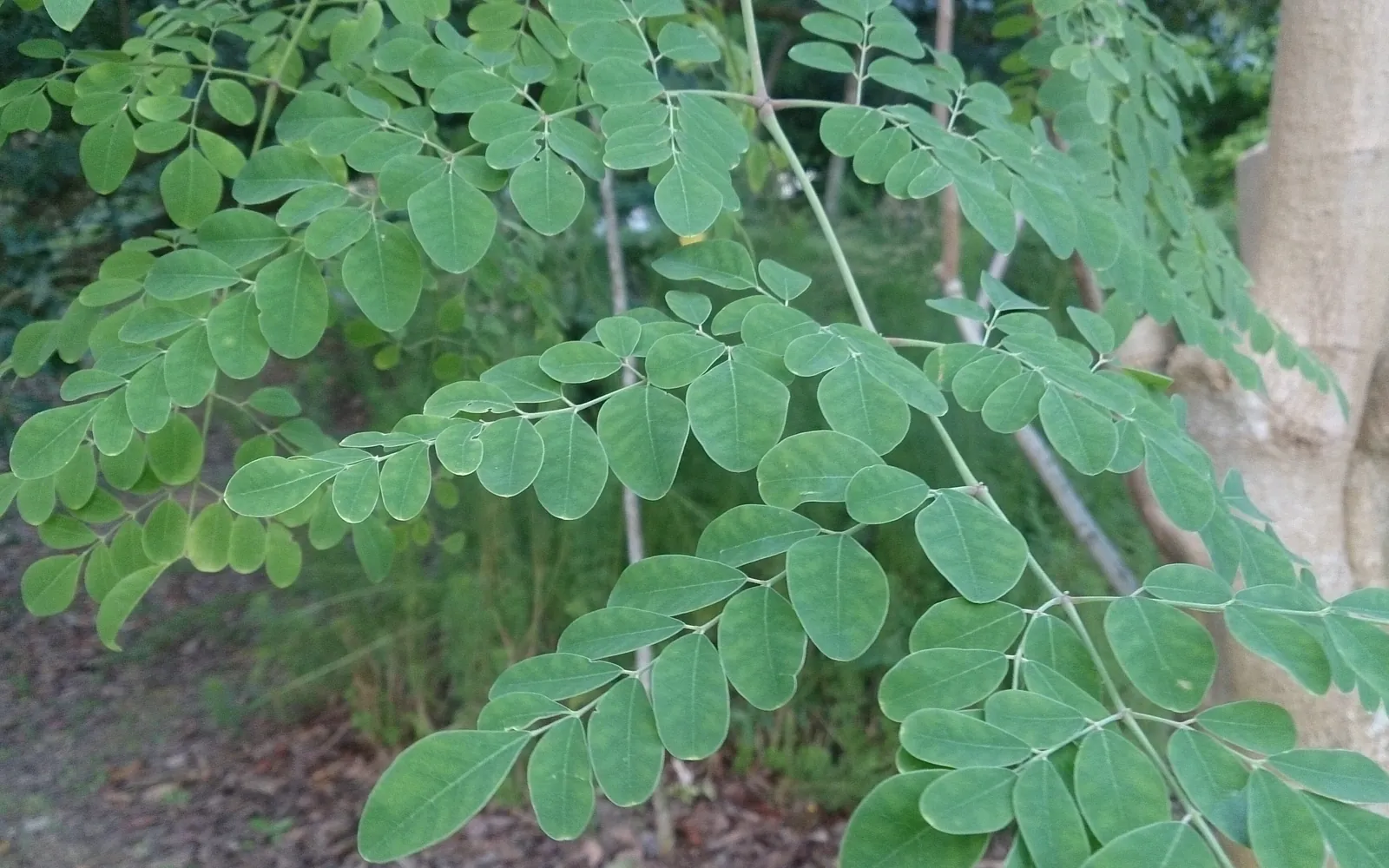
This guide shows how traditional farmers usually plant malunggay. Use it as a starting point. For a higher yield, update it: plant certified seed or clean planting material, test your soil, and follow the right spacing and fertilizer.
How Filipino households and small farms plant malunggay the old way, from a thick branch cutting stuck into the ground by the fence or in rows, and keep it low for leaves and pods. It is for backyard growers and farmers who sell bundles of leaves and pods at the market.
Before you plant, get the field ready with our land preparation guide for fruit and plantation trees. Then choose your seed or planting material with the malunggay nutrient deficiency guide. For more on the crop, read pagtatanim ng puno.
When to plant malunggay
Best planted as the rains begin, about June to August, so the cutting roots before the dry months. With a little watering it can be planted almost any month, but cuttings set in the hot dry season often dry out.
What you plant
Most Filipinos plant a mature branch cut from a healthy tree that already bears pods, about 1 to 2 m long and as thick as a wrist, with the bark firm and brown, not green. Cuttings start bearing sooner than seedlings. Some growers let the cut end dry in the shade for a day or two before planting. Seeds from dry pods are also sown, soaked overnight first, but they take longer to become a bearing tree.
Paano magtanim ng malunggay, step by step
The first picking of leaves comes about 3 months (90 days) after planting the cutting. Pods start at about 6 to 8 months, and steady pod bearing from the second year. The crop is ready about 90 days after planting.
Before planting (Bago magtanim)
7 days before planting: Pick the spot and dig a pit
Choose a sunny place where water never stands, such as a fence line or near the kitchen drain where the ground gets waste water but drains fast. Dig a pit about 50 cm wide and deep and fill it back with topsoil mixed with rotted manure and some sand.
2 days before planting: Cut the branches
Cut mature brown branches, about 1 to 2 m long and thick as a wrist, from a healthy tree that bears pods. Cut the bottom end at a slant and keep the cuttings in the shade until planting. Tip: Remember which end was the bottom. A cutting planted upside down will not root.
Planting day (Pagtatanim)
Planting day: Plant the cutting upright
Push or set the cutting straight up in the pit, no deeper than about 30 cm, and firm the soil hard around it so it does not wobble. Water it once if the soil is dry. Tip: Do not move or twist the cutting after planting, or the new roots break.
Care while it grows (Pag aalaga)
Day 20: Watch for new shoots
New shoots usually come out from the top and sides in about three weeks. Water lightly once or twice a week if no rain falls, but never keep the soil soggy, because the cutting rots.
Day 30: Replace cuttings that failed
Pull out cuttings that stay bare or turn soft and dark at the base, and plant fresh ones while it is still rainy.
Day 45: Weed and feed
Keep a clean ring around the base and pile on compost, chicken manure or rotted animal manure. In the first year farmers stick to manure and compost. Later some add a little urea once or twice a year.
Month 4: Top the tree to keep it low
Cut the tall main shoots back to about 1 m or the height you can reach, so the tree branches out into a bush with more young leaves. Repeat whenever the tree runs tall. Tip: The cut branches make new cuttings for planting.
Harvest (Anihan)
Month 3: First picking of leaves
About three months after planting, break off the young leafy sprigs by hand or with a small knife, leaving some leaves on every branch. Pick a little at a time, every week or two.
Month 7: Pick the first pods
Pods start at about six to eight months. For cooking, pick them green and still snapping, before they turn hard and stringy. Leave some to dry brown on the tree for seed.
Month 8: Keep seed from dry pods
Leave some pods on your best tree until they dry brown on the branch, then pick, thresh, dry and store the seed for new trees. A seedling tree takes longer to bear than a cutting, but seed is easy to keep and share.
- Let the pods dry on the treeChoose a healthy tree with long, well filled pods and leave its pods alone until they turn brown and dry while still hanging. Fence or watch the tree, because passersby like to pick long pods early.
- Pick and thresh the dry podsPick only fully dry pods, in the afternoon when they are driest, and split them open by hand the same day to free the winged seeds.
- Sun dry the seed for a day1 dayPut the seed in a net bag and leave it in strong sun for a day so it dries well before storing.
- Store it with ashPour the dry seed into a jar and cover the top with a layer of wood ash, which keeps insects off, then close the jar and keep it in a dry place.
- Soak the seed before sowingabout 24 hoursWhen you sow, soak the seed in water, or wrap it in a damp cloth, for about a day, and sow it in a bag of topsoil mixed with vermicast and carbonized rice hull, or straight in a sunny, well drained spot.
Watering malunggay, stage by stage
Malunggay is planted as the rains begin and then mostly left to the rain, often on a fence line or near the kitchen where it gets some waste water. A new cutting is kept moist but never wet until it roots, and in a long dry season many households give it a weekly watering to keep the leaves coming. A watering can, a pail or kitchen waste water poured around the base, the usual way in backyards. A few leaf farms use furrows or drip lines. Water in the morning, deeply and not too often.
The first two months after planting the cutting: moist soil, never wet. Long dry spells on trees picked for leaves, when the leaves turn small and few.
| Stage | When | How often | How much |
|---|---|---|---|
| Cutting to first shoots | Planting day to day 21 | Water once at planting if the soil is dry, then lightly once or twice a week when no rain falls | A light watering, just enough to dampen the soil around the cutting |
| Rooting and early growth | Day 21 to month 2 | Regularly in dry weather, about once or twice a week, letting the top soil dry in between | A soak of the ring around the stem |
| Leaf picking begins | Month 2 to 7 | About once a week in dry spells. Not needed in steady rain | A deep soak of the ring around the tree |
| Flowering and pods | Month 7 to 12 | About once a week in dry spells | A deep soak of the ring around the tree |
| Bearing tree, years 2 and on | Month 12 to 24 | Only in a long dry season, about once a week for trees picked for leaves. Others only when they clearly suffer | A deep soak of the ring |
Without irrigation. Plant between June and August so the cutting roots before the dry months. Cuttings set in the hot dry season often dry out. Choose a sunny spot where water never stands, and in a place with heavy rain plant on a low mound. Once rooted, malunggay lives through dry months on rain alone, though it drops many leaves until the rain returns.
In the dry season. A deep watering about once a week keeps a leaf tree green and picking. Water when the leaflets turn yellow and fall, when new shoots stop, or when the soil a hand deep is dry.
In the rainy season. Malunggay roots and the base of new cuttings rot in waterlogged or heavy, wet soil. Plant on a mound, a slope or sandy loam, open a drain from any spot where rain water stands, and never water a cutting that is still bare.
- Too little water: Leaflets turn yellow and fall, new sprigs come small and few, and the tree goes nearly bare.
- Too much water: A cutting turns soft and dark at the base, leaves yellow and wilt, and the roots rot.
To water better for a higher yield: Water deeply once a week through the dry months and feed with manure, so leaves and pods keep coming all year. Keep a mulch on the ring and plant on a mound, so the soil stays damp in dry weeks and drains fast in the rains.
Spacing, water and fertilizer for malunggay
Spacing
Trees for pods and shade are set about 5 m apart each way, or 1 to 2 m apart as a living fence along the boundary. One cutting a pit. Leaf farms grown from seed are planted much closer, in beds, and cut often.
Water
Mostly rain fed. A new cutting needs moist but never wet soil until it roots. After that malunggay stands drought well. In a long dry season, a weekly watering keeps the leaves coming.
Fertilizer
Rotted manure and compost in the pit and around the base during the first year, often kitchen waste and ash too. Later many farmers give a little nitrogen, urea (46 0 0), once or twice a year after cutting back, or keep feeding manure. To read what a bag really gives, see our guide to fertilizer for this crop.
Care and harvest
Care while it grows
Clean ring weeding, topping the tree at about 1 m to keep it bushy and within reach, and cutting back old tall branches after the dry season. Farmers watch for caterpillars that strip the leaves and pick them off by hand.
When and how to harvest
Leaves are picked as young sprigs every week or two from about three months. Pods from about six to eight months, green and tender for cooking. Leaves wilt fast, so they are picked in the cool morning, bundled and kept in the shade until sold. Dry pods are kept for seed.
Common mistakes when planting malunggay
- Planting in a low spot where rain water stands, so the cutting rots.
- Using thin green branches that dry up before rooting.
- Planting the cutting upside down or shaking it after planting.
- Letting the tree grow tall and never topping it, so the leaves are out of reach.
- Stripping every leaf at once, which weakens the tree.
How to get a higher yield of malunggay
The traditional way gets a crop, but small changes add up. These are the first things to change, one season at a time.
- Take cuttings only from heavy bearing, healthy trees, or grow a known leaf type from seed for a leaf farm.
- Top the tree regularly and cut on a steady schedule for a steady supply of young leaves.
- Feed compost after each heavy cutting, and test the soil if growth slows.
- Water during long dry spells so picking does not stop.
- Scout weekly for caterpillars and pod flies and use integrated pest management.
anee.io helps with each of these. The NPK Plus calculator checks that your fertilizer plan feeds the yield you want, the pest and disease finders tell you what is on the leaves before you spray, and Anee, the smart farm technician answers your questions in Tagalog or English.
Members open this guide in the How to Plant tool and send every step to the Protocol Builder in one tap, each on its own day. There you can change the seed, the spacing and the fertilizer, then turn it into a cropping calendar for your lots.
Start from the traditional way, make it better, and let anee.io date every task from your own planting day. Free to start.
Start freeQuestions about planting malunggay
Paano magtanim ng malunggay?
When do farmers plant malunggay in the Philippines?
How far apart do you plant malunggay?
How long before malunggay can be harvested?
How often do you water malunggay?
What do you plant to grow malunggay?
See every step of planting it the traditional way
Register for free to read every step with its day, the spacing, water and fertilizer, the common mistakes and what to change for a higher yield. Then send it to your Protocol Builder in one tap.
Free to register. No credit card. Works on any phone.