Paano Magtanim ng Mangosteen: How to Plant Mangosteen the Traditional Way
Paano magtanim ng mangosteen? Here is how traditional Filipino farmers usually plant mangostan (mangosteen), step by step from getting the field ready to the harvest, with the day of each step and what to change for a higher yield.
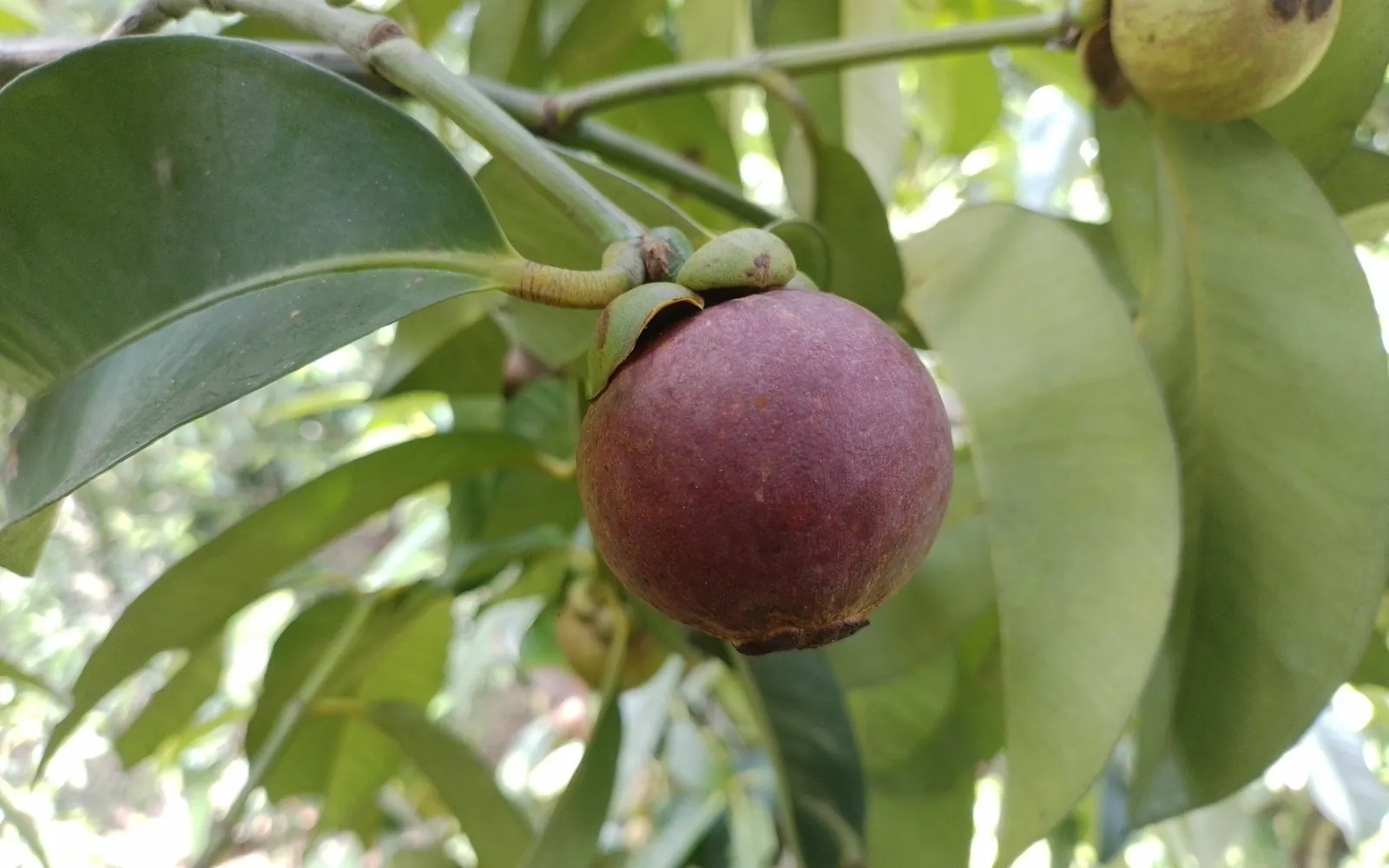
This guide shows how traditional farmers usually plant mangostan. Use it as a starting point. For a higher yield, update it: plant certified seed or clean planting material, test your soil, and follow the right spacing and fertilizer.
This guide shows how Filipino growers, especially in Mindanao and Sulu, usually raise mangosteen from seed, plant it out under partial shade and care for it through the long wait to the first fruits. It is for patient growers with humid land and good water.
Before you plant, get the field ready with our land preparation guide for fruit and plantation trees. Then choose your seed or planting material with the mangostan nutrient deficiency guide. For more on the crop, read pagtatanim ng puno.
When to plant mangostan
Seedlings are planted out once the rains have truly begun, around June to July in most places, or in any wet month where rain spreads through the year. Mangosteen wants a warm, humid place with rain spread through the year, deep soil that stays moist but drains, and does best below about 500 m.
What you plant
Most growers raise seedlings from the seeds of big, healthy fruits. Mangosteen seeds grow into trees like the mother, so seedlings are the usual planting material. Seeds sprout in a week or two and are kept in bags under partial shade for about two years, until they are about 25 to 30 cm tall, before planting out.
Paano magtanim ng mangosteen, step by step
Mangosteen grown from seed usually flowers 10 to 15 years from sowing, and two of those years pass in the nursery. With good care trees can start about 8 years after planting out. The crop is ready about 8 years after planting.
Before planting (Bago magtanim)
2 months before planting: Plant shade and mark the holes
Plant banana, dapdap or other shade in the field ahead of time, or plan to plant under coconut or durian. Mark the planting spots about 8 m by 8 m.
14 days before planting: Dig and fill the holes
Dig holes about 60 cm wide and 60 cm deep and fill them with farm manure mixed with loose topsoil. Put about 200 to 250 g of complete fertilizer a little below and to the side of where the roots will sit.
The nursery (Punlaan)
2 years before planting: Sow the seeds under shade
Take the plump seeds from fresh, ripe fruits and sow them right away in bags, pots or bamboo tubes of loose soil. Keep them under partial shade and water 3 to 4 times a week. Tip: Mangosteen seeds die if they dry out, so never store them long.
Planting day (Pagtatanim)
Planting day: Plant the two year old seedling
Take the seedling out of its container gently so the roots are not disturbed, and set it in the middle of the hole. Fill in loose topsoil and press gently until the plant stands firm, then water.
Care while it grows (Pag aalaga)
Day 1: Water and keep it shaded
Water right after planting and whenever rain is short, keeping the soil moist but never letting water stand over the roots. Make sure the young tree gets only filtered light.
Day 30: Ring weed one meter around
Weed a circle about 1 m around each young tree and loosen the soil lightly. Peanut, other legumes, banana or abaca can grow between the rows in the early years.
Month 2: Watch for mites, mealybugs and scale
Check the leaves for mites, aphids, mealybugs, scale insects and caterpillars, and for black sooty mold. Remove badly hit leaves and keep ants away.
Month 6: Feed twice a year
At the start and at the end of the rains, give a young tree about 300 to 500 g of complete fertilizer (14 14 14) in a shallow furrow around it, plus some urea (46 0 0). Increase the amount every year and add manure when you can.
Year 2: Thin the shade slowly
As the tree gets bigger and stronger, cut back the temporary shade little by little so the tree gets more light. Keep weeding and feeding every year.
Harvest (Anihan)
Year 8: First fruits
The fruit ripens about 5 to 6 months after flowering, when the skin has changed to a deep reddish purple and gives a little to the touch. Pick by hand or with a hooked pole and basket, keeping the stalk on.
Watering mangostan, stage by stage
Mangosteen seedlings are watered three to four times a week through their two years in the nursery, then watered right after planting and whenever rain is short. Grown trees are mostly rain fed, and growers who have water give it in the dry months to keep the soil moist. A watering can or hose for nursery seedlings, and a pail or hose into a mulched ring for young trees. Bearing trees get basin, sprinkler or drip watering where water is near. Water in the morning.
The nursery years and the first months after planting, when the seedling dies from either drying out or standing water. Flowering and young fruits, when dry soil drops the fruits. Fruit growth up to picking, since a dry spell then a sudden soaking spoils the fruit inside.
| Stage | When | How often | How much |
|---|---|---|---|
| Seedlings in the nursery (two years) | 2 years before planting to planting day | 3 to 4 times a week under partial shade, daily in very hot spells | Enough to wet the bag or tube right through, with no water left standing |
| Planting to 3 months | Planting day to month 3 | Water right after planting, then every 2 to 3 days whenever rain is short | A gentle soak of a ring basin, never leaving water standing over the roots |
| First years under shade | Month 3 to 48 | About twice a week in the dry months, once a week on heavy soil. Not needed in steady rain | A soak of the mulched ring under the leaves |
| Years 5 to 8, building the crown | Month 48 to 88 | About once a week in the dry months | A deep soak of the ring, widened as the crown spreads |
| Bearing trees: dry rest before flowering (each year) | Month 88 to 90 | Hold back water for several weeks in the dry months. Mangosteen needs a longer dry spell than durian, about two months in one study | None |
| Flowering and young fruits | Month 90 to 91 | Once the flower buds show, water again and keep the soil evenly moist, about weekly in dry weather | A deep soak under the crown |
| Fruit growth to harvest | Month 91 to 96 | About once a week in dry spells, keeping moisture even until picking | A deep soak under the crown |
Without irrigation. Plant once the rains have truly begun, under banana, dapdap, coconut or durian shade, and keep a mulch of leaves on the ring. Mangosteen does best where rain falls through most of the year. In places with a long dry season, rain fed trees grow very slowly and many young trees die, so carry water to them in their first dry seasons.
In the dry season. Young trees about twice a week, grown trees about once a week, except for the dry rest of several weeks before flowering. Water when the topsoil under the mulch is dry a finger deep or when the young leaves droop.
In the rainy season. Mangosteen wants moist but well drained soil. Never let water stand around a young tree. On flat land plant on a low mound and dig drains. Heavy rain after a dry spell while fruits ripen gives glassy, watery flesh, yellow sap stains inside and cracked skins.
- Too little water: Young leaves droop and curl, leaf edges brown, growth stops, and young fruits fall.
- Too much water: Seedlings yellow and die back with rotting roots. Ripe fruits show glassy flesh, yellow sap and cracks after heavy rain.
To water better for a higher yield: Drip lines through the dry months give better flowering and fruit set than sprinklers and keep the slow young trees growing. Give the bearing tree its dry rest, then keep the soil evenly moist from flowering to harvest so the fruits stay clean inside.
Spacing, water and fertilizer for mangostan
Spacing
About 8 m by 8 m, around 156 trees a hectare, often under or between coconut, banana, durian or lanzones. Holes about 60 cm wide and deep filled with farm manure.
Water
Mangosteen needs steady moisture. Young trees are watered right after planting and whenever rain is short, and growers water in the dry months. Seedlings die quickly if water stands over the roots, so the ground must drain.
Fertilizer
Farm manure in the hole and about 200 to 250 g of complete fertilizer at planting. Young trees get about 300 to 500 g of complete fertilizer (14 14 14 or 12 24 12) a year in two doses, at the start and end of the rains, plus about 200 to 300 g of urea. Bearing trees get about 1.5 to 3 kg of complete fertilizer with 200 to 300 g of muriate of potash (0 0 60) a year, also in two doses, placed in holes or a furrow under the edge of the canopy. To read what a bag really gives, see our guide to fertilizer for this crop.
Care and harvest
Care while it grows
Partial shade for young trees, ring weeding about 1 m around each tree, light loosening of the soil, intercrops in the early years, slow thinning of the shade, and checking for mites, mealybugs, scale insects and sooty mold.
When and how to harvest
The main season runs about August to October. Fruits ripen 5 to 6 months after flowering and are ready when the skin turns reddish purple and slightly soft. They are picked by hand with the stalk on, or with a hooked pole and basket, since a dropped fruit bruises. In Sulu growers tie the fruits in clusters of about 15 for market.
Common mistakes when planting mangostan
- Letting the seeds dry out before sowing, so they never sprout.
- Planting young trees in full sun, where they burn and stop growing.
- Planting in low ground where water stands over the roots.
- Planting out seedlings too small, before they are about two years old.
- Giving up on the trees in the long years before bearing and letting weeds take over.
- Picking fruits before they turn reddish purple, so they never get their full flavor.
How to get a higher yield of mangostan
The traditional way gets a crop, but small changes add up. These are the first things to change, one season at a time.
- Raise seedlings from big, healthy fruits of a heavy bearing tree, or buy from an accredited nursery.
- Test the soil and feed by the result every year, with manure or vermicast for organic matter.
- Plan shade from the start and thin it slowly as the trees grow.
- Water steadily in dry months so the trees grow faster and bear sooner.
- Scout for mites, mealybugs and scale every few months and act early.
- Grow cash crops between the rows to earn during the long wait.
anee.io helps with each of these. The NPK Plus calculator checks that your fertilizer plan feeds the yield you want, the pest and disease finders tell you what is on the leaves before you spray, and Anee, the smart farm technician answers your questions in Tagalog or English.
Members open this guide in the How to Plant tool and send every step to the Protocol Builder in one tap, each on its own day. There you can change the seed, the spacing and the fertilizer, then turn it into a cropping calendar for your lots.
Start from the traditional way, make it better, and let anee.io date every task from your own planting day. Free to start.
Start freeQuestions about planting mangostan
Paano magtanim ng mangosteen?
When do farmers plant mangostan in the Philippines?
How far apart do you plant mangostan?
How long before mangostan can be harvested?
How often do you water mangostan?
What do you plant to grow mangostan?
See every step of planting it the traditional way
Register for free to read every step with its day, the spacing, water and fertilizer, the common mistakes and what to change for a higher yield. Then send it to your Protocol Builder in one tap.
Free to register. No credit card. Works on any phone.