Paano Magtanim ng Ubas: How to Plant Grape the Traditional Way
Paano magtanim ng ubas? Here is how traditional Filipino farmers usually plant ubas (grape), step by step from getting the field ready to the harvest, with the day of each step and what to change for a higher yield.
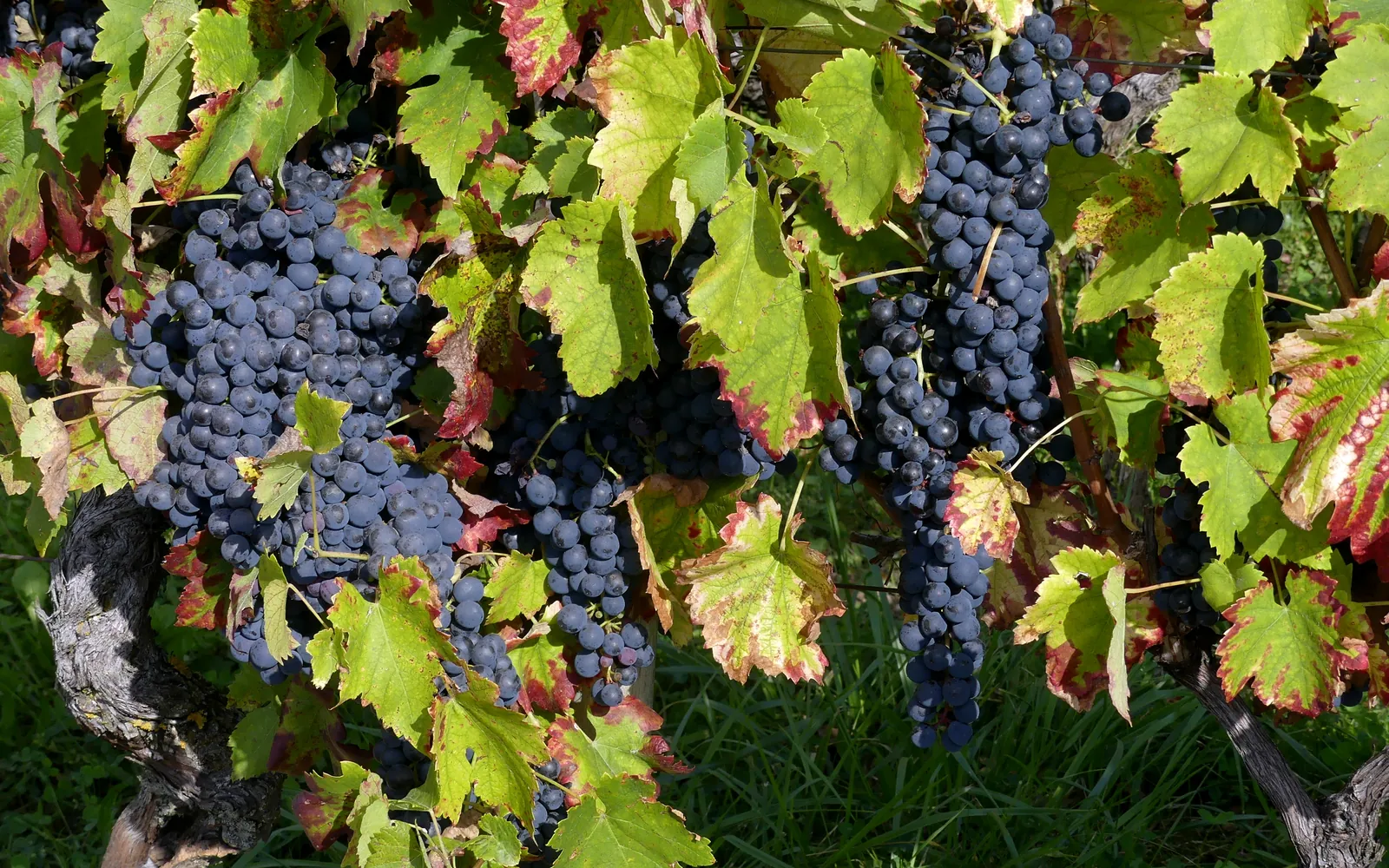
This guide shows how traditional farmers usually plant ubas. Use it as a starting point. For a higher yield, update it: plant certified seed or clean planting material, test your soil, and follow the right spacing and fertilizer.
How Filipino grape growers, best known in Bauang, La Union and spreading to Pangasinan, Cebu and backyards around the country, raise grapes from rooted cuttings on a trellis and time the pruning so the fruit ripens in the dry months. Red Cardinal is the usual variety. The vine needs more work than most fruit, mostly pruning and keeping the bunches dry.
Before you plant, get the field ready with our land preparation guide for fruit and plantation trees. For more on the crop, read pagtatanim ng puno.
When to plant ubas
Rooted cuttings are planted at the end of the rains or early in the dry season, about October to January, and watered by hand. The main crop is timed by pruning so the bunches ripen in the dry, hot months, about February to May. Rain on ripening grapes splits and rots them. Some farms prune again for a second, smaller crop later in the year.
What you plant
Cuttings from mature, brown, pencil thick canes saved at pruning time, each about 20 to 30 cm long with three or four buds, cut straight below a bud at the bottom and slanted above a bud at the top. They are rooted in bags of soil, sand and compost under light shade for one to two months until the roots fill the bag and the shoots have several leaves. Many growers buy rooted cuttings from La Union farms.
Paano magtanim ng ubas, step by step
Strong vines can give a first small crop at about 8 to 12 months. We count the first harvest at 12 months (360 days). Full crops come from the second year. The crop is ready about 12 months after planting.
Before planting (Bago magtanim)
30 days before planting: Build the trellis
Most farms build an overhead trellis (balag) of bamboo, wood or concrete posts and a grid of galvanized wire about 1.8 to 2 m high. Some use a single wire about 1.5 m high along the row. Make it strong, because a vine in fruit is heavy.
14 days before planting: Raise beds and dig holes
Grapes hate wet feet, so make raised beds or mounds on low ground. Dig holes about 50 cm wide and deep, about 2 to 3 m apart, and mix the topsoil with rotted manure or compost.
The nursery (Punlaan)
2 months before planting: Root the cuttings in bags
Stick each cutting upright in a bag of loose soil, sand and compost, burying two buds and leaving one or two above. Keep the bags in light shade and moist, not soggy. The buds push out in two to three weeks. Tip: Plant the cutting the right way up: the slanted top end stays above the soil.
- Take canes at pruning timeChoose sound, mature canes from healthy mother vines when you prune, a few weeks after a harvest. Use bare canes with no leaves left on them, and throw away any wood from a sick vine.
- Cut pieces with three or four budsCut each piece about 10 to 12 inches long with three or four plump buds. Four buds give a spare: if the bottom end rots, trim it back to the next bud and it can still root.
- Soak them in bundles4 to 5 daysTie the pieces in bundles, all with the bottom ends together, and stand them in clean water for four to five days so the buds and the base wake up.
- Start the roots in damp sand or paperabout 21 days in sandWrap the bottom ends of each bundle in damp newspaper inside a plastic bag kept in the shade, or bury the bundles in damp river sand. Some growers leave them in the sand about three weeks until short roots show.
- Scrape the base and bag themLightly scrape the brown skin off the lowest part of each cutting, then set it in a bag with a hole in the bottom, filled with loam or with equal parts of soil, compost and vermicast. Firm the soil around it.
- Keep them bright and out of the rain2 to 3 weeks to leafStand the bags in a bright spot where rain cannot reach them and water lightly. Leaves usually come out in two to three weeks.
- Bring them into the sun slowlyFarms that raise many vines give the young plants morning sun only for about 20 days, then most of the day's sun for about two months, and full sun for at least the last month before field planting.
Planting day (Pagtatanim)
Planting day: Plant the rooted cuttings
Cut away the bag, set the rooted cutting in the hole at the same depth it grew, firm the soil and water well. Push a bamboo stick beside it reaching up to the trellis.
Care while it grows (Pag aalaga)
Day 3: Mulch and water
Mulch the bed with rice straw or dry grass. Water at the base every two to three days in the dry months, never on the leaves.
Day 14: Train one main stem up
Keep the strongest shoot and tie it loosely to the stick as it grows. Pinch off side shoots and tendrils on the lower stem so the vine climbs fast.
Day 30: Feed every month
Scatter compost, vermicast or chicken manure around the vine every month, and growers who buy fertilizer add a small amount of complete fertilizer (14 14 14) away from the stem. Water after feeding.
Month 2: Weed the beds
Pull weeds by hand around the vines. The roots are shallow, so do not dig deep.
Month 3: Spread the arms on the trellis
When the main stem reaches the top, cut its tip so it splits, and train two to four arms along the wires. Let the canes grow and harden until they turn brown.
Month 8: Fruit pruning
When the canes are brown and mature and the dry season is near, cut each cane back to a short spur of a few buds, or to a longer cane of more buds as the grower prefers, and strip the old leaves. New shoots with flower bunches come out in one to two weeks. Tip: Time this so the fruit ripens in dry weather. Count back about three to four months.
- Wait about a month after harvestat least 1 month after harvestLet the vine rest and grow at least a month after the last picking before you prune again. Most farms here prune twice a year.
- Pick a dry spellNever prune on rainy days, because fresh cuts catch disease. If a typhoon is on its way, skip the pruning and let the vine rest until the weather turns.
- Cut the fruited canes backCut the canes that bore fruit back to short spurs of about two buds each. Growers who cane prune instead keep one or two long canes of about 8 to 12 buds and tie them along the wire.
- Save the good cuttingsKeep the healthy pieces you cut off to root new vines, and burn or bury those from sick vines.
- Feed after pruningSpread chicken manure or vermicast under the vine after pruning and water it in, so the new shoots and flower bunches come out strong.
Month 9: Thin shoots and bunches
Keep one or two bunches on each shoot and remove weak shoots, tendrils and small, poorly set bunches. Tie the fruiting shoots flat on the trellis so the bunches hang free.
Month 10: Watch for mildew and pests
Check the leaves and bunches often for white or downy mildew, anthracnose spots, mealybugs and thrips, and cut off sick parts. Many growers bag the young bunches in paper bags and net the trellis against birds and bats.
Harvest (Anihan)
Month 12: Cut ripe bunches
The first crop comes at about a year, roughly three to four months after the fruit pruning. Cut bunches with scissors when all the berries are fully colored and taste sweet, in the cool morning, holding them by the stalk, not the berries.
Month 13: Rest the vine, then prune again
After harvest, feed the vine and let it rest and grow new canes for about a month or more before the next fruit pruning.
Watering ubas, stage by stage
Grapes here are grown for the dry months and watered by hand, hose or furrow, every two to three days on young vines, always at the base and never on the leaves. Growers water most from flowering until the berries fill, ease off as the fruit ripens, and in the rains rely on raised beds and drains to keep the roots out of standing water. A watering can, hose or furrow along the raised beds on most farms. Drip lines along the rows on a few. Water in the early morning, at the base of the vine and never over the leaves.
The first month after planting the rooted cutting. Berry growth, from pea size berries until they start to color.
| Stage | When | How often | How much |
|---|---|---|---|
| Rooting cuttings in bags | 2 months before planting to planting day | Every day or two in light shade | Enough to keep the bag moist, never soggy |
| Planting to the first month | Planting day to day 30 | Soak at planting, again on the third day, then every 2 to 3 days in the dry months | A soak at the base of the vine, never on the leaves |
| Young vine climbing and spreading its arms | Day 30 to month 8 | About once a week once the vine is growing well, every 2 to 3 days on sandy soil in hot weeks | A deep soak of the bed along the vine |
| Before fruit pruning | Month 8 to 8 | Hold back water for about two weeks before pruning | None |
| Fruit pruning to flowering | Month 8 to 9 | Water right after pruning and feeding, then moderately, about once a week | A deep soak of the bed after pruning, lighter after that |
| Flowering to pea size berries | Month 9 to 10 | Moderate and steady, about once a week. Avoid frequent heavy watering | A soak at the base only |
| Berry growth | Month 10 to 12 | Every 5 to 7 days | A deep soak of the bed along the row |
| Ripening, the last one to two weeks | Month 12 to 12 | Stop watering about 8 to 15 days before cutting | None |
| Rest after harvest | Month 12 to 14 | Water with the after harvest feeding, then about once a week while new canes grow, every 10 to 12 days in the rains if the soil dries | A deep soak of the bed |
Without irrigation. Grapes cannot carry a good crop on rain alone here, because the crop is timed for the dry months to keep rain off the ripening berries. A grower without a pump plants near a well or stores water in drums, mulches the beds with rice straw or dry grass, and plants the rooted cuttings at the end of the rains so the soil still holds water.
In the dry season. Young vines every 2 to 3 days. Established vines about once a week, every 5 to 7 days while berries grow, and none in the last one to two weeks before harvest and the two weeks before fruit pruning. Water when leaves droop at midday or the soil a finger deep is dry.
In the rainy season. Grapes hate wet feet: plant on raised beds or mounds and keep drains open. Rain on ripening grapes splits and rots them, and wet leaves and heavy watering at flowering bring downy mildew, so water only at the base and never late in the day.
- Too little water: Leaves droop at midday and their edges brown and dry, berries stay small, and bunches come loose and uneven.
- Too much water: Long, soft shoots with big leaves and few bunches, mildew on leaves and flowers, yellow leaves on soggy beds, and berries that split.
To water better for a higher yield: Drip along the row under a straw mulch gives steady water while berries grow and keeps the leaves dry, which means bigger bunches and less mildew. Time the water to the pruning: hold back two weeks before fruit pruning and one to two weeks before harvest, and water well in between.
Spacing, water and fertilizer for ubas
Spacing
Vines about 2 to 3 m apart under an overhead trellis, or about 1.5 m apart in rows 3 m apart on a single wire. One rooted cutting a hole.
Water
Watered by hand, hose or furrow in the dry months, every two to three days on young vines, at the base and never on the leaves. Water matters most from flowering until the berries fill. Growers ease off as the fruit ripens. In the rains, raised beds and drains keep the roots out of standing water.
Fertilizer
Compost, vermicast and chicken manure every month or two are the base. Growers who buy fertilizer give complete fertilizer (14 14 14) in small doses through growth, then more potash, such as muriate of potash (0 0 60), as the bunches fill for color and sweetness. To read what a bag really gives, see our guide to fertilizer for this crop.
Care and harvest
Care while it grows
Training one stem up a stick, spreading arms on the trellis, fruit pruning timed for dry weather, thinning shoots and bunches, removing tendrils, tying shoots flat, bagging bunches, netting against birds, and cutting out sick leaves. Pruning is the habit that decides the crop.
When and how to harvest
Bunches are ready about three to four months after fruit pruning, when every berry is fully colored and sweet. They are cut with scissors in the cool morning, handled by the stalk, packed in single layers in shallow crates, and sold quickly, often straight to visitors at the farm.
Common mistakes when planting ubas
- Pruning at the wrong time so the grapes ripen in the rains and split or rot.
- Planting on low, wet ground with no raised beds.
- Leaving too many bunches on the vine, so the berries stay small and sour.
- Watering over the leaves, which spreads mildew.
- Building a weak trellis that sags or falls once the vine fruits.
- Picking before every berry is colored. Grapes do not sweeten after picking.
How to get a higher yield of ubas
The traditional way gets a crop, but small changes add up. These are the first things to change, one season at a time.
- Start from rooted cuttings of a proven variety for the lowlands, such as Red Cardinal, from a known farm.
- Test the soil, add lime where it is very sour, and feed by the result.
- Plan the fruit pruning calendar so harvest falls in the dry months.
- Bag bunches, net the trellis, and keep leaves dry with drip or base watering.
- Scout twice a week for mildew, anthracnose, mealybugs and thrips and use integrated pest management.
- Ask an experienced grower before using bud forcing treatments at pruning.
anee.io helps with each of these. The NPK Plus calculator checks that your fertilizer plan feeds the yield you want, the pest and disease finders tell you what is on the leaves before you spray, and Anee, the smart farm technician answers your questions in Tagalog or English.
Members open this guide in the How to Plant tool and send every step to the Protocol Builder in one tap, each on its own day. There you can change the seed, the spacing and the fertilizer, then turn it into a cropping calendar for your lots.
Start from the traditional way, make it better, and let anee.io date every task from your own planting day. Free to start.
Start freeQuestions about planting ubas
Paano magtanim ng ubas?
When do farmers plant ubas in the Philippines?
How far apart do you plant ubas?
How long before ubas can be harvested?
How often do you water ubas?
What do you plant to grow ubas?
See every step of planting it the traditional way
Register for free to read every step with its day, the spacing, water and fertilizer, the common mistakes and what to change for a higher yield. Then send it to your Protocol Builder in one tap.
Free to register. No credit card. Works on any phone.