Paano Magtanim ng Chico: How to Plant Chico the Traditional Way
Paano magtanim ng chico? Here is how traditional Filipino farmers usually plant tsiko (chico), step by step from getting the field ready to the harvest, with the day of each step and what to change for a higher yield.
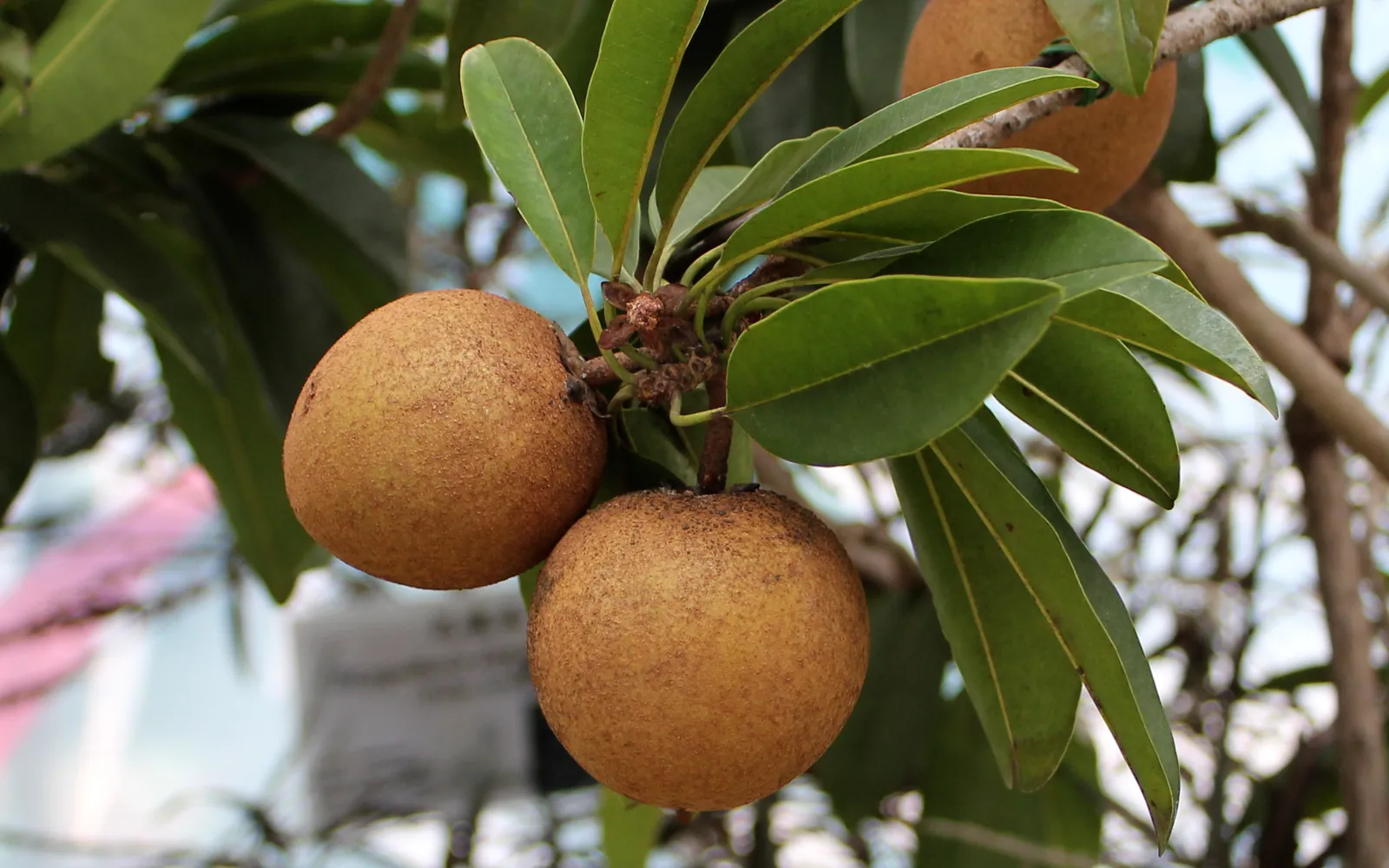
This guide shows how traditional farmers usually plant tsiko. Use it as a starting point. For a higher yield, update it: plant certified seed or clean planting material, test your soil, and follow the right spacing and fertilizer.
This guide shows how Filipino growers usually plant chico from a marcot or a grafted seedling and care for it until the first fruits. It is for backyards and small orchards, mostly with the common Pineras and the big fruited Ponderosa.
Before you plant, get the field ready with our land preparation guide for fruit and plantation trees. Then choose your seed or planting material with the tsiko varieties sold here. If the leaves turn pale later on, the tsiko nutrient deficiency guide helps you find what is missing. For more on the crop, read pagtatanim ng puno.
When to plant tsiko
Marcots and grafted seedlings are planted as the rains begin, around May to July. Chico stands drier places better than most fruit trees, and in the Philippines it flowers most around April to June, with the main harvest about December to February.
What you plant
In the old way growers make their own marcots: in the rainy season they girdle a fairly upright branch about 1 cm thick on a good bearing tree, wrap it in moist coir or soil and plastic, and cut it once roots fill the wrap, which can take 4 to 12 months. Many nurseries now sell cleft grafted seedlings on seedling rootstock. Trees from seed are slow to bear and many give poor crops.
Paano magtanim ng chico, step by step
Marcotted chico usually starts bearing at about 3 to 4 years and grafted trees at about 4 to 6 years. Fruits take about 6 to 8 months from flowering to maturity. The crop is ready about 4 years after planting.
Before planting (Bago magtanim)
14 days before planting: Mark and dig the holes
Mark the planting spots about 6 to 10 m apart, wider for big trees. Dig holes wider than the bag and mix the topsoil with compost or manure for filling back.
The nursery (Punlaan)
8 months before planting: Make the marcot
In the rainy season, pick a healthy, fairly upright branch about 1 cm thick on a heavy bearing tree. Peel a ring of bark, wrap the cut with moist coir or soil in plastic and tie both ends.
- Choose the mother tree and the branchPick a tree that bears every year, with good fruit and no pests or disease, and not too old. On it choose a branch about 1 cm thick, neither too young nor too old, growing upward in the sun, with no flowers or fruit on it.
- Mix the rooting ballMix garden soil with rice hull, or with mudpress from a sugar mill or coir dust where you can get it. Wet it until it holds together when squeezed but does not drip.
- Peel a ring of barkWith a clean, sharp knife, cut twice around the branch a short distance apart and peel off the bark between the cuts. Scrape off the slippery green layer under the bark too, or the bark heals over instead of making roots.
- Wrap and tieHold a piece of clear plastic around the branch below the ring, pack a ball of the moist mix over the whole ring, close the plastic around it and tie both ends tightly with plastic straw.
- Wait for the roots4 to 12 monthsChico roots slowly. Leave the wrap on the tree and look at it every few weeks, adding a little water at the top if the ball dries. It is ready when roots fill the ball and show all around through the plastic.
2 months before planting: Cut and pot the rooted marcot
When roots show all through the wrap, cut the branch below it, remove the plastic and plant it in a bag of loose soil. Keep it in light shade and water it until new leaves come.
- Cut it and bag itCut the branch just below the ball with sharp shears or a saw. Take off the plastic gently, without breaking the ball, and plant it in a 6 by 8 inch bag of two parts soil, one part compost and one part rice hull.
- Nurse it in the shade2 weeks in the shadeKeep the new plant in the shade, out of the rain, and water it daily. After two weeks move it where it gets some sun, and pick off any flowers so it grows roots and leaves first.
Planting day (Pagtatanim)
Planting day: Plant at the start of the rains
Remove the bag without breaking the soil ball and set the plant at the same depth. Fill in, press the soil, water well and tie the young tree to a stake against wind.
Care while it grows (Pag aalaga)
Day 1: Water in dry spells
Water the new tree whenever a dry spell comes until it is well rooted, and mulch around the base. Shade it lightly for the first weeks if the sun is harsh.
Day 30: Weed and give the first feeding
Keep a clean circle around the tree and give it a little complete fertilizer or manure, spread in a ring and covered. Feed at the start and again before the end of the rains each year, more as it grows.
Month 4: Check for pests
Look at new shoots and fruits for mealybugs, scale insects and fruit borers, and cut off and burn badly hit twigs. Keep fallen leaves and fruit cleaned up.
Month 12: Light shaping only
Chico needs little pruning since flowers come near the shoot tips. On upright trees cut back the main leader early so side branches form, and later remove low branches that touch the ground.
Harvest (Anihan)
Year 4: First fruits
Pick once the green skin has gone a dull yellowish brown, the brown powder wipes off with a thumb and the fruit leaves little sap when it comes off the branch. Soak the fruits in water so the sap bleeds out, scrub off the powder and let them ripen in 3 to 7 days.
Watering tsiko, stage by stage
Chico is one of the hardiest fruit trees here and most trees live on rain alone: a new marcot is watered in dry spells until it takes hold, then left to the weather. In the drier provinces some growers water bearing trees through flowering and fruit growth, since flowers and young fruits drop in very dry soil. A pail or hose into a ring basin around young trees. Basin or furrow watering for bearing trees where a well or creek is near. Water in the cool early morning or late afternoon.
The first months after planting a marcot, until it is clearly growing. Flowering and fruit set, since moisture stress sheds the flowers and fruitlets.
| Stage | When | How often | How much |
|---|---|---|---|
| Rooted marcot in the bag | 2 months before planting to planting day | Every day or every other day in light shade, until new leaves come | Enough to wet the bag right through |
| Planting to new growth | Planting day to month 2 | Soak at planting, then about twice a week until the tree is clearly growing | A good soak of a ring basin around the stem |
| Rest of the first two years | Month 2 to 24 | Every 1 to 2 weeks in the dry months, by soil and weather. Not needed in the rains | A deep soak of the mulched ring |
| Year 3 to the first flowers | Month 24 to 41 | Every 2 weeks or so in long dry spells where water is near | A deep soak of the ring, widened as the tree grows |
| Flowering and fruit set (main flowering about April to June) | Month 41 to 43 | Every 1 to 2 weeks if no rain falls | A deep soak of the ground under the crown |
| Fruit growth to harvest | Month 43 to 48 | Every 2 weeks or so in long dry spells, until picking | A deep soak under the crown |
Without irrigation. Plant at the start of the rains, mulch the base and stake the young tree. Chico grows on as little as about 1,000 mm of rain a year and bears on rain alone in most places, but it does best where the dry season is short. In dry provinces, a pail of water to young trees every week or two in their first dry seasons keeps them from losing their leaves.
In the dry season. Young trees every 1 to 2 weeks. Bearing trees every 2 weeks or so in long dry spells from flowering to harvest. Water when the soil a hand deep is dry or when a young tree starts to drop leaves.
In the rainy season. Chico takes an occasional flood better than most fruit trees, but long wet spells and poorly drained soil slow growth and cut the crop. Plant on ground that drains or on a low mound, and open drains from spots where water stands after rain.
- Too little water: Leaves droop, yellow and fall early on young trees, growth stops, and flowers and small fruits drop.
- Too much water: Slow growth, yellowing leaves and a light crop on soil that stays soggy.
To water better for a higher yield: A deep soak every week or two from flowering to harvest in dry provinces holds more flowers and fruits and gives bigger chico. Water young trees through their first two dry seasons. They grow faster and bear sooner.
Spacing, water and fertilizer for tsiko
Spacing
About 6 to 10 m between trees, one plant a hole. Some growers use about 9 m between rows and 6 to 7 m in the row. Planting two varieties near each other helps fruit set, since some kinds need pollen from another tree.
Water
Mostly rain fed. New trees are watered in dry spells until they take hold. Bearing trees in dry places do better with water during flowering and fruit growth, since flowers and young fruits drop when the soil is too dry.
Fertilizer
Compost or manure in the hole. Young trees get a little complete fertilizer or manure at the start and again before the end of the rains, more each year. Grown trees need a lot of nitrogen with some phosphorus and potash, spread in a ring under the edge of the canopy at the same two times. To read what a bag really gives, see our guide to fertilizer for this crop.
Care and harvest
Care while it grows
Staking and mulching young trees, weeding a circle around them, very light pruning, removing sagging low branches, and checking for mealybugs, scale and fruit borers. Bees help set fruit, so growers avoid harming them.
When and how to harvest
Fruits take about 6 to 8 months from flowering to maturity, and the main crop in the Philippines comes about December to February. Mature fruits are yellowish brown, the brown bloom rubs off easily, and little sap flows when the fruit is pulled off. Growers test a few first. After picking, the fruits are soaked so the sap bleeds out, scrubbed, dried stalk end down and left to ripen in 3 to 7 days.
Common mistakes when planting tsiko
- Planting seedlings from seed, which take many years and often bear poorly.
- Picking fruits that are still green under the bloom, so they never ripen sweet.
- Skipping the soak after picking, so sap hardens inside the fruit.
- Pruning hard, which cuts off the shoot tips where flowers form.
- Planting a lone Ponderosa tree with no other variety nearby for pollen.
- Letting young trees dry out in their first dry season.
How to get a higher yield of tsiko
The traditional way gets a crop, but small changes add up. These are the first things to change, one season at a time.
- Use marcots or grafted seedlings from a proven, heavy bearing tree or an accredited nursery.
- Test the soil and feed by the result, twice a year at the start and end of the rains.
- Water during flowering and fruit growth in dry places to stop flower and fruit drop.
- Plant two or more varieties near each other for better fruit set.
- Scout for mealybugs, scale and fruit borers and clean up fallen fruit.
- Sort and bleed the fruits right after picking for a better price.
anee.io helps with each of these. The NPK Plus calculator checks that your fertilizer plan feeds the yield you want, the pest and disease finders tell you what is on the leaves before you spray, and Anee, the smart farm technician answers your questions in Tagalog or English.
Members open this guide in the How to Plant tool and send every step to the Protocol Builder in one tap, each on its own day. There you can change the seed, the spacing and the fertilizer, then turn it into a cropping calendar for your lots.
Start from the traditional way, make it better, and let anee.io date every task from your own planting day. Free to start.
Start freeQuestions about planting tsiko
Paano magtanim ng chico?
When do farmers plant tsiko in the Philippines?
How far apart do you plant tsiko?
How long before tsiko can be harvested?
How often do you water tsiko?
What do you plant to grow tsiko?
See every step of planting it the traditional way
Register for free to read every step with its day, the spacing, water and fertilizer, the common mistakes and what to change for a higher yield. Then send it to your Protocol Builder in one tap.
Free to register. No credit card. Works on any phone.