Paano Magtanim ng Cherry: How to Plant Cherry the Traditional Way
Paano magtanim ng cherry? Here is how traditional Filipino farmers usually plant cherry, step by step from getting the field ready to the harvest, with the day of each step and what to change for a higher yield.
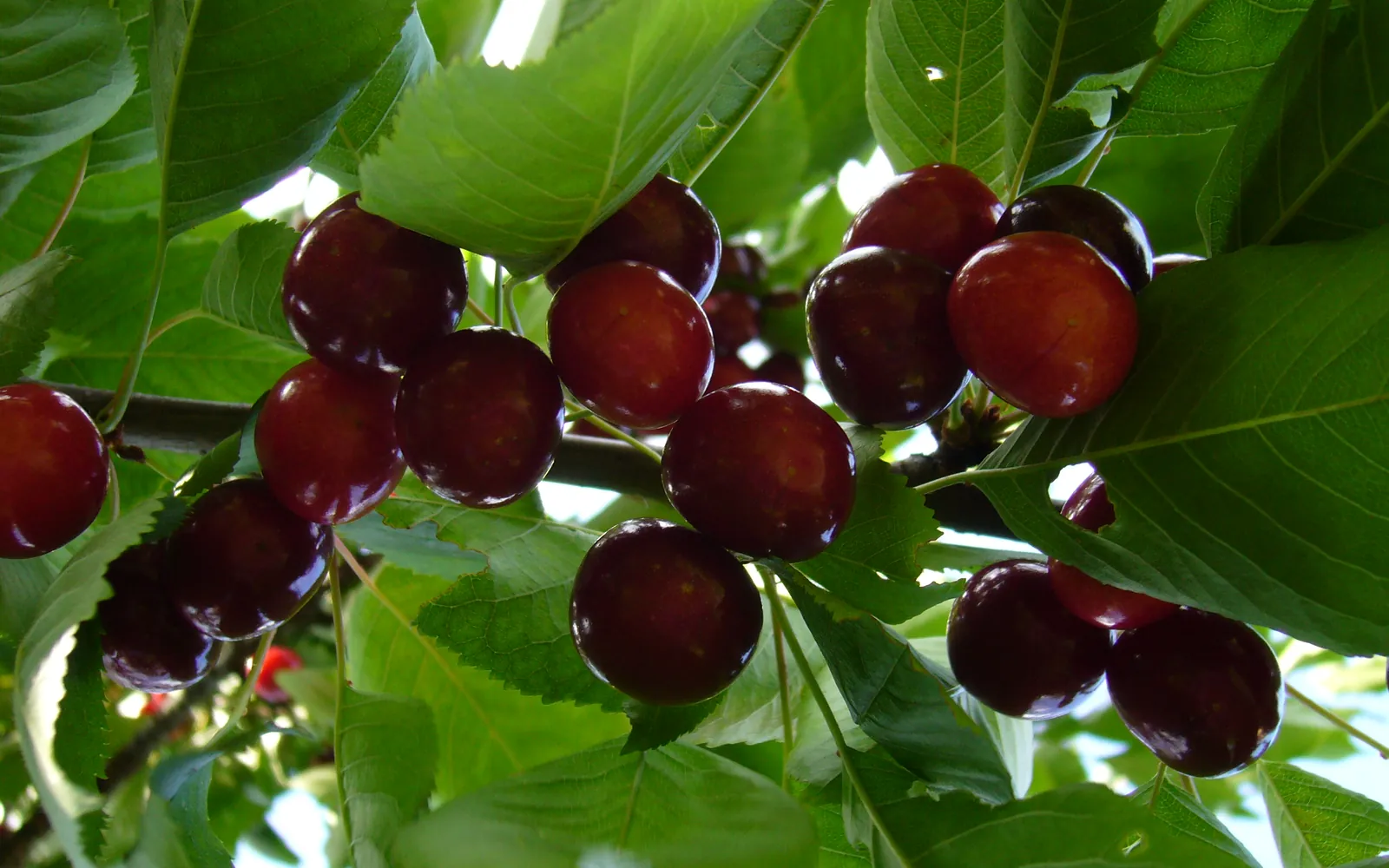
This guide shows how traditional farmers usually plant cherry. Use it as a starting point. For a higher yield, update it: plant certified seed or clean planting material, test your soil, and follow the right spacing and fertilizer.
Sweet cherry is almost never grown in the Philippines: it needs a long cold winter, so only a few hobbyists in the coolest highland towns such as Baguio and Benguet keep potted trees, which rarely fruit. Farmers who want a cherry like fruit here grow aratiles or acerola, which bear easily in the lowlands. This short guide covers the few highland attempts.
Before you plant, get the field ready with our land preparation guide for fruit and plantation trees. For more on the crop, read pagtatanim ng puno.
When to plant cherry
Trees are set out at the start of the rains, about May to July, in the highlands. Without enough cold, flowering is weak and irregular.
What you plant
Grafted trees of low chill cherry types from a specialty nursery, kept in big pots or planted on the coolest high ground. Trees from seed seldom bear.
Paano magtanim ng cherry, step by step
We count the first harvest at about 48 months (1,440 days). Most trees here never bear well. The crop is ready about 4 years after planting.
Before planting (Bago magtanim)
14 days before planting: Choose the coolest spot
Pick the highest, coolest sunny ground, with fast drainage, or a large pot of loose soil and compost.
Planting day (Pagtatanim)
Planting day: Plant at the start of the rains
Set the grafted tree at the same depth, graft joint above the soil, about 4 to 5 m apart. Firm, water, stake and mulch.
Care while it grows (Pag aalaga)
Month 3: Feed and prune lightly
Give compost and a little complete fertilizer (14 14 14) every few months, and keep a few wide branches so light gets in.
Harvest (Anihan)
Year 4: Pick any ripe fruit
We count the first crop at about 48 months. Pick cherries with their stalks when fully colored, and net the tree against birds.
Watering cherry, stage by stage
The rare cherry trees here grow in big pots or on the coolest high ground and live on rain, with a pail of water in dry spells. A pail or hose into a ring basin, or a watering can for pots, in the morning.
Flowering to about four weeks after bloom. The last three weeks before picking.
| Stage | When | How often | How much |
|---|---|---|---|
| Planting to 3 months | Planting day to month 3 | Soak at planting, then whenever the soil dries in a dry spell, until the tree is clearly growing | A good soak of the mulched ring around the stem |
| Rest of the first year | Month 3 to 12 | Only in dry spells, when the soil a hand deep is dry | A deep soak of the ring, never leaving water standing |
| Flowering to four weeks after bloom (in a year it flowers) | Month 43 to 44 | Never let the soil dry out | A deep soak whenever the soil a hand deep is dry. A pot every day or two |
| Final swell, the last three weeks before picking | Month 47 to 48 | Steady water in dry spells | A deep soak of the ring |
Without irrigation. Plant as the rains begin on the coolest sunny ground with fast drainage, or in a big pot of loose soil and compost. In the ground, rain carries the tree with a pail of water in dry spells.
In the dry season. Trees in the ground when the soil a hand deep is dry. Trees in pots every day or two in dry, sunny weather.
In the rainy season. Cherry roots rot in wet soil: never plant where water stands, and make sure pots drain freely.
- Too little water: Leaves droop and brown at the edges, and fruits drop or stay small.
- Too much water: Yellow leaves and dying roots in soggy soil or a pot that does not drain.
To water better for a higher yield: Keep the soil steadily moist at flowering and in the last three weeks before picking.
Spacing, water and fertilizer for cherry
Spacing
About 4 to 5 m between trees, or one to a large pot.
Water
Rain fed, with watering in dry spells. Never in standing water.
Fertilizer
Compost, rotted manure and small amounts of complete fertilizer (14 14 14). To read what a bag really gives, see our guide to fertilizer for this crop.
Care and harvest
Care while it grows
Light pruning, steady feeding, netting against birds.
When and how to harvest
The few fruits are picked by hand with their stalks when fully colored.
Common mistakes when planting cherry
- Buying imported cherry trees for the lowlands, where they will not fruit.
- Confusing sweet cherry with aratiles or acerola, which are different plants.
- Planting in heavy, wet soil.
How to get a higher yield of cherry
The traditional way gets a crop, but small changes add up. These are the first things to change, one season at a time.
- For a sure crop, plant aratiles or acerola, which bear in the lowlands.
- If you try sweet cherry, use only low chill types in cool highlands and keep notes.
- Test the soil and feed by the result.
anee.io helps with each of these. The NPK Plus calculator checks that your fertilizer plan feeds the yield you want, the pest and disease finders tell you what is on the leaves before you spray, and Anee, the smart farm technician answers your questions in Tagalog or English.
Members open this guide in the How to Plant tool and send every step to the Protocol Builder in one tap, each on its own day. There you can change the seed, the spacing and the fertilizer, then turn it into a cropping calendar for your lots.
Start from the traditional way, make it better, and let anee.io date every task from your own planting day. Free to start.
Start freeQuestions about planting cherry
Paano magtanim ng cherry?
When do farmers plant cherry in the Philippines?
How far apart do you plant cherry?
How long before cherry can be harvested?
How often do you water cherry?
What do you plant to grow cherry?
See every step of planting it the traditional way
Register for free to read every step with its day, the spacing, water and fertilizer, the common mistakes and what to change for a higher yield. Then send it to your Protocol Builder in one tap.
Free to register. No credit card. Works on any phone.