Paano Magtanim ng Blueberry: How to Plant Blueberry the Traditional Way
Paano magtanim ng blueberry? Here is how traditional Filipino farmers usually plant blueberry, step by step from getting the field ready to the harvest, with the day of each step and what to change for a higher yield.
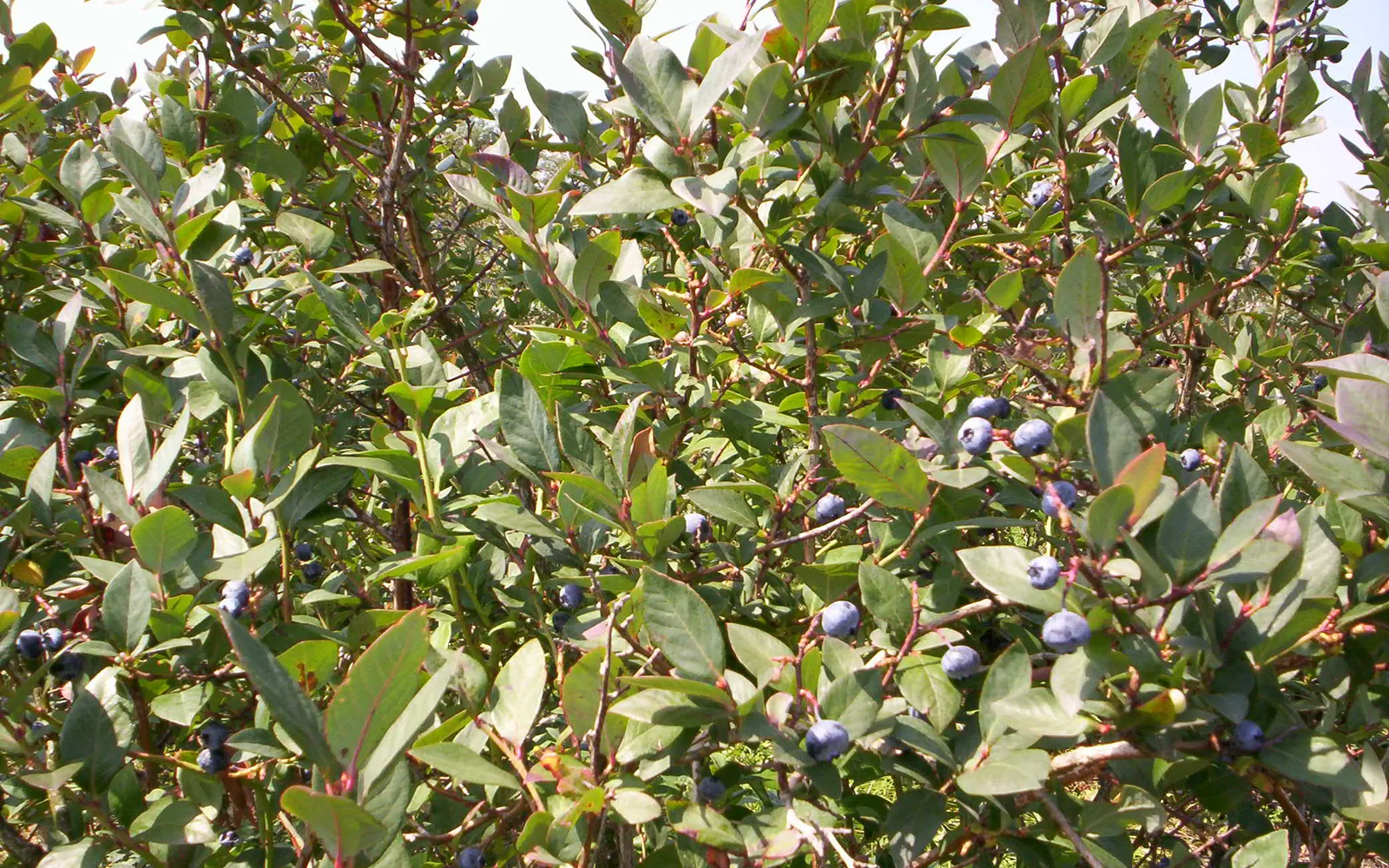
This guide shows how traditional farmers usually plant blueberry. Use it as a starting point. For a higher yield, update it: plant certified seed or clean planting material, test your soil, and follow the right spacing and fertilizer.
Blueberry is rare in the Philippines: there are no blueberry farms, only wild native blueberries such as ayusip in the Benguet mountains, now being raised in plots to save them, and a few hobby growers with imported bushes in pots in Baguio and other cool highland towns. This short guide covers how those few growers keep them alive, which comes down to cool air and very sour soil.
Before you plant, get the field ready with our land preparation guide for fruit and plantation trees. For more on the crop, read pagtatanim ng puno.
When to plant blueberry
Plants are set out at the start of the rains, about May to July, in the highlands. Bushes flower and fruit in the cool, drier months. Wild ayusip fruits in the mountains in season and is picked by locals and hikers.
What you plant
Nursery plants in pots, either imported low chill bush types or rooted cuttings, or native ayusip raised from cuttings. Plants are moved with a full ball of soil around the roots. Bare root plants bear less.
Paano magtanim ng blueberry, step by step
Bushes usually give their first real berries at about 30 months (900 days). The crop is ready about 30 months after planting.
Before planting (Bago magtanim)
14 days before planting: Make very sour soil
Blueberries need soil far more sour than most crops, about pH 4.5 to 5.5. Highland growers fill big pots or raised beds with composted pine needles, pine bark, rotted leaves and a little garden soil.
Planting day (Pagtatanim)
Planting day: Plant with the soil ball whole
Set each plant at the same depth it grew, keeping the soil ball unbroken, about 1 to 1.5 m apart, and plant at least two types together so they pollinate each other. Mulch thickly with pine needles.
Care while it grows (Pag aalaga)
Day 7: Water with soft water
Keep the soil evenly damp, never dry and never soggy. Rain water is best, since hard tap water slowly makes the soil less sour.
Month 2: Feed lightly with sour feeds
Top up the pine needle mulch and feed small amounts of ammonium sulfate (21 0 0) or acid compost now and then. Skip lime, ash and fresh manure.
Month 12: Prune out old canes
Pinch off flowers in the first year so the bush grows. From the second year, cut out weak, dead and very old canes after fruiting.
Harvest (Anihan)
Month 30: Pick fully blue berries
The first real crop comes at about 30 months. Pick berries a few days after they turn fully blue, rolling them off gently with the thumb. Net the bushes against birds.
Watering blueberry, stage by stage
The few blueberry growers in the highlands keep the beds or pots evenly damp, with rain water where they can, under a thick pine needle mulch. Wild ayusip lives on mountain rain. A watering can with rain water on the bed or pot, in the morning. Hard tap water slowly makes the soil less sour.
The first two months after planting. Berry growth, from flowering to picking.
| Stage | When | How often | How much |
|---|---|---|---|
| Planting to new growth | Planting day to month 2 | Every day or two in dry weather. Pots may need water every day | Enough to wet the whole root ball, never soggy |
| First and second year | Month 2 to 24 | Whenever the top of the bed or pot is dry, a little often rather than a lot at once | About 2.5 to 4 cm of water a week in total in dry weather |
| Flowering and berry growth to harvest | Month 26 to 30 | Keep evenly damp. Pots every day in dry, sunny weeks | About 2.5 to 4 cm of water a week in total |
Without irrigation. Plant as the rains begin and keep a thick pine needle mulch. In the misty highlands rain and fog carry the bushes much of the year, with hand watering in dry weeks. Rain water also keeps the soil sour, which blueberry needs.
In the dry season. Every day or two, more often for pots. Water when the top of the bed or pot feels dry or the young leaves droop.
In the rainy season. Blueberry roots rot in standing water: use raised beds or pots that drain freely, and never let water pool.
- Too little water: Young leaves droop, leaf edges turn brown and dry, and berries stay small.
- Too much water: Yellow leaves, dying roots and a sour smell in a bed or pot that does not drain.
To water better for a higher yield: Water a little and often with rain water under a thick pine needle mulch, so the shallow roots stay evenly damp.
Spacing, water and fertilizer for blueberry
Spacing
About 1 to 1.5 m between bushes in beds, or one bush to a large pot. At least two types near each other for pollination.
Water
Kept evenly damp with rain water where possible. The shallow roots dry out fast and also rot in standing water.
Fertilizer
Pine needle compost and mulch, small amounts of ammonium sulfate (21 0 0). No lime, no ash, no fresh manure. To read what a bag really gives, see our guide to fertilizer for this crop.
Care and harvest
Care while it grows
Pine needle mulch, steady watering, removing first year flowers, pruning old canes after fruiting, netting against birds.
When and how to harvest
Berries are picked a few days after turning fully blue, by hand, into shallow containers, and eaten or sold fresh within days. Wild ayusip is gathered in the mountains in small amounts.
Common mistakes when planting blueberry
- Planting in ordinary garden soil that is not sour enough, so the leaves turn yellow and the plant dies.
- Trying to grow them in the hot lowlands.
- Adding lime, ash or manure as for other crops.
- Planting a single type, so few berries set.
How to get a higher yield of blueberry
The traditional way gets a crop, but small changes add up. These are the first things to change, one season at a time.
- Grow only in cool highlands and test the soil pH before planting.
- Buy low chill types bred for warm places from a nursery you trust.
- Raise native ayusip from cuttings instead of digging plants from the wild.
- Keep records of flowering and fruiting. There is little local experience yet.
anee.io helps with each of these. The NPK Plus calculator checks that your fertilizer plan feeds the yield you want, the pest and disease finders tell you what is on the leaves before you spray, and Anee, the smart farm technician answers your questions in Tagalog or English.
Members open this guide in the How to Plant tool and send every step to the Protocol Builder in one tap, each on its own day. There you can change the seed, the spacing and the fertilizer, then turn it into a cropping calendar for your lots.
Start from the traditional way, make it better, and let anee.io date every task from your own planting day. Free to start.
Start freeQuestions about planting blueberry
Paano magtanim ng blueberry?
When do farmers plant blueberry in the Philippines?
How far apart do you plant blueberry?
How long before blueberry can be harvested?
How often do you water blueberry?
What do you plant to grow blueberry?
See every step of planting it the traditional way
Register for free to read every step with its day, the spacing, water and fertilizer, the common mistakes and what to change for a higher yield. Then send it to your Protocol Builder in one tap.
Free to register. No credit card. Works on any phone.