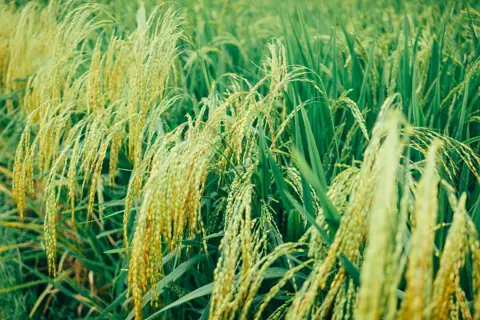
NSIC Rc 13 (Malagkit 1) Rice Variety: Yield, Maturity and Characteristics
NSIC Rc 13 is a glutinous inbred rice variety for irrigated lowland, known locally as Malagkit 1. The NSIC approved it in 2004. It matures in about 120 days and averages 4.7 tonnes per hectare, with a top yield of 6.1 tonnes in trials.
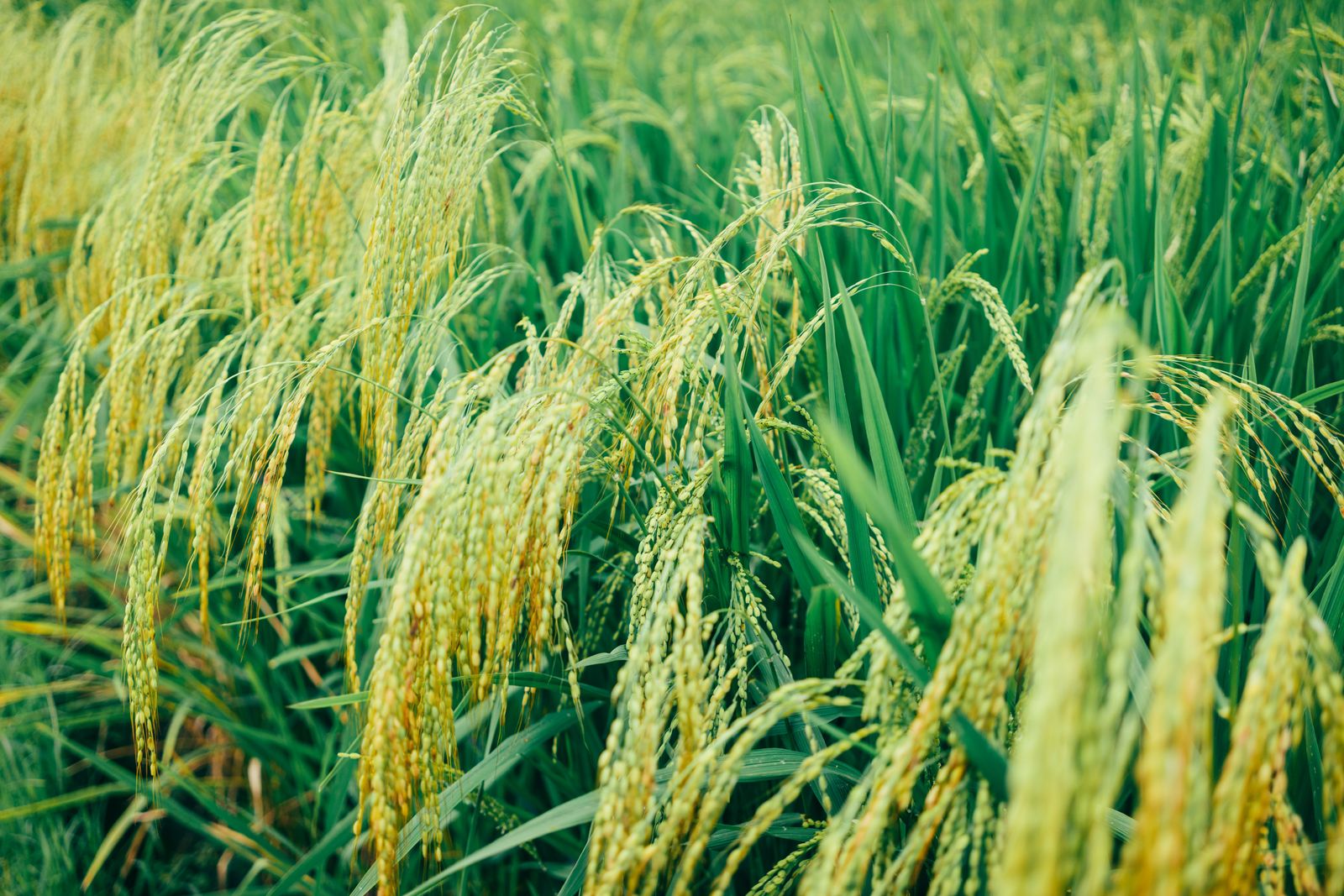
The average and top yields in tonnes per hectare come from the trials each variety went through to be registered with the NSIC, and from what the seed companies say about their own seed.
What farmers harvest today can be different. Newer harvest records, the season, the place, the soil, the water and the care all move these numbers over time.
So use them to compare varieties, not as a promise for your field. Ask your seller or your agriculturist how the variety did on farms near you in the last few seasons.
If you came here looking for rice variety 13, or Rc 13, this is the one. Compare it with the other varieties in our rice variety finder before you buy seed. Also read our guide to rice varieties in the Philippines for how inbreds, hybrids and special rice differ.
- Maturity: about 120 days after sowing.
- Yield: 4.7 tonnes per hectare on average, or about 94 cavans of 50 kilograms. The best trial reached 6.1 tonnes.
- Season: Dry season and wet season.
- Watch out for: rice blast, tungro, brown planthopper, green leafhopper, sheath blight.
- Cooked rice: very low amylose, so soft and tender.
Key facts about NSIC Rc 13
| Trait | Value |
|---|---|
| Year approved | 2004 |
| Local name | Malagkit 1 |
| Type | Glutinous inbred |
| Growing environment | Irrigated lowland |
| Recommended season | Dry season and wet season |
| How to plant it | Dry direct seeded, transplanted, wet direct seeded |
| Recommended for | The whole country |
| Maturity | 120 days after sowing |
| Average yield | 4.7 t/ha |
| Top yield in trials | 6.1 t/ha |
| Plant height | 92 cm |
How much does NSIC Rc 13 yield?
On average it gives 4.7 tonnes per hectare. That is about 94 cavans of 50 kilograms of palay. It sits below the average of the 118 irrigated lowland inbreds on the list, which is 5.2 tonnes. But the top yield, 6.1 tonnes, came from a trial with good water, seed and care. So plan your costs on the average, then work toward the top with the habits in our guide to raising rice yield per hectare.
How many days does it take to mature?
It takes about 120 days from sowing to harvest. Varieties of 100 to 120 days count as short duration and 120 to 140 days as medium, so this one counts as short duration. Then harvest when 85 to 90 percent of the grains turn golden yellow. Because the day count drives every task, anee.io counts it for you from each lot's own planting day, with the growth stages and weather beside it.
Is it resistant to pests and diseases?
| Pest or disease | Rating | What it means |
|---|---|---|
| Rice blast | Susceptible | Took heavy damage |
| Bacterial leaf blight | Intermediate | Took a middling share of damage |
| Tungro | Susceptible | Took heavy damage |
| Brown planthopper | Moderately susceptible | Took clear damage |
| Green leafhopper | Moderately susceptible | Took clear damage |
| Stem borer | Intermediate | Took a middling share of damage |
| Sheath blight | Susceptible | Took heavy damage |
So scout early for rice blast, tungro, brown planthopper, green leafhopper, sheath blight. When you see the first signs, check the guide before you spray, because the right timing saves more than an extra dose. If you are not sure what you see, our pest and disease finders help you name it from the damage.
Grain and eating quality
| Measure | Value | Class |
|---|---|---|
| Amylose | 4.5 percent | Very low |
| Milling recovery | 64.5 percent | Grade 2 |
| Head rice | 50.2 percent | Grade 1 |
| Chalky grains | 2.9 percent | Grade 1 |
| Grain length | 6 mm | Medium |
| Grain shape, length to width | 2.9 | Intermediate |
Amylose decides how rice cooks. With very low amylose, expect rice that is very soft and sticky. In fact, Filipino taste has moved from high to intermediate and low amylose rice, because people want it softer. Head rice is the share of whole grains after milling. So a higher number means fewer broken grains and a better price at the mill.
Where should you plant it?
It suits irrigated lowland, where you control the water. Level the field well so the water stands evenly, and plant together with the farms around you, so pests cannot move from field to field. Our guide to rice land preparation shows each step. It is recommended for the dry season and the wet season. You can plant it dry direct seeded, transplanted or wet direct seeded. For the right month in your province, see the best time to plant rice.
Set the planting day of each lot and anee.io dates every task to harvest, with the weather beside it. Free on the Libre plan.
Start freeVarieties like this one
These come from the same kind of farm and grow about as long. So if seed of this one is hard to find, compare these first.
- NSIC Rc 122: 121 days, 4.7 tonnes per hectare on average, 2003
- NSIC Rc 642SR: 118 days, 4.8 tonnes per hectare on average, 2021
- BPI Ri 1: 120 days, 4.3 tonnes per hectare on average, 1979
- NSIC Rc 21SR: 122 days, 4.5 tonnes per hectare on average, 2011
What is the local name of NSIC Rc 13?
How many days does NSIC Rc 13 take to harvest?
What is the average yield of NSIC Rc 13?
In which season should I plant it?
Is this variety a hybrid?
What should I watch for when I plant it?
See how NSIC Rc 13 will do on your farm
With Libre + Anee, see its full record: how it yields, its strengths and weaknesses against pests, diseases and the weather, and whether it fits your farm, your season and your soil.
The account is free, no credit card.