Paano Magtanim ng Sunflower: How to Plant Sunflower the Traditional Way
Paano magtanim ng sunflower? Here is how traditional Filipino farmers usually plant mirasol (sunflower), step by step from getting the field ready to the harvest, with the day of each step and what to change for a higher yield.
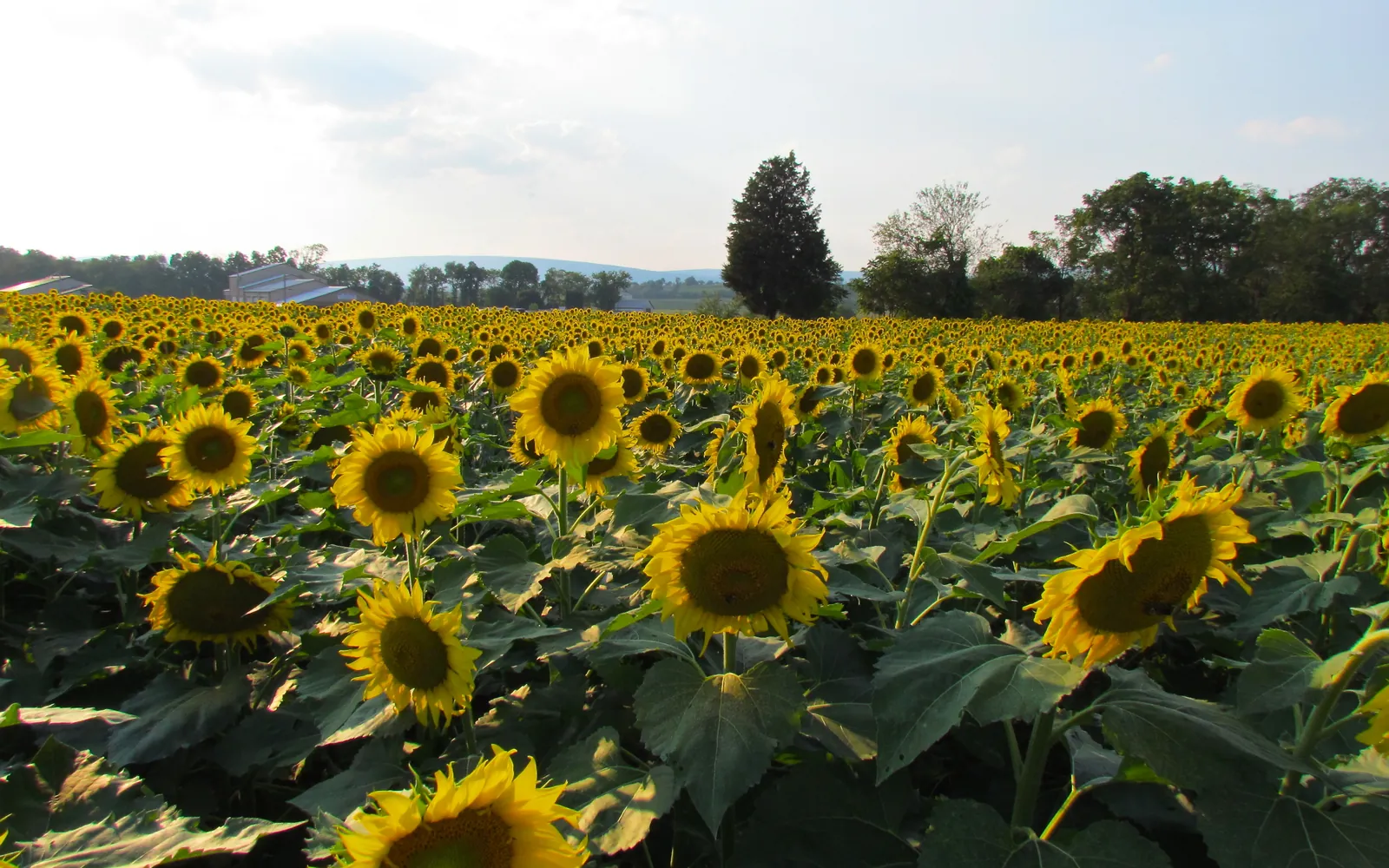
This guide shows how traditional farmers usually plant mirasol. Use it as a starting point. For a higher yield, update it: plant certified seed or clean planting material, test your soil, and follow the right spacing and fertilizer.
Sunflower is not yet a common field crop here. Most Filipino growers plant it for flower farms in Quezon, Laguna, Pangasinan and Ilocos, for bees and chickens, and a few for seed on rice land in the dry season. This guide shows how those growers usually sow it straight in the field or raise seedlings in trays, and how they harvest the seed heads.
Before you plant, get the field ready with our land preparation guide for every crop.
When to plant mirasol
Best in the dry season, sown from about November to February on rice land after the wet season harvest or on upland fields with water, so the heads ripen in dry, sunny weather. Flower farms sow in batches through the year where water is at hand, but heavy rain at flowering rots the heads.
What you plant
Seed bought fresh each season, usually a hybrid for big single heads, or an open pollinated type for flowers and bird seed. Growers sow it dry and straight in the field, or raise seedlings in trays for flower farms and transplant them at about two to three weeks.
Paano magtanim ng sunflower: sown straight in the field
This is the sown straight in the field way (Sown straight in the field). Days from sowing. Flowers open at about 55 to 70 days, which is when flower farms open for visitors. Seed heads are ready at about 90 to 110 days. The crop is ready about 100 days after sowing.
Sown straight in the field: before planting (Bago magtanim)
14 days before sowing: Plow and harrow
Plow and harrow the field once or twice until the soil is loose, and open shallow furrows about 50 to 75 cm apart. On wet rice land, make raised beds or drains so water does not stand.
Sown straight in the field: planting day (Pagtatanim)
Sowing day: Put the first fertilizer in the furrow
Drop complete fertilizer (14 14 14) or compost along the furrow and cover it with a little soil before sowing.
Sowing day: Sow two seeds a hill
Sow two seeds about 2 to 3 cm deep every 20 to 30 cm along the furrow and cover them. Water lightly if the soil is dry.
Sown straight in the field: care while it grows (Pag aalaga)
Day 10: Thin to one plant
When the seedlings have two to four leaves, pull out the weaker one in each hill so one strong plant is left. Fill empty hills with the extra seedlings.
Day 21: Weed and side dress
Hoe out the weeds, then put urea (46 0 0) beside the rows and cover it with soil.
Day 30: Hill up
Pull soil against the stems to bury the fertilizer and the young weeds and keep the tall plants from falling over in the wind.
Day 35: Water in dry spells
Water by furrow or hose when the soil is dry, most of all at budding and flowering, and stop once the backs of the heads start to yellow.
Day 60: Watch the heads
Look for worms in the heads and on the leaves, and for gray or brown rot on the back of the head after rain. As the seeds fill, guard the field from birds or cover the heads with net or paper bags.
Sown straight in the field: harvest (Anihan)
Day 100: Cut the ripe heads
Cut the heads when the back has turned from yellow to brown, the small leaves around the head have dried and the seeds are hard. Leave a short piece of stalk.
Day 101: Dry and thresh
Dry the heads face up in the sun for a few days, rub or beat out the seeds, clean them and dry them again until they crack when bitten before storing in sealed sacks.
- Cut the heads with a stalkCut each brown, dry head with sharp shears or a bolo about six inches below it, so you have a handle to carry and turn it.
- Dry the heads face upa few daysLay the heads face up on mats or a clean floor in the sun for a few days, and bring them in or cover them at night and when rain comes.
- Rub out the seedsRub the palm of your hand hard across the face of each head, or beat it against a board or inside a sack, until the seeds fall free.
- Clean the seedWinnow out the dry flower bits, chaff and empty seeds in the wind or in front of a fan.
- Dry again and bite to testSpread the clean seed in the sun again until a seed cracks when you bite it instead of bending.
- Store it sealedKeep seed for the next planting in a tightly closed container in a cool, dry place, and pack seed for sale in sealed sacks raised off the floor.
Seedlings from trays, step by step
This is the seedlings from trays way (Seedlings from trays (punla)). Days from transplanting. The seedlings spend about 2 to 3 weeks in trays first. Blooms open at about 40 to 50 days after transplanting and seed heads ripen at about 80 days. Used mostly on flower farms for even rows of blooms. The crop is ready about 80 days after transplanting.
Seedlings from trays: the nursery (Punlaan)
18 days before transplanting: Sow in trays
Fill seedling trays with a light mix of soil, compost and rice hull, sow one seed a cell and keep the trays watered in light shade.
Seedlings from trays: planting day (Pagtatanim)
Transplanting day: Transplant the seedlings
In the late afternoon, set the seedlings with two to four true leaves into holes about 20 to 30 cm apart in rows 50 to 75 cm apart, press the soil and water them.
Seedlings from trays: care while it grows (Pag aalaga)
Day 14: Weed and feed
Hoe the weeds and side dress with urea or a complete fertilizer, then hill up the rows.
Day 25: Water and stake
Water every few days in dry weather and tie tall plants to stakes in windy spots.
Seedlings from trays: harvest (Anihan)
Day 45: Cut or show the flowers
For cut flowers, cut the stems in the early morning when the petals start to open. Flower farms leave the blooms standing for visitors.
Day 80: Cut the seed heads
For seed, wait until the backs of the heads turn brown and the seeds are hard, then cut, sun dry and thresh them.
Watering mirasol, stage by stage
Sown straight in the field: how to water
Sunflower sown after rice in the dry season starts on the moisture left in the field. Growers then water down the furrows or by hose in dry spells, above all at budding and flowering, and stop once the heads begin to ripen. Furrow watering from a pump or canal, or a hose around the base of the plants on small fields. Water the soil, not the heads, in the morning or late afternoon.
Budding and flowering, about day 35 to 70: drought now gives small heads with empty seeds. Seed filling, about day 70 to 85: a dry spell leaves light seed.
| Stage | When | How often | How much |
|---|---|---|---|
| Sowing and coming up | Sowing day to day 10 | Sow into moist soil. Water lightly if the soil is dry | Enough to moisten the seed row, never soggy |
| Young plants | Day 10 to 35 | Usually no watering on soil left wet by the rice. Water after the side dressing if the soil is dry | A light furrow or hose watering |
| Budding and flowering | Day 35 to 70 | Water in dry spells, about once a week, more often on sandy soil | A full furrow watering, or a hose around the base of the plants |
| Seed filling | Day 70 to 85 | Water once more if the soil is dry | A furrow watering |
| Ripening | Day 85 to 100 | Stop watering once the backs of the heads start to turn yellow | None |
Without irrigation. Sow after the rice harvest from about November to February while the field is still wet, so the crop grows on the stored moisture and ripens in dry, sunny weather.
In the dry season. Water about once a week from budding through flowering, more on sandy soil and in hot, windy weeks. Water when the leaves droop by mid morning.
In the rainy season. Heavy rain at flowering rots the heads, so do not sow for flowering in the rainiest months. Make ridges and keep the furrows draining, since sunflower roots rot in standing water.
- Too little water: Leaves droop by mid morning and the lower leaves dry early, the stems stay thin and the heads small.
- Too much water: Lower leaves yellow, stems rot at the base, and the backs of the heads turn gray or brown and soft after rain.
To water better for a higher yield: If water is short, give it at budding and flowering, the weeks that decide head size and seed fill. Rice straw mulch between the rows keeps the soil moist longer.
Seedlings from trays: how to water
Flower farms raise sunflower seedlings in trays, transplant them in rows and water every few days in dry weather, by hose or down the furrows. They water the soil around the stems and keep the water off the blooms. A watering can or a fine hose for the trays, then a hose at the base of the plants or furrow watering in the field. Water in the morning, and the newly set plants late in the afternoon.
The first days after transplanting: water each seedling until it stands up. Budding and blooming, about day 30 to 55: dry soil gives small, short lived blooms.
| Stage | When | How often | How much |
|---|---|---|---|
| Seedlings in trays | 18 days before transplanting to transplanting day | Water the trays every morning in light shade, and again in the afternoon on hot days | Wet the mix through, gently, so the seed is not washed out |
| Transplanting and settling in | Transplanting day to day 10 | Water each plant right after transplanting in the late afternoon, then every day or two until they stand up | Soak the soil around each seedling |
| Leaf growth | Day 10 to 30 | Every few days in dry weather, and after the side dressing | A hose around the base or a furrow watering |
| Budding and blooming | Day 30 to 55 | Every few days in dry weather, never letting the soil dry out | A good soaking at the base, keeping the water off the flowers |
| Seed heads | Day 55 to 80 | For seed, water in dry spells until the seeds fill, then stop once the backs of the heads turn yellow | A furrow or hose watering |
Without irrigation. Flower farms grow this way where water is at hand. Without water, sow straight in the field after the rice instead, on the moisture left in the soil.
In the dry season. Water every few days, every day on sandy soil in the hottest weeks. Water when the leaves droop by mid morning.
In the rainy season. Heavy rain bends and rots the blooms and the heads. Use raised beds or ridges, stake tall plants in windy spots, and skip watering on rainy days.
- Too little water: Leaves droop by mid morning, blooms stay small and the petals dry early.
- Too much water: Yellow lower leaves, rotting stem bases, and soft gray or brown spots on the heads after rain.
To water better for a higher yield: Drip lines along the rows give even water with no splashing on the blooms. Mulch the rows so the soil stays moist between waterings.
Spacing, water and fertilizer for mirasol
Spacing
Rows about 50 to 75 cm apart and one plant every 20 to 30 cm in the row, after thinning from two seeds a hill. Closer planting gives more seed a hectare but smaller heads.
Water
Mostly on the moisture left after the rice, then furrow or hose watering in dry spells, above all at budding and flowering. Water stops when the heads start to ripen.
Fertilizer
Complete fertilizer (14 14 14) or compost at sowing, then urea (46 0 0) side dressed at about three weeks and covered by hilling up. Manure or chicken dung is common on small flower farms. To read what a bag really gives, see our guide to fertilizer for this crop.
Care and harvest
Care while it grows
Thinning to one plant a hill, hoeing and hilling up, staking tall plants, watering in dry spells, and guarding the ripening heads from birds with nets, bags or watchers.
When and how to harvest
Seed heads are ready at about 90 to 110 days, when the back of the head turns brown, the small leaves around it dry and the seeds are hard. Heads are cut, sun dried, beaten or rubbed to free the seeds, then cleaned and dried again before storage. Flower farms cut or show the blooms from about 55 to 70 days.
Common mistakes when planting mirasol
- Sowing in the rainy months so the heads ripen wet and rot.
- Leaving two or three plants a hill, which gives small heads.
- Skipping hilling up, so the heavy plants fall over in the wind.
- Leaving the ripe heads in the field where birds eat the seeds.
- Storing seed that is not fully dry, so it molds.
How to get a higher yield of mirasol
The traditional way gets a crop, but small changes add up. These are the first things to change, one season at a time.
- Use fresh hybrid seed for seed crops and sow in the dry season after rice.
- Have the soil tested. Sunflower needs enough potash and boron for well filled heads.
- Keep one plant a hill at the right spacing.
- Water at budding and flowering, the times sunflower needs it most.
- Plan bird protection and drying space before the heads ripen.
anee.io helps with each of these. The NPK Plus calculator checks that your fertilizer plan feeds the yield you want, the pest and disease finders tell you what is on the leaves before you spray, and Anee, the smart farm technician answers your questions in Tagalog or English.
Members open this guide in the How to Plant tool and send every step to the Protocol Builder in one tap, each on its own day. There you can change the seed, the spacing and the fertilizer, then turn it into a cropping calendar for your lots.
Start from the traditional way, make it better, and let anee.io date every task from your own planting day. Free to start.
Start freeQuestions about planting mirasol
Paano magtanim ng sunflower?
When do farmers plant mirasol in the Philippines?
How far apart do you plant mirasol?
How long before mirasol can be harvested?
How often do you water mirasol?
What do you plant to grow mirasol?
See every step of planting it the traditional way
Register for free to read every step with its day, the spacing, water and fertilizer, the common mistakes and what to change for a higher yield. Then send it to your Protocol Builder in one tap.
Free to register. No credit card. Works on any phone.