Paano Magtanim ng Bulak: How to Plant Cotton the Traditional Way
Paano magtanim ng bulak? Here is how traditional Filipino farmers usually plant bulak (cotton), step by step from getting the field ready to the harvest, with the day of each step and what to change for a higher yield.
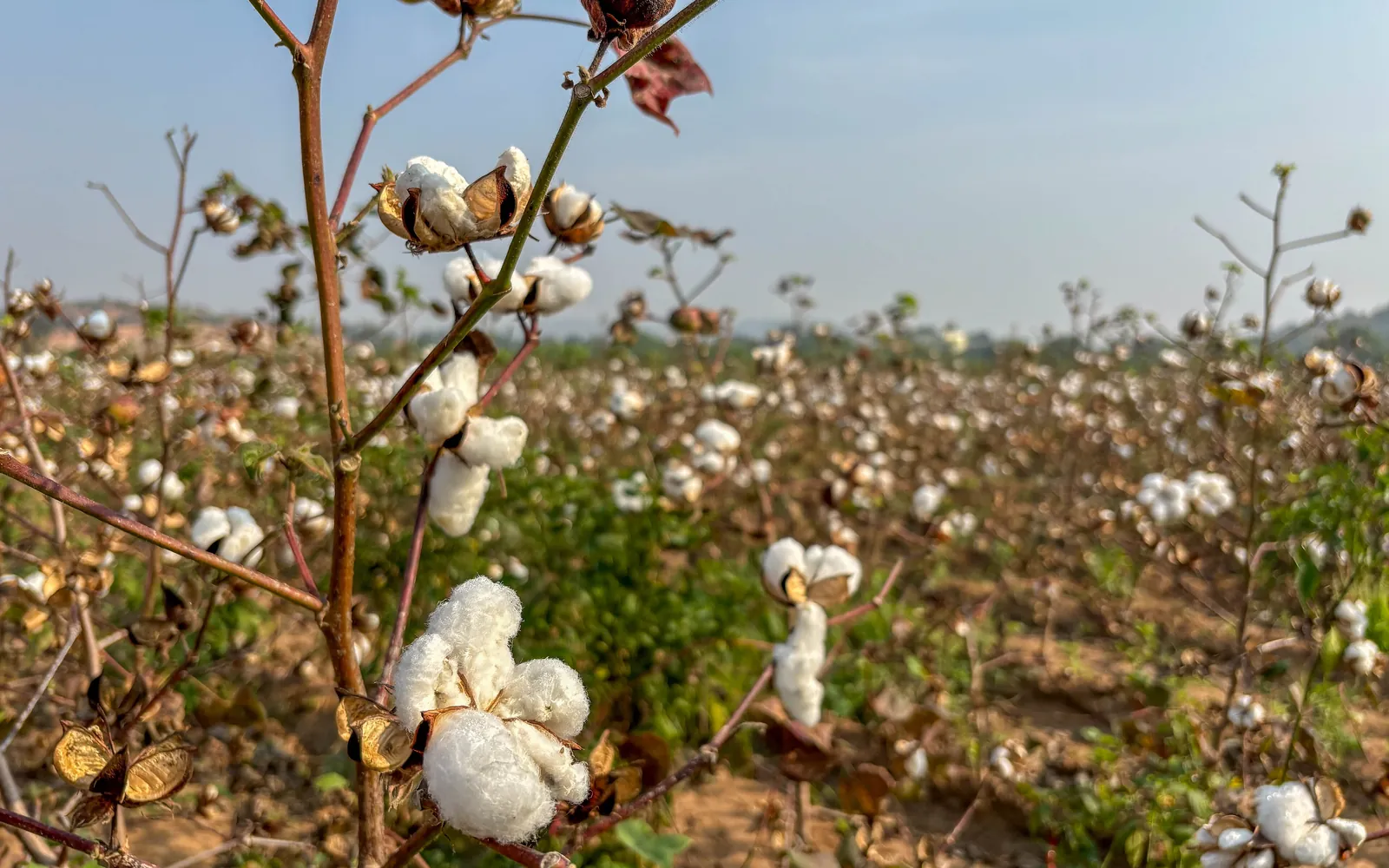
This guide shows how traditional farmers usually plant bulak. Use it as a starting point. For a higher yield, update it: plant certified seed or clean planting material, test your soil, and follow the right spacing and fertilizer.
Cotton is a small crop here, grown mostly in Ilocos, Panay and a few Mindanao provinces, often under a buying or ginning program. This guide shows how those farmers usually plant it from seed after the rice or corn harvest and pick the bolls in the dry months.
Before you plant, get the field ready with our land preparation guide for every crop. Then choose your seed or planting material with the bulak varieties sold here. If the leaves turn pale later on, the bulak nutrient deficiency guide helps you find what is missing.
When to plant bulak
In rice areas of Luzon and the Visayas, cotton follows the wet season rice: the cropping season can start as early as September, most fields are sown from about October to December on the moisture left after the rice, and picking begins from about February or March. In uplands and much of Mindanao, cotton follows corn instead. Farmers in one area try to sow within the same month so pests do not build up on late fields.
What you plant
Fuzzy cotton seeds. Pureline seed is sown at about 15 kg a hectare in Luzon and the Visayas and about 10 kg in Mindanao, three seeds to a hill. Hybrid seed is sown one or two seeds a hill at only 2 to 3 kg a hectare. Farmers get the seed from the program or buyer each season, since saved seed loses vigor.
Paano magtanim ng bulak, step by step
Days from sowing. The first open bolls are picked from about 110 days, and picking goes on every few days until about 150 to 165 days. The crop is ready about 165 days after sowing.
Before planting (Bago magtanim)
14 days before sowing: Ready the field after the rice
Right after the rice harvest, cut the stubble close to the ground and pull the weeds if you sow without plowing. Otherwise plow about 15 cm deep, harrow two or three times and open furrows about 75 to 100 cm apart.
1 day before sowing: Soak and warm the seed
Where the soil is moist, cotton seed is soaked and kept warm for a short while before sowing so it comes up fast and even. Where rain is doubtful, it is sown dry instead.
- Use fresh seed of the seasonGet the seed from the program or the buyer each season, since saved cotton seed loses its strength.
- Soak it for half a day6 to 10 hoursSoak the fuzzy seed in water with a fungicide mixed in, to guard against seedling rot, for about 6 to 10 hours.
- Drain and keep it warmup to 12 hoursDrain the seed and keep it in a warm, moist place out of the sun for no more than 12 hours.
- Sow it right awaySow the soaked seed as soon as the warming is over, before the sprouts dry out or grow long.
- In dry fields, sow dry seedWhen rain is uncertain and the field is dry, do not soak. Mix the dry seed well with a dry fungicide powder and sow it as it is.
Planting day (Pagtatanim)
Sowing day: Band the first fertilizer
Spread complete fertilizer (14 14 14), or 16 20 0 on heavy soil, in a band along the furrow and cover it thinly with soil. Keep it from touching the seed.
Sowing day: Sow the seeds
Drop three seeds a hill, about 30 to 40 cm apart along the furrow, and cover them thinly. On unplowed rice land, poke holes 6 to 8 cm deep with a pointed stick, drop the seeds in and cover them. Water the field if the soil is dry.
Care while it grows (Pag aalaga)
Day 14: Fill the missing hills
Between about 10 and 22 days, plant again where no seeds came up, using spare seedlings raised in small soil blocks.
Day 20: Thin to two plants a hill
Before about 27 days, pull out the weak seedlings and leave the two strongest in each hill, or one or two for hybrids. Tip: Thinning late gives tall, thin, weak plants.
Day 21: Check the plants every week
From about three weeks until the last bolls, look over ten plants across the field each week for bollworms, leafhoppers, aphids, thrips and flower weevils. Spray only when many plants are hit, and spare the red ants that eat flower weevils.
Day 25: Off barring and weeding
At about 22 to 27 days, plow lightly away from the rows to cut the weeds and loosen the soil, and hand pull the weeds between plants.
Day 42: First irrigation
Water at about the sixth week by running water down the furrows, or with a hose along the rows where water is short. Rice straw mulch keeps the soil damp longer.
Day 45: Side dress with urea
At about 42 to 47 days, drop urea (46 0 0) 3 to 5 cm from the base of each hill in the morning or afternoon, not at noon.
Day 45: Hill up and water
Plow soil back against the rows to cover the urea, then water the field right away so the fertilizer goes in.
Day 56: Water at the key weeks
Water again at about the 8th, 11th and 13th weeks, or whenever the plants droop at midday and the soil a hand deep will not hold a ball.
Day 60: Pick off weevil flowers
Once flowering starts, collect and crush flowers with weevil damage, and keep a border of okra around the field to draw the weevils away from the cotton.
Harvest (Anihan)
Day 110: Pick the open bolls
Pick the fluffy cotton three to four days after each boll bursts, on dry days, into cloth or flour sacks or bamboo baskets. Never use plastic sacks.
Day 111: Sun dry and pack the seed cotton
Spread the picked cotton in the sun for one to two days, then pack it in jute or flour sacks. Keep plastic strings and scraps away from it.
- Spread it in the sun1 to 2 daysSpread the picked seed cotton thinly on clean mats or canvas in the sun for one to two days, turning it now and then, and keep it off bare soil.
- Dry it enough to keepDrying brings the moisture down to about 10 to 12 percent and also kills the pink bollworm larvae hiding in the cotton.
- Pack it in natural sacksPack the dry seed cotton in jute or flour sacks tied with natural string. Plastic sacks and nylon strings leave fibers in the lint, and buyers pay less for it.
Day 165: Clear the stalks
After the last picking, cut or pull up all the plants and burn them or plow them under so the bollworms and weevils have nothing to live on until next season. Tip: Do not let the old stalks regrow for a second crop.
Watering bulak, stage by stage
Cotton after rice is sown on the moisture left in the field, then watered down the furrows or with a hose along the rows at a few key weeks, or whenever the plants droop at midday. Where rice straw is free, farmers mulch with it to cut the watering. Furrow watering from a pump or canal, or a plastic hose carried along the rows where water is scarce. Water in the morning or late afternoon.
Squaring and flowering, about weeks 6 to 13: a dry spell drops squares, flowers and young bolls. Sowing: the seed must go into moist soil after the rice.
| Stage | When | How often | How much |
|---|---|---|---|
| Sowing and coming up | Sowing day to day 14 | Sow on moist soil after the rice. Water after sowing only if the soil is dry | A light furrow or hose watering that moistens the seed row |
| Seedlings | Day 14 to 42 | Usually no watering while the soil holds the moisture left after the rice | None, unless the plants wilt in the morning |
| First squares | Day 42 to 56 | Water at about the sixth week, and right after the urea and hilling up at about day 45 | Run water down the furrows, or a hose along the rows where water is short |
| Flowering and boll setting | Day 56 to 95 | Water at about the 8th, 11th and 13th weeks, or whenever the plants droop at midday | A full furrow watering, or a hose along every row |
| Boll opening and picking | Day 110 to 165 | Stop watering once the bolls start to open | None |
Without irrigation. Sow early after the rice harvest, within the month your area sows, so the crop uses the moisture left in the soil. Mulch with rice straw and keep the field weed free. Late sowing works only where there is water to give.
In the dry season. The crop grows through the dry months, so water at the key weeks. If you cannot keep to them, dig a hand deep, about 15 cm, and squeeze the soil: water when sandy soil will not form a ball, when medium soil crumbles, or when heavy soil only just holds together.
In the rainy season. Cotton does not like wet feet or rain on open bolls. Keep the furrows draining, avoid low spots, and pick the open cotton on dry days so the lint does not rot or stain.
- Too little water: Leaves droop at midday and stay limp into the afternoon, and squares and small bolls drop.
- Too much water: Leaves yellow, the plants grow tall and leafy with few bolls, and the bolls rot.
To water better for a higher yield: Keep to the key weeks, the 6th, 8th, 11th and 13th, instead of watering by habit. Rice straw mulch over the field cuts how often and how much you water, and drip lines with fertilizer save even more where they are used.
Spacing, water and fertilizer for bulak
Spacing
Rows 75 to 100 cm apart and hills 30 to 40 cm apart, with two plants a hill after thinning for pureline varieties. Hybrids are grown one or two plants a hill, 90 to 100 cm between rows and 30 to 60 cm between hills.
Water
Sown on the moisture left after the rice, then watered down the furrows or by hose at the key weeks, about the 6th, 8th, 11th and 13th weeks, or when the plants droop at midday. Rice straw mulch cuts the watering where straw is free.
Fertilizer
A band of complete fertilizer (14 14 14), or 16 20 0 on heavy soils, along the furrow at sowing, then urea (46 0 0) side dressed at about 42 to 47 days and covered by hilling up. On sandy soil the urea is split into two smaller doses. To read what a bag really gives, see our guide to fertilizer for this crop.
Care and harvest
Care while it grows
Replanting by about three weeks, thinning to two plants a hill, off barring and hand weeding, hilling up after the urea, and weekly checks for bollworms, sucking insects and flower weevils. Fields in one area are sown close together, weevil flowers are picked off, and okra is grown on the border to draw pests.
When and how to harvest
Picking starts at about 110 days and goes on for several weeks. Each boll is picked three to four days after it bursts open, on dry days, into cloth sacks or baskets. The seed cotton is sun dried for a day or two, packed in natural fiber sacks and sold to the gin. All stalks are cleared after the last picking.
Common mistakes when planting bulak
- Thinning late, which leaves tall, weak plants that fall over.
- Sowing weeks after the neighbors, so the late field catches all the pests.
- Spraying too early and too often, which kills the ants and other insects that eat the pests.
- Picking wet cotton or packing it in plastic sacks that leave threads in the lint.
- Leaving the old stalks standing or letting them regrow after the harvest.
How to get a higher yield of bulak
The traditional way gets a crop, but small changes add up. These are the first things to change, one season at a time.
- Use fresh certified seed of a recommended variety, or a hybrid where the buyer supplies it.
- Sow with the rest of the cluster within about a month.
- Scout every week and spray only when the count passes the danger level.
- Have the soil tested and match the basal and urea doses to it.
- Mulch with rice straw and water at the key weeks of flowering and boll filling.
- Sun dry the seed cotton and keep it clean of plastic for a better price.
anee.io helps with each of these. The NPK Plus calculator checks that your fertilizer plan feeds the yield you want, the pest and disease finders tell you what is on the leaves before you spray, and Anee, the smart farm technician answers your questions in Tagalog or English.
Members open this guide in the How to Plant tool and send every step to the Protocol Builder in one tap, each on its own day. There you can change the seed, the spacing and the fertilizer, then turn it into a cropping calendar for your lots.
Start from the traditional way, make it better, and let anee.io date every task from your own planting day. Free to start.
Start freeQuestions about planting bulak
Paano magtanim ng bulak?
When do farmers plant bulak in the Philippines?
How far apart do you plant bulak?
How long before bulak can be harvested?
How often do you water bulak?
What do you plant to grow bulak?
See every step of planting it the traditional way
Register for free to read every step with its day, the spacing, water and fertilizer, the common mistakes and what to change for a higher yield. Then send it to your Protocol Builder in one tap.
Free to register. No credit card. Works on any phone.