Paano Magtanim ng Kadyos: How to Plant Pigeon Pea the Traditional Way
Paano magtanim ng kadyos? Here is how traditional Filipino farmers usually plant kadyos (pigeon pea), step by step from getting the field ready to the harvest, with the day of each step and what to change for a higher yield.
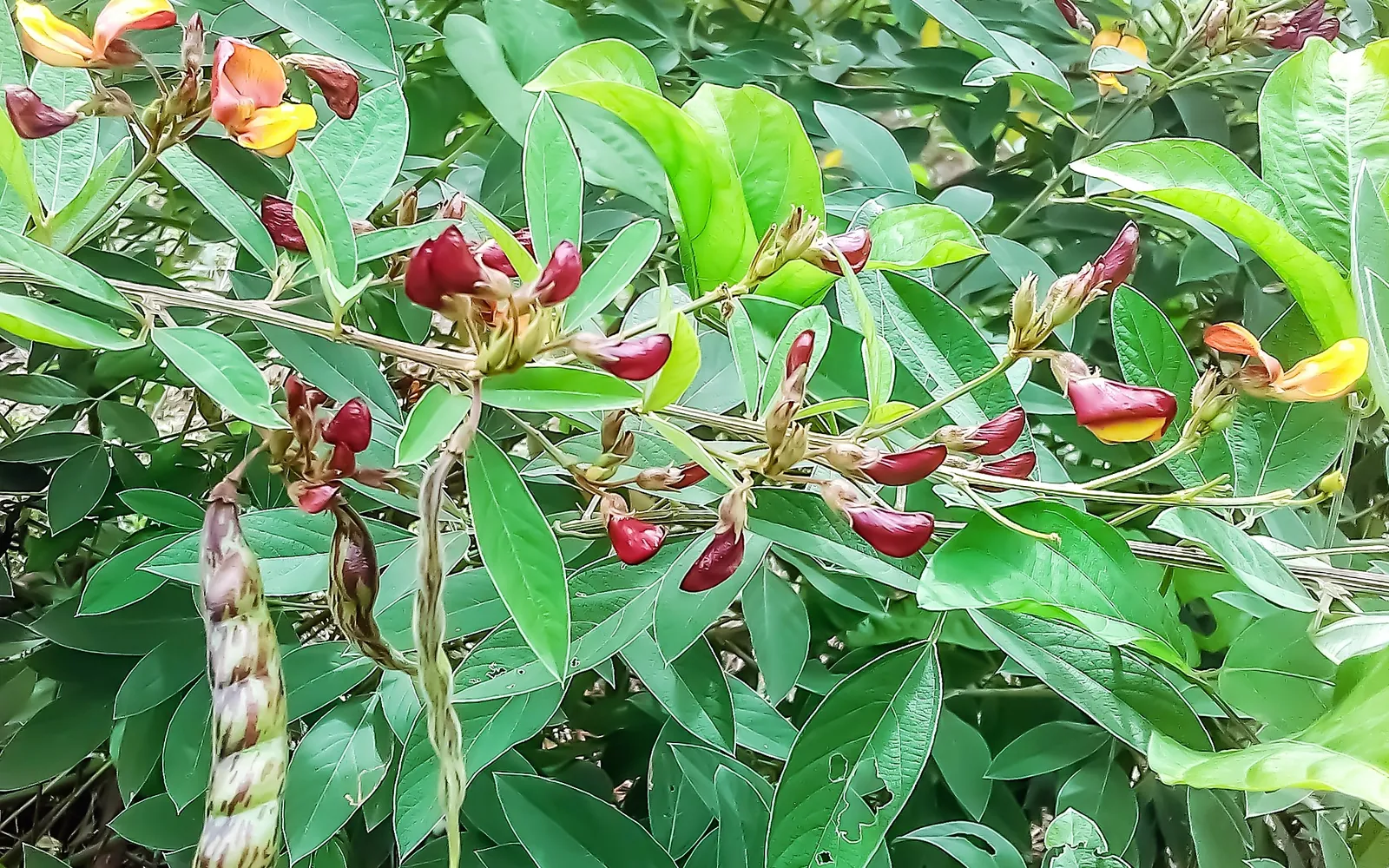
This guide shows how traditional farmers usually plant kadyos. Use it as a starting point. For a higher yield, update it: plant certified seed or clean planting material, test your soil, and follow the right spacing and fertilizer.
How Filipino farmers grow kadyos, the shrubby bean planted along dikes, fences and hillsides and cooked in the Ilonggo dish KBL. It needs little care and bears for months once it starts.
Before you plant, get the field ready with our land preparation guide for legumes. Then choose your seed or planting material with the kadyos nutrient deficiency guide.
When to plant kadyos
Planted at the start of the rains, around May to July. It flowers as the days get shorter, so pods come from about November to March.
What you plant
Dry seed from the last harvest, picked clean and plump.
Paano magtanim ng kadyos, step by step
Day 150 is about the first pod picking. The plant can be cut back after harvest and kept for another season. The crop is ready about 150 days after sowing.
Before planting (Bago magtanim)
7 days before sowing: Clear the spots
Clear the grass along the dike, fence or slope, or plow the field.
Planting day (Pagtatanim)
Sowing day: Plant the seed
Poke holes with a pointed stick or a hoe, drop 2 to 3 seeds in each and cover with about 3 cm of soil. Hills are spaced about a meter apart.
Care while it grows (Pag aalaga)
Day 21: Thin
Leave the strongest one or two plants in each hill.
Day 30: Weed around the plants
Slash or hoe the weeds around the young plants until they grow above the grass.
Day 110: Watch the flowers and pods
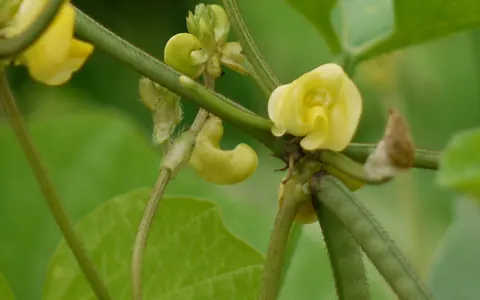
Check the flowers and young pods for pod borers when flowering starts.
Harvest (Anihan)
Day 150: Pick the pods
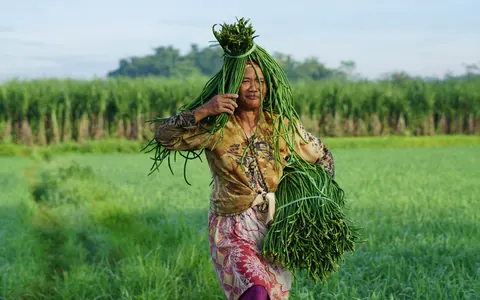
Pick green pods with full seeds for cooking, or dry brown pods for seed, every week or so.
Day 210: Cut back for another season
After the last picking, cut the plants back to about knee height so they sprout again for the next season.
Watering kadyos, stage by stage
Kadyos is planted with the rains along dikes, fences and slopes and is almost never watered. Its deep roots carry it through the dry months while it flowers and bears. No regular watering. Hand watering with a can for young or backyard plants in a dry spell.
The first two months: young plants need moisture until their roots are deep. Flowering: a plant that wilts at flowering drops many flowers.
| Stage | When | How often | How much |
|---|---|---|---|
| Planting and coming up | Sowing day to day 14 | Plant after a good rain. Water only if the soil dries before the seedlings are up | Enough to moisten the hill |
| Young plants | Day 14 to 60 | Usually no watering. In a long dry spell, water the young plants once | A few liters around each hill |
| Growth, flowering and pods | Day 60 to 210 | No regular watering. Water a backyard plant only if it wilts during flowering | A good soaking around the base |
Without irrigation. This is the usual way. Plant at the start of the rains, from May to July, so the roots go deep before the dry months when the pods come.
In the dry season. Grown plants rarely need water. Water young or backyard plants only when they wilt in the morning.
In the rainy season. Kadyos does not stand waterlogging. Plant on dikes, slopes or raised ground, never in low spots where water stays.
- Too little water: Leaves fold and droop at midday and do not recover by evening, and flowers drop.
- Too much water: Yellow leaves, wilting in wet soil, and plants that die in the low spots.
To water better for a higher yield: Plant early in the rains so the roots go deep before the dry months. Mulch young plants with cut grass in their first dry spell.
Spacing, water and fertilizer for kadyos
Spacing
Hills about a meter apart along dikes, fences and field borders, with one or two plants a hill.
Water
Rainfed. Its deep roots carry it through the dry months.
Fertilizer
Usually none. Some farmers put a little manure in the hole at planting. To read what a bag really gives, see our guide to fertilizer for this crop.
Care and harvest
Care while it grows
Thinning, weeding until the plants rise above the grass, and checking for pod borers at flowering.
When and how to harvest
Pods are picked green for cooking or dry for seed from about five months, every week or so, through the cool months. Dry pods are sun dried and beaten to free the seed.
Common mistakes when planting kadyos
- Planting too late in the rains, so the plants are small when flowering starts.
- Letting grass smother the young plants.
- Leaving dry pods out in the rain, where the seed molds.
How to get a higher yield of kadyos
The traditional way gets a crop, but small changes add up. These are the first things to change, one season at a time.
- Plant early in the rains so the plants are big by flowering time.
- Use clean seed of a good bearing line.
- Keep the grass down in the first two months.
- Scout for pod borers at flowering and pick often.
anee.io helps with each of these. The NPK Plus calculator checks that your fertilizer plan feeds the yield you want, the pest and disease finders tell you what is on the leaves before you spray, and Anee, the smart farm technician answers your questions in Tagalog or English.
Members open this guide in the How to Plant tool and send every step to the Protocol Builder in one tap, each on its own day. There you can change the seed, the spacing and the fertilizer, then turn it into a cropping calendar for your lots.
Start from the traditional way, make it better, and let anee.io date every task from your own planting day. Free to start.
Start freeQuestions about planting kadyos
Paano magtanim ng kadyos?
When do farmers plant kadyos in the Philippines?
How far apart do you plant kadyos?
How long before kadyos can be harvested?
How often do you water kadyos?
What do you plant to grow kadyos?
See every step of planting it the traditional way
Register for free to read every step with its day, the spacing, water and fertilizer, the common mistakes and what to change for a higher yield. Then send it to your Protocol Builder in one tap.
Free to register. No credit card. Works on any phone.