Paano Magtanim ng Oil Palm: How to Plant Oil Palm the Traditional Way
Paano magtanim ng oil palm? Here is how traditional Filipino farmers usually plant palma (oil palm), step by step from getting the field ready to the harvest, with the day of each step and what to change for a higher yield.
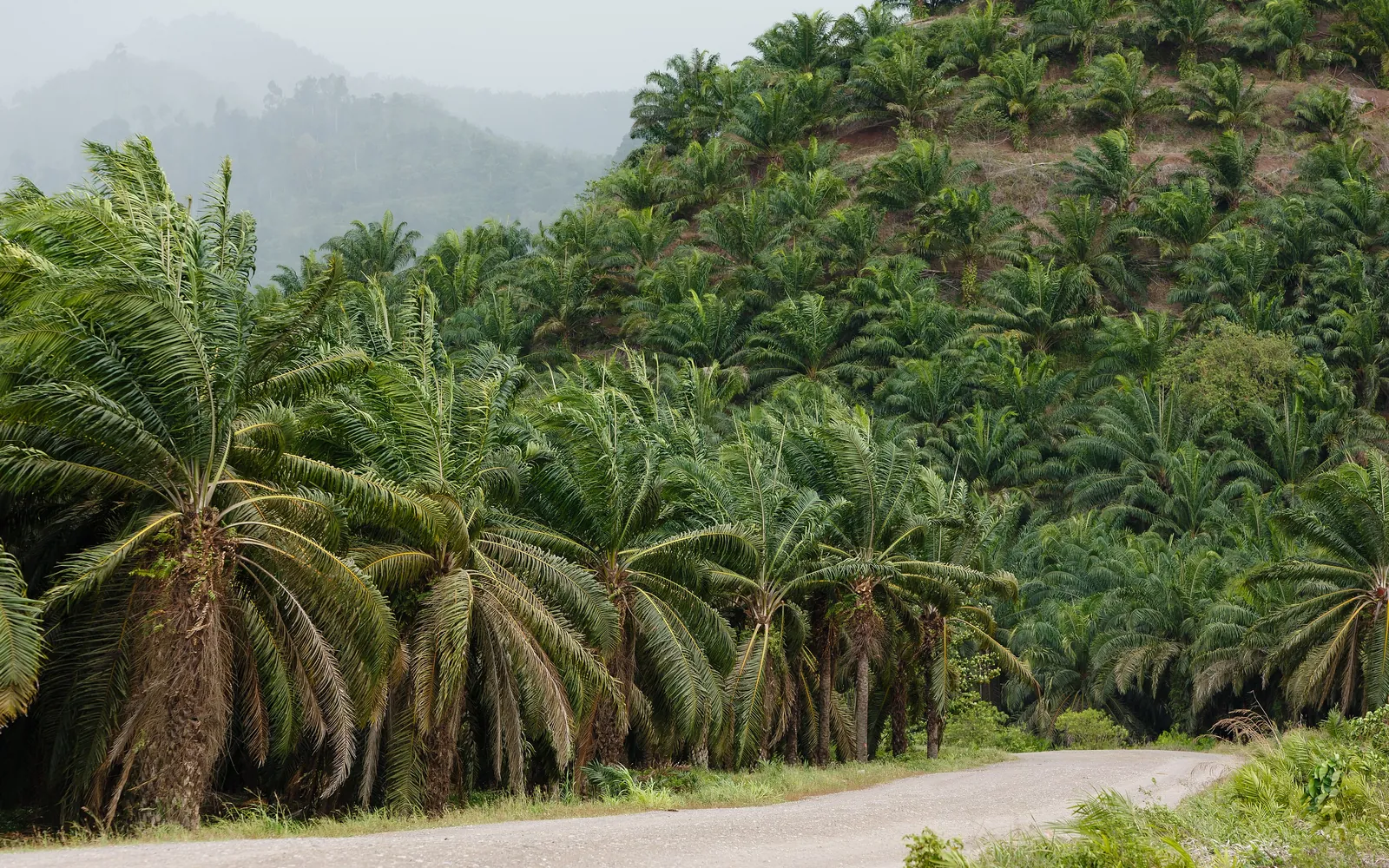
This guide shows how traditional farmers usually plant palma. Use it as a starting point. For a higher yield, update it: plant certified seed or clean planting material, test your soil, and follow the right spacing and fertilizer.
Oil palm is grown here mostly in Mindanao, in Agusan, Sultan Kudarat and nearby provinces, and in Palawan, by plantations and by small growers who sell fruit bunches to a nearby mill. This guide shows how those growers usually plant tenera seedlings and care for them until the first bunches at about three years.
Before you plant, get the field ready with our land preparation guide for fruit and plantation trees. Then choose your seed or planting material with the palma nutrient deficiency guide.
When to plant palma
Plant at the start of the rains, around May to June, or in any month where rain falls well through the year, as in much of Agusan. Oil palm does best where it rains often and there is no long dry season.
What you plant
Tenera hybrid seedlings (a cross of dura and pisifera palms) raised in plastic bags in a nursery for about a year. Growers buy them from a mill or a trusted nursery, because seedlings grown from fruit picked up under old palms give much less oil.
Paano magtanim ng oil palm, step by step
The first ripe bunches come at about 30 to 36 months after planting in the field. Harvest then goes on every one to two weeks for over 20 years. The crop is ready about 3 years after planting.
Before planting (Bago magtanim)
2 months before planting: Clear the land
Cut the brush, pile the logs and branches between the future rows to rot, and burn as little as possible. Dig drains where water stands after rain.
30 days before planting: Lay out the triangles
Mark planting points 9 m apart in a triangle pattern with ropes and bamboo stakes, which fits about 140 palms a hectare.
14 days before planting: Dig the holes
Dig a hole about 50 cm wide and 50 cm deep at each stake, keeping the topsoil on one side to go back in first.
The nursery (Punlaan)
12 months before planting: Get the seedlings ready
Raise or buy tenera seedlings in bags about a year before field planting. Keep them watered and weeded, and throw out stunted or odd looking ones.
Planting day (Pagtatanim)
Planting day: Plant the seedling
On a rainy day, slit and remove the bag, set the seedling in the hole at the same depth it stood in the bag, fill with topsoil and press it firm.
Care while it grows (Pag aalaga)
Day 30: Ring weed and slash
Keep a clean circle around each young palm and slash the grass between rows. A creeping legume cover between rows holds the soil and feeds it.
Month 2: Feed the young palm
Spread complete fertilizer in the weeded circle around each palm, a little away from the base, two or three times a year while the palm is young.
Month 3: Grow crops between the rows
In the first three years, before the fronds meet, many growers plant corn, peanut, vegetables or banana between the rows for extra income.
Month 6: Watch for beetles and rats
Look for holes in the young spear and cut fronds, the sign of the rhinoceros beetle, and for rat damage at the base. Clear rotting logs and trash heaps where the beetles breed.
Month 12: Replace, mound and prop
Replace palms that died, pile soil around exposed roots, and prop palms that lean after strong winds.
Year 3: Prune the old fronds
Cut off dead and extra fronds below the bunches, but keep about 32 to 40 green fronds on each bearing palm. Stack the cut fronds between rows as mulch.
Harvest (Anihan)
Year 3: Cut the first ripe bunches
A bunch is ripe when its fruits turn reddish orange and a few loose fruits have dropped on the ground. Cut it with a chisel on young palms, or with a sickle on a long pole when the palms are tall.
Year 3: Pick up loose fruits and haul
Gather every loose fruit along with the bunches and bring them to the mill within a day, because the oil in cut fruit spoils fast.
Year 3: Harvest every 10 to 14 days
Go around the whole farm every 10 to 14 days so no ripe bunch is left too long.
Watering palma, stage by stage
Oil palm in the field is grown on rain alone, where rain falls through most of the year and the dry season is short. The bagged seedlings in the nursery are the only stage that growers water by hand, and in the field they keep the soil damp with fronds, empty bunches and a cover crop. Rain only in the field. In the nursery, a hose or a watering can, or sprinklers on big nurseries, in the morning or late afternoon.
The nursery year: bagged seedlings must never dry out. The weeks after field planting: a new palm needs moist soil until its roots spread.
| Stage | When | How often | How much |
|---|---|---|---|
| Bagged seedlings in the nursery | 12 months before planting to planting day | Water every day in dry weather and when the rain misses a day, less in steady rain | Enough to wet the soil in each bag through, with water draining out of the holes |
| Field planting | Planting day to day 30 | Plant on a rainy day. If a dry spell follows, water each new palm | A good soaking of the planting circle |
| Young palms | Day 30 to year 3 | No regular watering. Keep the weeded circle mulched and the cover crop between the rows | None |
| Bearing palms | Year 3 to 4 | No watering. Stack the pruned fronds between the rows and spread empty bunches around the palms | None |
Without irrigation. This is the usual way. Plant at the start of the rains, or in any month where rain falls well through the year, and plant only where the dry season is short. Mulch with fronds and empty bunches and keep a legume cover between the rows.
In the dry season. Grown palms are not watered, but a long dry season shows up a year or two later as fewer and smaller bunches. Keep the frond stacks and mulch in place, and water the nursery every day.
In the rainy season. Oil palm likes rain but not standing water. Dig drains where water stays after rain, keep them clean, and pile soil back over roots that the rain has washed bare.
- Too little water: Several young spear leaves stay unopened, the lower fronds dry and break early, and fewer bunches come a year or two later.
- Too much water: Yellowing fronds, slow growth and rotting roots where water stands, with palms that lean or fall.
To water better for a higher yield: Stack pruned fronds between the rows and spread empty bunches around the palms to keep the soil moist and fed. Plant oil palm only where rain is spread through the year, and drain any low spots before planting.
Spacing, water and fertilizer for palma
Spacing
Triangles 9 m apart, about 140 to 143 palms a hectare. Holes about 50 cm wide and deep.
Water
Rainfed. Oil palm wants rain spread through the year, so it is grown where the dry season is short. Fronds and empty bunches laid as mulch keep the soil damp, and drains carry off standing water.
Fertilizer
Complete fertilizer spread in the weeded circle around each palm two or three times a year while young. Bearing palms also need plenty of potash. Cut fronds are left to rot between rows, and some growers get empty fruit bunches back from the mill as mulch. To read what a bag really gives, see our guide to fertilizer for this crop.
Care and harvest
Care while it grows
Ring weeding and slashing, a legume cover crop, crops between rows in the first three years, replacing dead palms, mounding and propping, watching for rhinoceros beetles and rats, and pruning old fronds while keeping about 32 to 40 green ones.
When and how to harvest
First bunches at about 30 to 36 months. A bunch is ripe when the fruits are reddish orange and a few loose fruits have fallen. Bunches are cut with a chisel or a pole sickle every 10 to 14 days, loose fruits are picked up, and everything goes to the mill within a day. Yields climb for several years and stay high into the second decade.
Common mistakes when planting palma
- Planting seedlings grown from fruit under old palms instead of tenera seedlings.
- Letting grass and vines fill the circle, which hides loose fruits and competes with the palm.
- Cutting unripe bunches, or leaving ripe ones too long on the palm.
- Cutting too many fronds, which lowers the next bunches.
- Leaving cut bunches for days before they reach the mill.
- Leaving rotting logs and trash heaps where rhinoceros beetles breed.
How to get a higher yield of palma
The traditional way gets a crop, but small changes add up. These are the first things to change, one season at a time.
- Buy tenera seedlings from a trusted nursery or the mill you will sell to.
- Have the soil and leaves tested every year or two and fertilize by the result.
- Keep a strict 10 to 14 day harvest round and collect every loose fruit.
- Keep about 32 to 40 fronds a palm and use the cut fronds as mulch.
- Join a grower group tied to a mill for steady prices and hauling.
anee.io helps with each of these. The NPK Plus calculator checks that your fertilizer plan feeds the yield you want, the pest and disease finders tell you what is on the leaves before you spray, and Anee, the smart farm technician answers your questions in Tagalog or English.
Members open this guide in the How to Plant tool and send every step to the Protocol Builder in one tap, each on its own day. There you can change the seed, the spacing and the fertilizer, then turn it into a cropping calendar for your lots.
Start from the traditional way, make it better, and let anee.io date every task from your own planting day. Free to start.
Start freeQuestions about planting palma
Paano magtanim ng oil palm?
When do farmers plant palma in the Philippines?
How far apart do you plant palma?
How long before palma can be harvested?
How often do you water palma?
What do you plant to grow palma?
See every step of planting it the traditional way
Register for free to read every step with its day, the spacing, water and fertilizer, the common mistakes and what to change for a higher yield. Then send it to your Protocol Builder in one tap.
Free to register. No credit card. Works on any phone.