Paano Magtanim ng Canola: How to Plant Canola the Traditional Way
Paano magtanim ng canola? Here is how traditional Filipino farmers usually plant canola, step by step from getting the field ready to the harvest, with the day of each step and what to change for a higher yield.
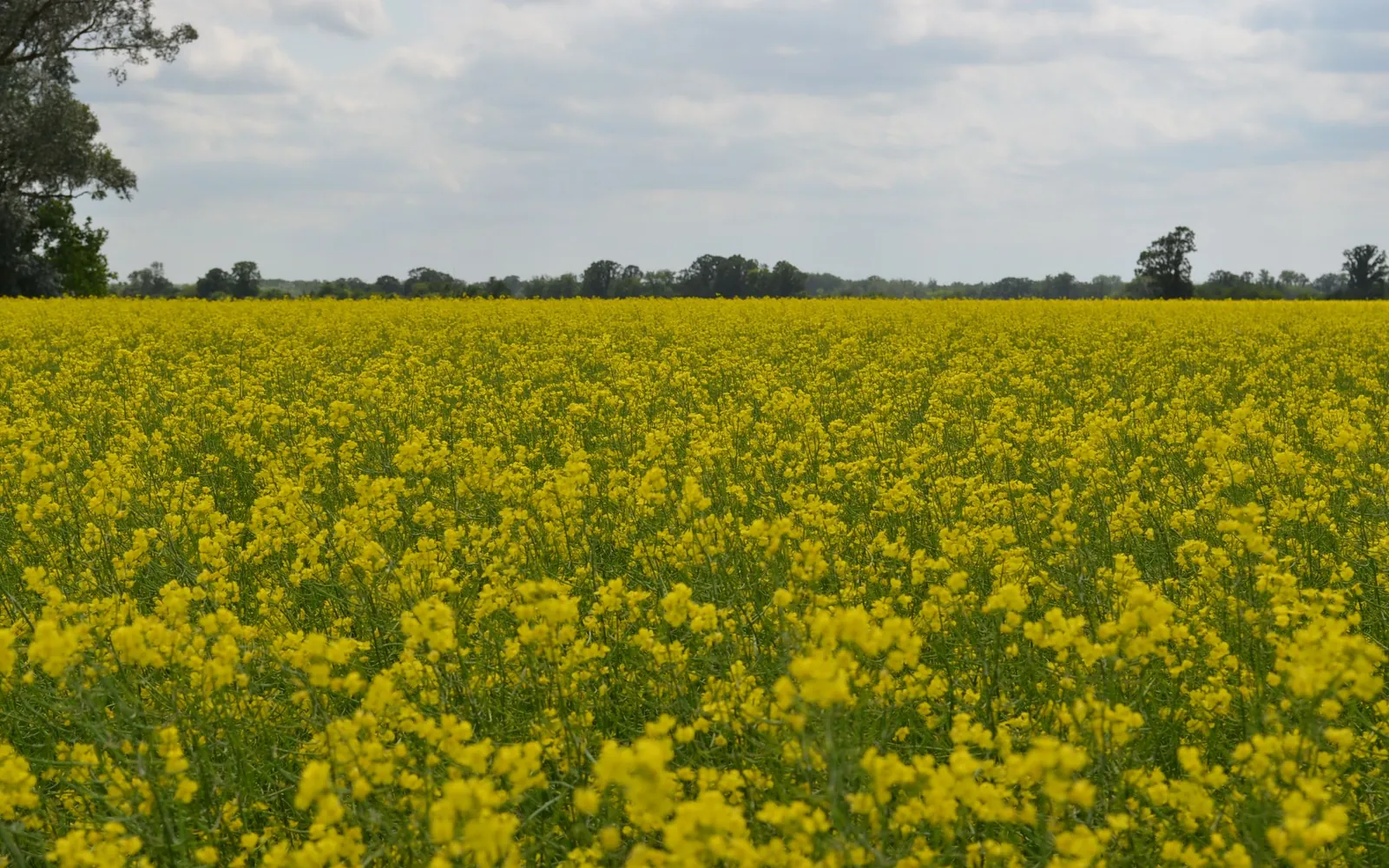
This guide shows how traditional farmers usually plant canola. Use it as a starting point. For a higher yield, update it: plant certified seed or clean planting material, test your soil, and follow the right spacing and fertilizer.
Canola is hardly grown in the Philippines. The canola oil sold here comes from abroad. It wants cool weather, so the few who try it are highland growers in places like Benguet, Mountain Province and Bukidnon, who sow it in the cool dry months the way they sow its cousins mustasa and pechay. This short guide shows that way.
Before you plant, get the field ready with our land preparation guide for every crop.
When to plant canola
Only in the highlands, sown at the end of the rains, around October to December, so it grows and flowers in the cool dry months and ripens before the hot months. The lowlands are too hot for it to set good seed.
What you plant
Small round seed of a spring type canola. Winter types sold in cold countries need a long cold spell before they flower and will not flower well here. The seed is sown dry and shallow, like mustard seed.
Paano magtanim ng canola, step by step
Days from sowing, taken as about 100 days. The pods ripen over about six to eight weeks after flowering starts, and timing in our highlands still varies. The crop is ready about 100 days after sowing.
Before planting (Bago magtanim)
14 days before sowing: Make fine beds
Dig or plow the plot, break the clods and make raised beds as for highland vegetables. Mix in well rotted manure or compost.
Planting day (Pagtatanim)
Sowing day: Sow in shallow rows
Draw shallow lines across the bed, scatter the seed thinly along them and cover with a little fine soil. Water gently with a sprinkler.
Care while it grows (Pag aalaga)
Day 14: Thin and weed
Pull out crowded seedlings so the plants stand a little apart, and pull the weeds while they are small.
Day 21: Side dress
Put ammonium sulfate (21 0 0) beside the rows and water it in. Canola needs a lot of sulfur, which this fertilizer also gives.
Day 30: Watch for cabbage pests
Check the leaves for the same worms, aphids and flea beetles that attack cabbage and mustard, and pick off what you can early.
Harvest (Anihan)
Day 100: Cut before the pods split
When most pods have turned from green to brown and the seeds inside are black and hard, cut the plants in the morning before the pods split open.
Day 102: Dry and thresh
Dry the cut plants on a mat or tarp, beat them to free the seeds, winnow and dry the seed well before storing it.
Watering canola, stage by stage
Canola is rare here and only tried on highland plots, watered like highland vegetables: a light sprinkling after sowing and in dry spells. Growers ease off near the end, since too much water late on delays ripening. A watering can with a fine rose or a sprinkler on raised beds, as for highland vegetables, in the morning.
Coming up: the shallow seed must not dry out. Flowering and pod filling, about day 40 to 85: a dry spell gives few seeds in each pod.
| Stage | When | How often | How much |
|---|---|---|---|
| Sowing and coming up | Sowing day to day 10 | Sprinkle the beds gently after sowing, then every day or two until the seedlings are up if no rain falls | Enough to keep the top of the bed moist, with a fine sprinkler can |
| Leaf growth | Day 10 to 40 | In dry spells, water about once or twice a week, and right after the side dressing | Wet the beds to a finger deep or more |
| Flowering and pod filling | Day 40 to 85 | Keep the soil moist, watering when the top of the bed dries | A good soaking of the beds |
| Ripening | Day 85 to 100 | Stop watering | None |
Without irrigation. Sow at the end of the rains, from October to December, while the soil is still moist, so the crop grows on stored moisture through the cool months.
In the dry season. The crop grows in the cool dry months, so water the beds once or twice a week in dry spells, more at flowering, and stop once most pods turn brown.
In the rainy season. Use raised beds that drain, since canola roots rot in wet soil, and wet weather at ripening molds the pods.
- Too little water: Leaves wilt and turn bluish gray, flowers drop, and the pods stay short with few seeds.
- Too much water: Yellow lower leaves, rotting stems and roots, and moldy pods.
To water better for a higher yield: If water is short, give it at flowering and pod filling. A light mulch between the rows keeps the beds moist longer.
Spacing, water and fertilizer for canola
Spacing
Sown in rows on raised beds and thinned so the plants stand a little apart. Growers here have no settled spacing yet.
Water
Light sprinkling after sowing and in dry spells, as for highland vegetables. Too much water at the end delays ripening.
Fertilizer
Manure or compost in the beds before sowing, then ammonium sulfate (21 0 0) as a side dress for nitrogen and sulfur. Canola also needs enough boron. To read what a bag really gives, see our guide to fertilizer for this crop.
Care and harvest
Care while it grows
Thinning, hand weeding, light watering, and checking for the same pests that attack cabbage and mustard. Bees visiting the flowers help it set more seed.
When and how to harvest
Ready when most pods are brown and the seeds black and hard. Plants are cut in the morning before the pods split, dried on mats, threshed by beating, winnowed and dried again.
Common mistakes when planting canola
- Trying it in the hot lowlands, where it sets little seed.
- Buying a winter type that needs cold to flower.
- Leaving the pods until they split and drop the seed.
- Giving no sulfur or boron, which leaves pods half empty.
How to get a higher yield of canola
The traditional way gets a crop, but small changes add up. These are the first things to change, one season at a time.
- Try a small plot first in the cool months before planting more.
- Use a spring type seed and have the soil tested.
- Use ammonium sulfate or another sulfur source for nitrogen.
- Keep bees nearby and harvest on time, before the pods split.
anee.io helps with each of these. The NPK Plus calculator checks that your fertilizer plan feeds the yield you want, the pest and disease finders tell you what is on the leaves before you spray, and Anee, the smart farm technician answers your questions in Tagalog or English.
Members open this guide in the How to Plant tool and send every step to the Protocol Builder in one tap, each on its own day. There you can change the seed, the spacing and the fertilizer, then turn it into a cropping calendar for your lots.
Start from the traditional way, make it better, and let anee.io date every task from your own planting day. Free to start.
Start freeQuestions about planting canola
Paano magtanim ng canola?
When do farmers plant canola in the Philippines?
How far apart do you plant canola?
How long before canola can be harvested?
How often do you water canola?
What do you plant to grow canola?
See every step of planting it the traditional way
Register for free to read every step with its day, the spacing, water and fertilizer, the common mistakes and what to change for a higher yield. Then send it to your Protocol Builder in one tap.
Free to register. No credit card. Works on any phone.