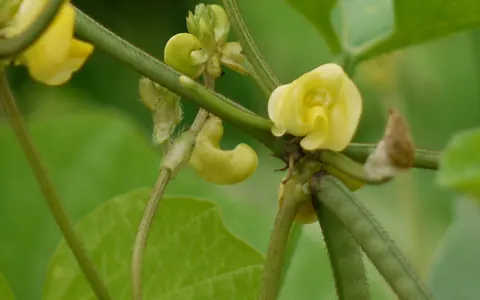
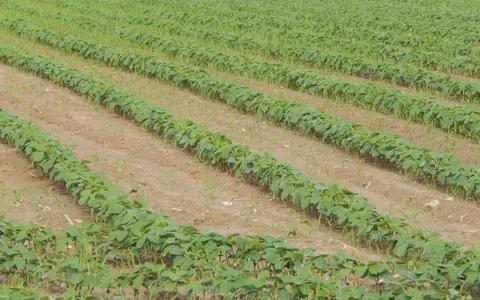
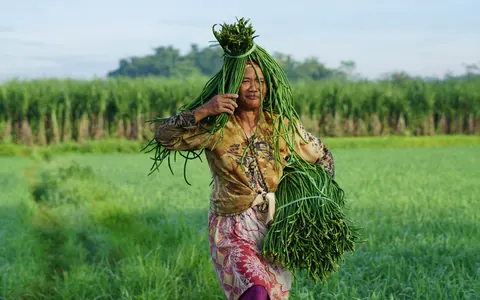
Paano Magtanim ng Sigarilyas: How to Plant Winged Bean the Traditional Way
Paano magtanim ng sigarilyas? Here is how traditional Filipino farmers usually plant sigarilyas (winged bean), step by step from getting the field ready to the harvest, with the day of each step and what to change for a higher yield.
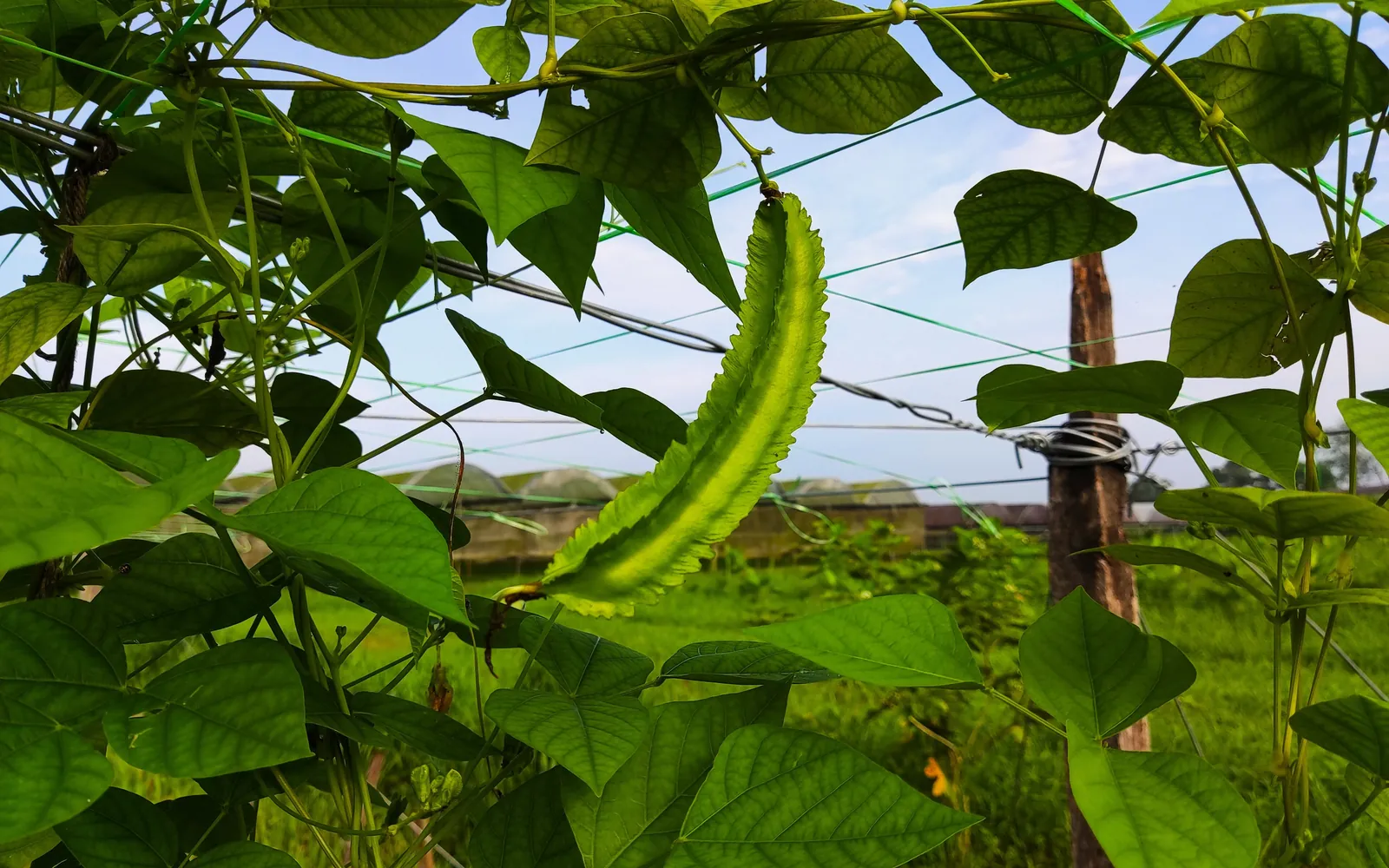
This guide shows how traditional farmers usually plant sigarilyas. Use it as a starting point. For a higher yield, update it: plant certified seed or clean planting material, test your soil, and follow the right spacing and fertilizer.
How Filipino farmers and backyard growers raise sigarilyas, the climbing bean with four winged pods. It is seeded direct beside poles or a fence and picked young for weeks once it starts bearing.
Before you plant, get the field ready with our land preparation guide for legumes. Then choose your seed or planting material with the sigarilyas nutrient deficiency guide.
When to plant sigarilyas
Planted at the start of the rains, around May to July. Many plants only start flowering as the days get shorter late in the year, so the main pod season is the cooler months.
What you plant
Seed from fully dry pods. The seed coat is hard, so farmers soak the seed overnight or nick its coat before planting.
Paano magtanim ng sigarilyas, step by step
Day 70 is about the first picking. Plants sown early in the year may wait for shorter days before they flower. The crop is ready about 70 days after sowing.
Before planting (Bago magtanim)
14 days before sowing: Dig and add manure
Dig the plot or the spots along the fence and mix in dried manure or compost.
Planting day (Pagtatanim)
1 day before sowing: Soak the seed
Soak the seed in water overnight so the hard coat softens.
Sowing day: Plant the seed
Plant 2 to 3 seeds a hill, with hills about a meter apart, and cover them with 2 to 3 cm of soil.
Care while it grows (Pag aalaga)
Day 14: Thin and put up poles
Leave the strongest one or two plants and set up bamboo poles about two meters tall or an overhead frame (balag) for the vines.
Day 21: Weed
Hoe out the weeds around the hills and pull soil up to the base.
Day 30: Feed
Side dress complete fertilizer (14 14 14) or more manure around the plants.
Day 45: Watch for pests
Check the flowers and young pods for pod borers and the leaves for leaf spots.
Harvest (Anihan)
Day 70: Pick the young pods
Pick the pods while still tender and green, about two to three weeks after flowering, every few days.
Day 120: Keep seed pods
Leave some pods on the vine until they turn brown and dry, then pick and keep the seed.
- Leave pods on the best vinesStop picking a few well shaped pods on the strongest, healthiest vines and let them hang until they turn brown and dry.
- Pick before they burstCheck the drying pods every few days and pick them once they are brown and papery, before they split open on the vine.
- Dry and shellSpread the pods on a mat in the sun until brittle, then break them open and take out the hard round seeds.
- Dry the seed and store itSun dry the seed once more until it is hard, then keep it in a sealed jar or can in a cool, dry place until the next planting.
Watering sigarilyas, stage by stage
Sigarilyas is mostly a backyard and fence crop planted with the rains and watered by hand only in long dry spells. Once the vines are big, most families leave it to the rain. Hand watering with a can or a hose at the base of each hill, in the early morning or late afternoon.
Coming up, the first two weeks: keep the hill moist. Flowering and podding: dry soil drops flowers and makes the pods tough.
| Stage | When | How often | How much |
|---|---|---|---|
| Planting and coming up | Sowing day to day 14 | Water at planting if the soil is dry, then every day or two until the seedlings are up | Enough to keep the hill moist, never soggy |
| Vine growth | Day 14 to 60 | Usually the rains are enough. In a dry spell, water when the topsoil dries | A watering can of about 10 liters shared among a few hills |
| Flowering and pods | Day 60 to 120 | In dry weeks, water every few days | Soak the soil around each hill |
Without irrigation. Plant at the start of the rains, from May to July, so the vine grows in the wet months and bears in the cooler months that follow. Mulch around the hills to hold the moisture.
In the dry season. Vines bearing into the dry months need a watering every few days. Water when the leaves droop in the morning or the soil is dry a finger deep.
In the rainy season. Plant on mounds or raised spots so rain drains away, since standing water rots the roots and the tubers. Wet weather also spreads leaf spots, so keep the vines thinned and airy.
- Too little water: Leaves droop and curl, flowers drop and pods come out short and stringy.
- Too much water: Yellow leaves, rotting roots and a vine that stops growing.
To water better for a higher yield: Mulch the hills with dry grass or rice straw so each watering lasts longer. Water steadily through flowering and podding instead of only when the vine wilts.
Spacing, water and fertilizer for sigarilyas
Spacing
Hills about a meter apart along a pole row, a frame or a fence, with one or two plants a hill.
Water
Rainfed in the wet season, with hand watering in long dry spells.
Fertilizer
Dried manure or compost at planting and a side dressing of complete fertilizer (14 14 14) or more manure after about a month. To read what a bag really gives, see our guide to fertilizer for this crop.
Care and harvest
Care while it grows
Poles or a frame set up early, weeding around the hills, and guiding the vines. Little else.
When and how to harvest
Young pods are picked green and tender every few days once bearing starts. Some growers also dig the thick roots of older plants to eat.
Common mistakes when planting sigarilyas
- Planting the hard seed without soaking, so it comes up slowly and unevenly.
- Giving the vines no support, so they tangle on the ground.
- Letting pods get old and stringy before picking.
How to get a higher yield of sigarilyas
The traditional way gets a crop, but small changes add up. These are the first things to change, one season at a time.
- Soak or nick the seed and plant into moist, fed soil.
- Set up strong poles or a frame before the vines run.
- Pick young pods often to keep the plant bearing.
- Plant at the start of the rains so the vines are big when the flowering season comes.
anee.io helps with each of these. The NPK Plus calculator checks that your fertilizer plan feeds the yield you want, the pest and disease finders tell you what is on the leaves before you spray, and Anee, the smart farm technician answers your questions in Tagalog or English.
Members open this guide in the How to Plant tool and send every step to the Protocol Builder in one tap, each on its own day. There you can change the seed, the spacing and the fertilizer, then turn it into a cropping calendar for your lots.
Start from the traditional way, make it better, and let anee.io date every task from your own planting day. Free to start.
Start freeQuestions about planting sigarilyas
Paano magtanim ng sigarilyas?
When do farmers plant sigarilyas in the Philippines?
How far apart do you plant sigarilyas?
How long before sigarilyas can be harvested?
How often do you water sigarilyas?
What do you plant to grow sigarilyas?
See every step of planting it the traditional way
Register for free to read every step with its day, the spacing, water and fertilizer, the common mistakes and what to change for a higher yield. Then send it to your Protocol Builder in one tap.
Free to register. No credit card. Works on any phone.