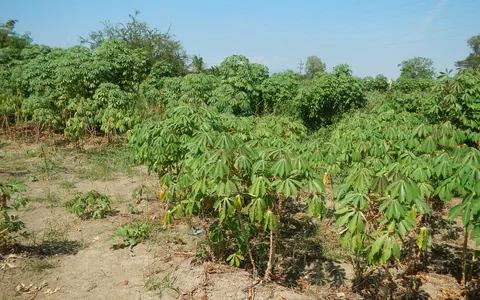
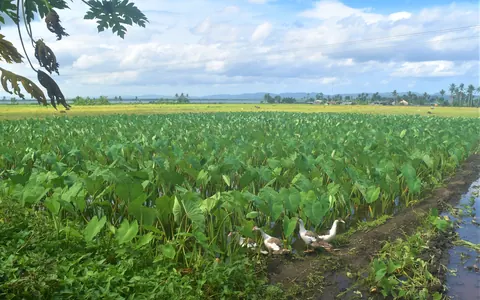
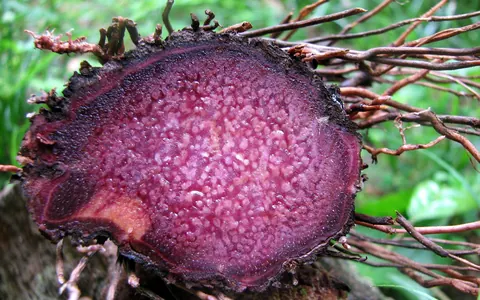
Paano Magtanim ng Luyang Dilaw: How to Plant Turmeric the Traditional Way
Paano magtanim ng luyang dilaw? Here is how traditional Filipino farmers usually plant luyang dilaw (turmeric), step by step from getting the field ready to the harvest, with the day of each step and what to change for a higher yield.
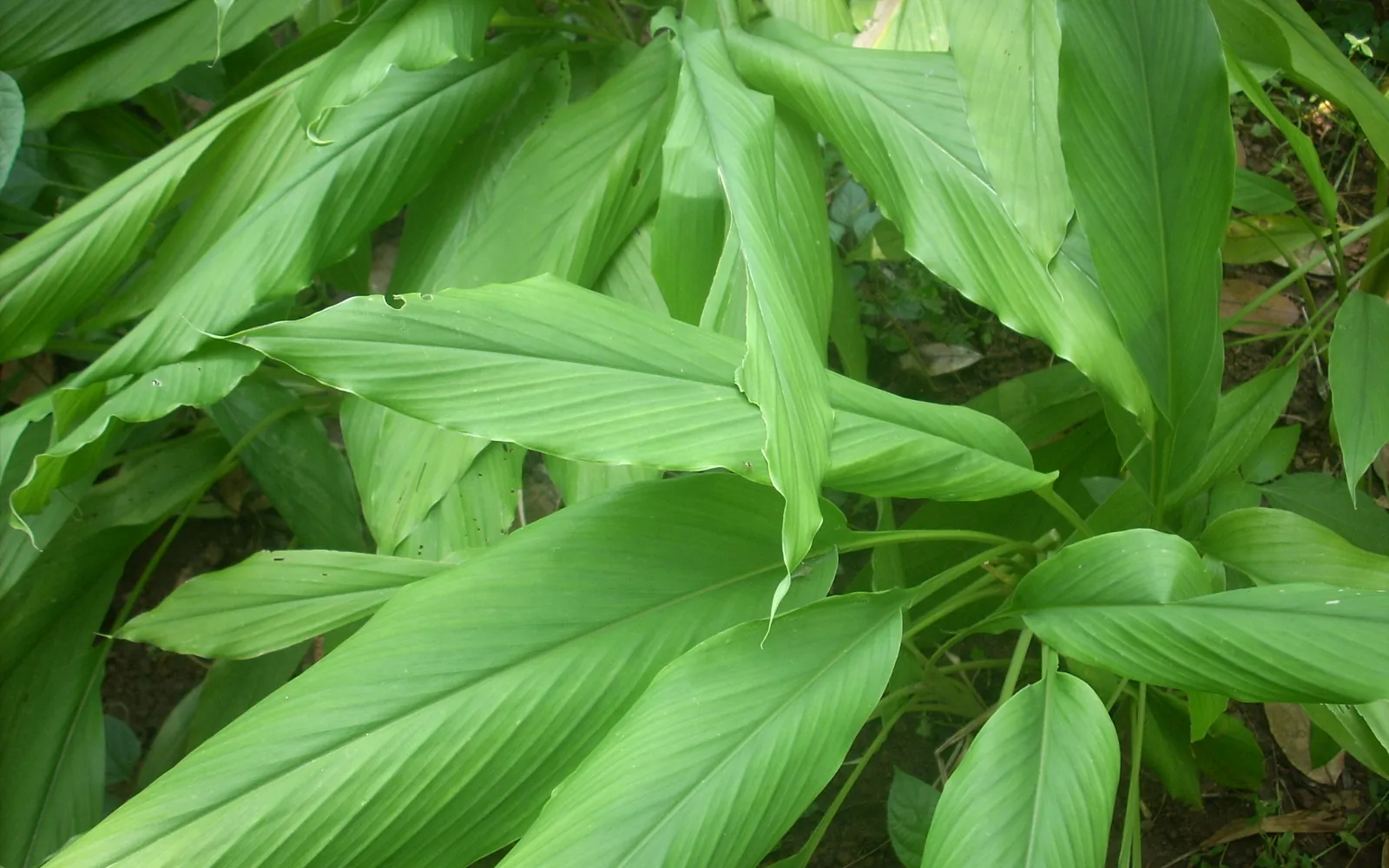
This guide shows how traditional farmers usually plant luyang dilaw. Use it as a starting point. For a higher yield, update it: plant certified seed or clean planting material, test your soil, and follow the right spacing and fertilizer.
How Filipino growers usually raise luyang dilaw from rhizome pieces on beds or ridges, often in backyards and under coconut, and dig it seven to ten months later for cooking, salabat and powder. For small growers who want the usual way and what to change for a bigger, brighter harvest.
Before you plant, get the field ready with our land preparation guide for root crops. Then choose your seed or planting material with the luyang dilaw nutrient deficiency guide.
When to plant luyang dilaw
Planted like ginger as the rains begin, around April to June, so the shoots grow on the rains. The leaves dry down in the cool dry months, when the rhizomes are dug.
What you plant
Whole or split mother rhizomes and finger rhizomes from a healthy clump, kept from the last harvest. Pick firm, plump, disease free pieces with buds. A full hectare needs a lot of seed, around 2,500 kg, which is why most growers start small and multiply their own.
Paano magtanim ng luyang dilaw, step by step
The crop is ready about 270 days after planting.
Before planting (Bago magtanim)
14 days before planting: Plow until fine
With the first rains, plow and harrow several times until the soil is loose and fine. Lime very sour soils.
3 days before planting: Make beds or ridges
Form beds about 1 m wide and 15 cm high with 50 cm paths, or ridges and furrows 45 to 60 cm apart. Pick land that never floods.
The nursery (Punlaan)
1 day before planting: Ready the seed pieces
Split the clumps into mother and finger pieces with buds, and set aside any that are soft, shriveled or discolored.
- Keep seed clumps in the shadeSet aside healthy clumps at harvest and keep them in a shaded, airy place under a cover of leaves until the first rains. Throw out any that turn soft, shriveled or discolored while they wait.
- Split mothers from fingersBreak each clump into the round mother rhizome and the long finger rhizomes. Big mothers can be split in two. Both kinds grow, as long as each piece is plump and carries buds.
- Dip them if rot was a problemWhere soft rot or scale insects showed last season, some growers dip the seed pieces in a fungicide or insecticide before storing them and again before planting, following the label. Badly hit pieces are thrown out, not stored.
Planting day (Pagtatanim)
Planting day: Plant in small pits with manure
Dig small holes about 25 by 30 cm apart on the beds, or 25 cm apart along the ridges. Put rotted manure or compost in each hole, set a seed piece on it and cover with soil.
Day 1: Mulch with green leaves
Cover the beds with cut leaves or grass right after planting to keep the soil moist and stop weeds.
Care while it grows (Pag aalaga)
Day 45: Weed, fertilize and earth up
Pull the weeds, put the first fertilizer along the rows, pull soil up around the shoots and add fresh mulch.
Day 60: Watch for shoot borer and rot
Look for holes with frass on the stems and a dead center shoot, brown leaf blotches, and soft, collapsing stems at the base. Pull and burn rotting plants.
Day 90: Second weeding and earthing up
Weed again, give the rest of the fertilizer, earth up and renew the mulch.
Day 120: Last weeding
Weed once more if needed. After this the leaves shade the beds.
Day 271: Clean, keep seed and dry the rest
Soak off the soil and trim the roots. Keep healthy clumps in the shade for the next planting. For powder, many boil the rhizomes, then sun dry them for about a week before grinding.
- Soak off the soilPut the clumps in water to loosen the soil, then rinse them and pull off the long roots and the dry leaf scales.
- Keep the seed apartChoose the healthiest clumps for the next planting before anything else and store them in the shade. Only the rest goes on to be boiled and dried.
- Boil until softBoil the cleaned rhizomes in a big pot of water until a sharp stick pushes in easily. Boiled turmeric dries faster and keeps a more even color.
- Sun dry for about a weekabout 7 to 8 daysSpread the boiled rhizomes thinly on mats or a clean floor in full sun and turn them often. Pile and cover them at night and when rain comes, until they are hard and snap cleanly.
- Store dry, grind as neededKeep the dry pieces in sealed bags or jars in a dry place, and grind only what you will sell or use soon so the powder keeps its color and smell.
Harvest (Anihan)
Day 270: Dig when the leaves dry
Turmeric is ready when the leaves and stems dry up, about 7 to 10 months after planting. Cut the dry leaves, loosen the soil and lift the clumps by hand without breaking them.
Watering luyang dilaw, stage by stage
Luyang dilaw is rain fed on most farms, planted with the first rains around April to June on beds or ridges and mulched with green leaves. In long dry spells growers water by furrow or hose, and the leaves dry down in the cool dry months when the rhizomes are dug. Mostly rain. In dry spells growers water by furrow between the ridges or by hose. Water in the morning.
The weeks after planting, until the shoots are up. Leaf growth, when the plant needs steady moisture.
| Stage | When | How often | How much |
|---|---|---|---|
| Planting and shoots coming up | Planting day to day 45 | Plant into moist soil with the first rains and mulch at once. Water in a dry week | Moisten the soil under the mulch, no standing water |
| Leaf growth | Day 45 to 150 | Rain is usually enough. In dry spells water by furrow or hose, more often on sandy soil than on clay | A soaking that wets the bed, then drain |
| Rhizomes filling | Day 150 to 240 | Keep the soil moist in dry spells. Water less as the rains end | Moderate waterings, never waterlogged |
| Leaves drying to harvest | Day 240 to 270 | Stop watering as the leaves and stems dry | No water |
Without irrigation. Plant with the first rains so the leaves grow through the wet months, on beds or ridges in land that never floods. Cover the beds with cut leaves or grass right after planting to hold moisture and stop weeds.
In the dry season. An irrigated crop gets about 15 to 23 waterings in the whole season on clay soil and about 40 on sandy loam, given in the dry spells while the leaves grow. Water when the soil under the mulch is dry or the leaves roll in the morning.
In the rainy season. Use raised beds or ridges and pick land that never floods: turmeric cannot stand waterlogging. In soaked soil the stem base turns soft and the plant collapses as the rhizomes rot.
- Too little water: Leaves roll and brown at the edges, growth stalls and the rhizomes stay small.
- Too much water: Leaves yellow, the stem base goes soft and water soaked, and the plants collapse as the rhizomes rot.
To water better for a higher yield: A thick mulch of green leaves or straw holds moisture and cuts the number of waterings. Where water is at hand, watering through dry spells in the leaf growth months gives bigger rhizomes.
Spacing, water and fertilizer for luyang dilaw
Spacing
Beds about 1 m wide with plants about 25 by 30 cm apart, or ridges 45 to 60 cm apart with plants about 25 cm apart. One seed piece a hole.
Water
Rainfed in most farms, planted with the first rains. It needs steady moisture while leaves grow but cannot stand waterlogging, so beds or ridges are used. In long dry spells growers water by furrow or hose.
Fertilizer
Most backyard growers use only rotted manure or compost in the planting holes and as mulch. Larger plantings add complete fertilizer and potash in two or three splits during the weedings, since turmeric, like ginger, needs a lot of potash. To read what a bag really gives, see our guide to fertilizer for this crop.
Care and harvest
Care while it grows
Mulching after planting, weeding at about 45 to 60, 90 and 120 days, earthing up and fresh mulch with each fertilizer, and light shade at most. It is often grown between coconut trees or with corn or chili.
When and how to harvest
Dug about 7 to 10 months after planting, when the leaves and stems dry. Clumps are lifted carefully, cleaned by soaking, and the best ones kept for seed. The rest are sold fresh or boiled, sun dried and ground into powder.
Common mistakes when planting luyang dilaw
- Planting soft or shriveled seed pieces, which spreads rhizome rot.
- Planting in low spots that flood in heavy rain.
- Leaving the beds bare, so weeds take over and the soil dries.
- Too much shade under dense trees, which cuts the yield.
- Digging before the leaves dry, so the rhizomes are watery and pale.
How to get a higher yield of luyang dilaw
The traditional way gets a crop, but small changes add up. These are the first things to change, one season at a time.
- Use healthy, firm seed rhizomes from clean clumps, and multiply your own stock before expanding.
- Test the soil and fertilize by the result, with enough potash and plenty of compost.
- Plant on raised beds or ridges and mulch after every weeding.
- Grow it in light shade only and rotate with crops outside the ginger family.
- Dry and grind in clean conditions if you sell powder, so the color and smell stay strong.
anee.io helps with each of these. The NPK Plus calculator checks that your fertilizer plan feeds the yield you want, the pest and disease finders tell you what is on the leaves before you spray, and Anee, the smart farm technician answers your questions in Tagalog or English.
Members open this guide in the How to Plant tool and send every step to the Protocol Builder in one tap, each on its own day. There you can change the seed, the spacing and the fertilizer, then turn it into a cropping calendar for your lots.
Start from the traditional way, make it better, and let anee.io date every task from your own planting day. Free to start.
Start freeQuestions about planting luyang dilaw
Paano magtanim ng luyang dilaw?
When do farmers plant luyang dilaw in the Philippines?
How far apart do you plant luyang dilaw?
How long before luyang dilaw can be harvested?
How often do you water luyang dilaw?
What do you plant to grow luyang dilaw?
See every step of planting it the traditional way
Register for free to read every step with its day, the spacing, water and fertilizer, the common mistakes and what to change for a higher yield. Then send it to your Protocol Builder in one tap.
Free to register. No credit card. Works on any phone.