Paano Magtanim ng Paayap: How to Plant Cowpea the Traditional Way
Paano magtanim ng paayap? Here is how traditional Filipino farmers usually plant paayap (cowpea), step by step from getting the field ready to the harvest, with the day of each step and what to change for a higher yield.
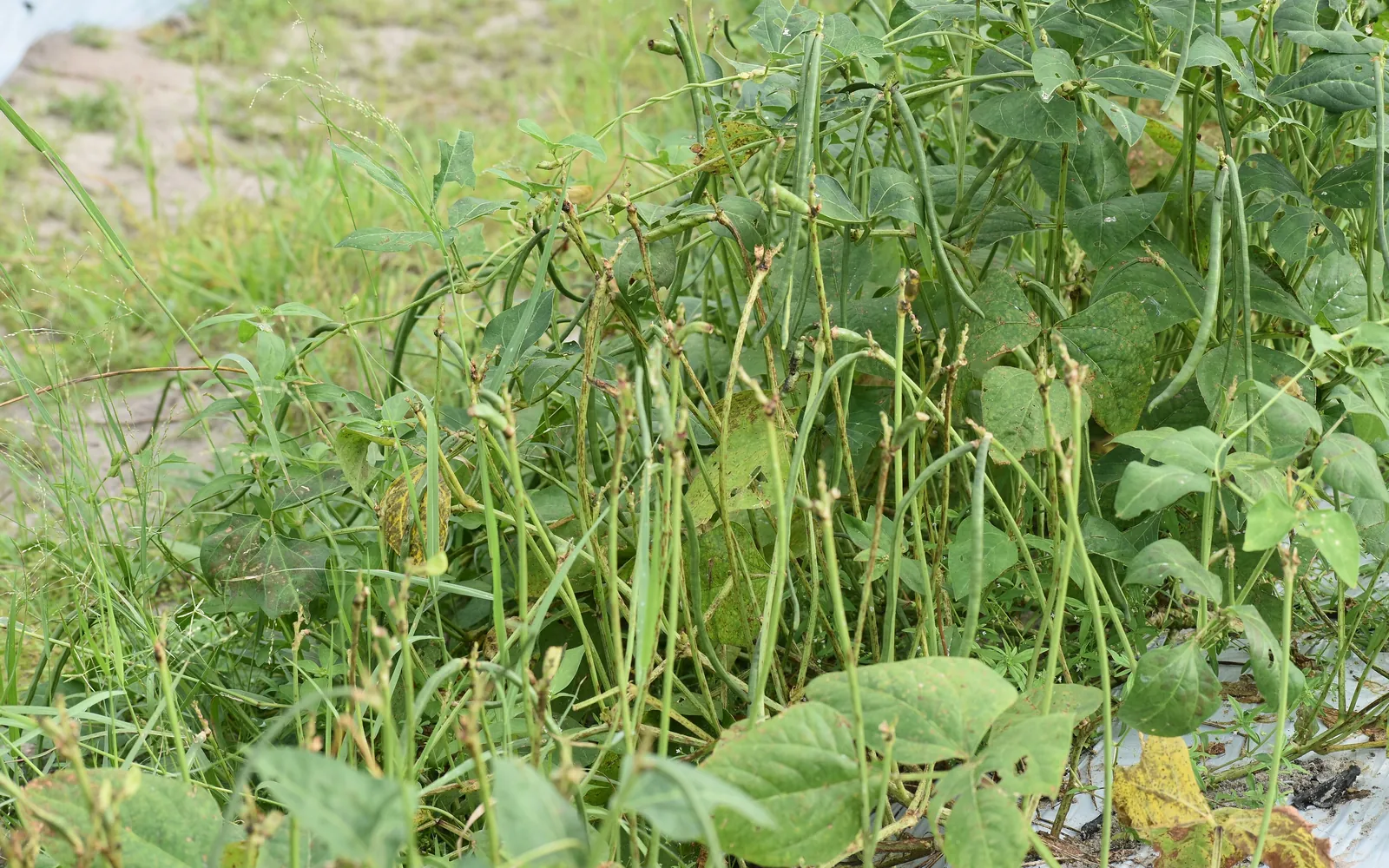
This guide shows how traditional farmers usually plant paayap. Use it as a starting point. For a higher yield, update it: plant certified seed or clean planting material, test your soil, and follow the right spacing and fertilizer.
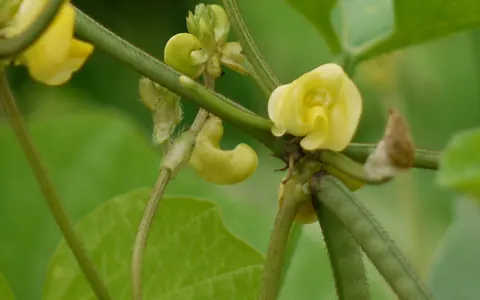
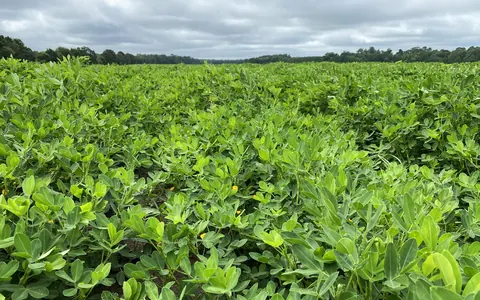
How Filipino farmers grow paayap, the bush cowpea planted after rice for its dry seeds, young pods and tender tops. It is a hardy crop for the dry months and for poor soil.
Before you plant, get the field ready with our land preparation guide for legumes. Then choose your seed or planting material with the paayap varieties sold here. If the leaves turn pale later on, the paayap nutrient deficiency guide helps you find what is missing.
When to plant paayap
Mostly planted after the rice harvest in the dry season, from about November to February, on the moisture left in the field. On uplands it is planted at the start of the rains.
What you plant
Dry seed saved from the last crop, or bought. Farmers pick clean, plump seed.
Paano magtanim ng paayap, step by step
Day 70 is the dry seed harvest. Young pods for cooking are picked a few weeks earlier. The crop is ready about 70 days after sowing.
Before planting (Bago magtanim)
14 days before sowing: Plow
Plow once when the soil is moist enough, or plant straight into the cleared rice stubble.
7 days before sowing: Harrow
Harrow once or twice to break clods and kill sprouting weeds.
1 day before sowing: Open the furrows
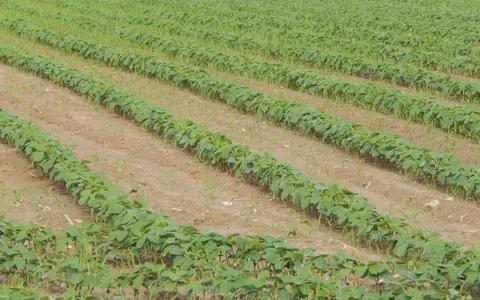
Open shallow furrows about 50 to 60 cm apart.
Planting day (Pagtatanim)
Sowing day: Plant the seed
Drop two seeds a hill, with hills about 20 to 30 cm apart, and cover them with 2 to 3 cm of soil.
Care while it grows (Pag aalaga)
Day 14: Off barring and weeding
Plow lightly along the rows with the soil thrown away from the plants and hand pull the weeds in the row.
Day 21: Hill up
Plow back toward the rows to pile soil at the base of the plants.
Day 25: Watch for aphids and pod borers
Check the tips for aphids and the flowers and pods for pod borers.
Harvest (Anihan)
Day 50: Pick young pods and tops
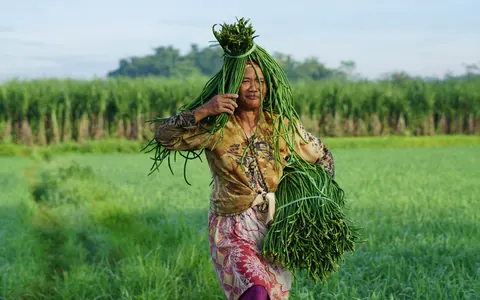
Pick tender pods and young tops for cooking as they come.
Day 70: Pick the dry pods
Pick the pods for seed when they turn dry and pale, in a few rounds.
Day 72: Dry, thresh and store
Sun dry the pods, beat out the seed, winnow, dry again and store in sealed containers.
- Pick seed pods from good plantsTake the seed pods from strong, healthy plants, from the middle of the plant where the pods are fullest. Leave them on the vine until they are dry and pale.
- Sun dry the podsSpread the pods on mats or nets in the sun, or hang them in bunches in an airy shade, until they are brittle.
- Beat out and winnowBeat the dry pods in a tied sack or on a mat with a light stick, then toss the seed on a bilao in the wind to blow off the hulls.
- Dry the seed againSpread the clean seed in the sun once more, turning it, until it is hard. Throw out shriveled seed and seed with weevil holes.
- Do the plastic bag testabout 30 minutesSeal about half a kilo of seed in a clear plastic bag and leave it in the sun. If drops of water form inside within about half an hour, dry the seed some more.
- Store it sealedKeep the seed in a sealed jar, can or thick plastic bag, labeled with the date, in a cool, dry place. A little dry wood ash mixed in keeps weevils off.
Watering paayap, stage by stage
Cowpea is rarely watered: farmers plant it after the rice harvest on the moisture left in the field, or with the rains on upland farms. It stands dry weather well, and growers worry more about water standing in the field. Mostly no watering. Where water is close, a furrow watering from a pump or canal, or hand watering on small plots, in the morning.
Planting: sow into moist soil after the rice or after rain. Flowering and pod set, about day 35 to 55: a long drought cuts the pods.
| Stage | When | How often | How much |
|---|---|---|---|
| Planting and coming up | Sowing day to day 7 | Plant into moist soil. If the soil is dry, water the furrows lightly once | Enough to moisten the seed row, no standing water |
| Leaf growth | Day 7 to 35 | Usually none. Water only if the plants wilt in the morning | A light furrow watering |
| Flowering and pod set | Day 35 to 55 | Water once if the soil has dried and cracked | A furrow watering that soaks in |
| Dry pod harvest | Day 55 to 72 | Stop watering | None |
Without irrigation. This is the usual way. Plant right after the rice harvest while the field is still wet, or at the start of the rains on uplands, on soil that drains well.
In the dry season. After rice it rarely needs water. In a hard dry year, give one furrow watering at flowering if the soil has cracked and the leaves wilt before noon.
In the rainy season. Standing water hurts cowpea. Plant on ridges or well drained ground, open a drain where water collects, and pick the dry pods before long rains rot them.
- Too little water: Leaves droop and turn pale, flowers drop, and the plants stop growing.
- Too much water: Leaves yellow, roots rot and plants die in the low spots.
To water better for a higher yield: If you water only once, do it at flowering. Plant early after the rice so the crop flowers before the soil dries out.
Spacing, water and fertilizer for paayap
Spacing
Rows about 50 to 60 cm apart with two plants a hill every 20 to 30 cm.
Water
Lives on the moisture left after rice or on the rains. Standing water hurts it.
Fertilizer
Usually none after rice. On poor soil a little complete fertilizer (14 14 14) or manure at planting. To read what a bag really gives, see our guide to fertilizer for this crop.
Care and harvest
Care while it grows
Off barring and hilling up in the first three weeks, then hand weeding. Farmers watch for aphids and pod borers.
When and how to harvest
Young pods and tops are picked from about seven weeks for the kitchen. Dry pods are picked at about 65 to 75 days, sun dried, beaten and winnowed.
Common mistakes when planting paayap
- Sowing too late after rice, when the soil has dried out.
- Planting where water stands.
- Leaving dry pods too long in the field, where they split or get wet and mold.
- Storing seed in open sacks where weevils get in.
How to get a higher yield of paayap
The traditional way gets a crop, but small changes add up. These are the first things to change, one season at a time.
- Use clean seed of a variety suited to your purpose, pods or dry seed.
- Sow soon after the rice harvest while the soil is moist.
- Scout at flowering for pod borers and act only when they are many.
- Dry the seed well and keep it in sealed containers.
anee.io helps with each of these. The NPK Plus calculator checks that your fertilizer plan feeds the yield you want, the pest and disease finders tell you what is on the leaves before you spray, and Anee, the smart farm technician answers your questions in Tagalog or English.
Members open this guide in the How to Plant tool and send every step to the Protocol Builder in one tap, each on its own day. There you can change the seed, the spacing and the fertilizer, then turn it into a cropping calendar for your lots.
Start from the traditional way, make it better, and let anee.io date every task from your own planting day. Free to start.
Start freeQuestions about planting paayap
Paano magtanim ng paayap?
When do farmers plant paayap in the Philippines?
How far apart do you plant paayap?
How long before paayap can be harvested?
How often do you water paayap?
What do you plant to grow paayap?
See every step of planting it the traditional way
Register for free to read every step with its day, the spacing, water and fertilizer, the common mistakes and what to change for a higher yield. Then send it to your Protocol Builder in one tap.
Free to register. No credit card. Works on any phone.