Paano Magtanim ng Barley: How to Plant Barley the Traditional Way
Paano magtanim ng barley? Here is how traditional Filipino farmers usually plant sebada (barley), step by step from getting the field ready to the harvest, with the day of each step and what to change for a higher yield.
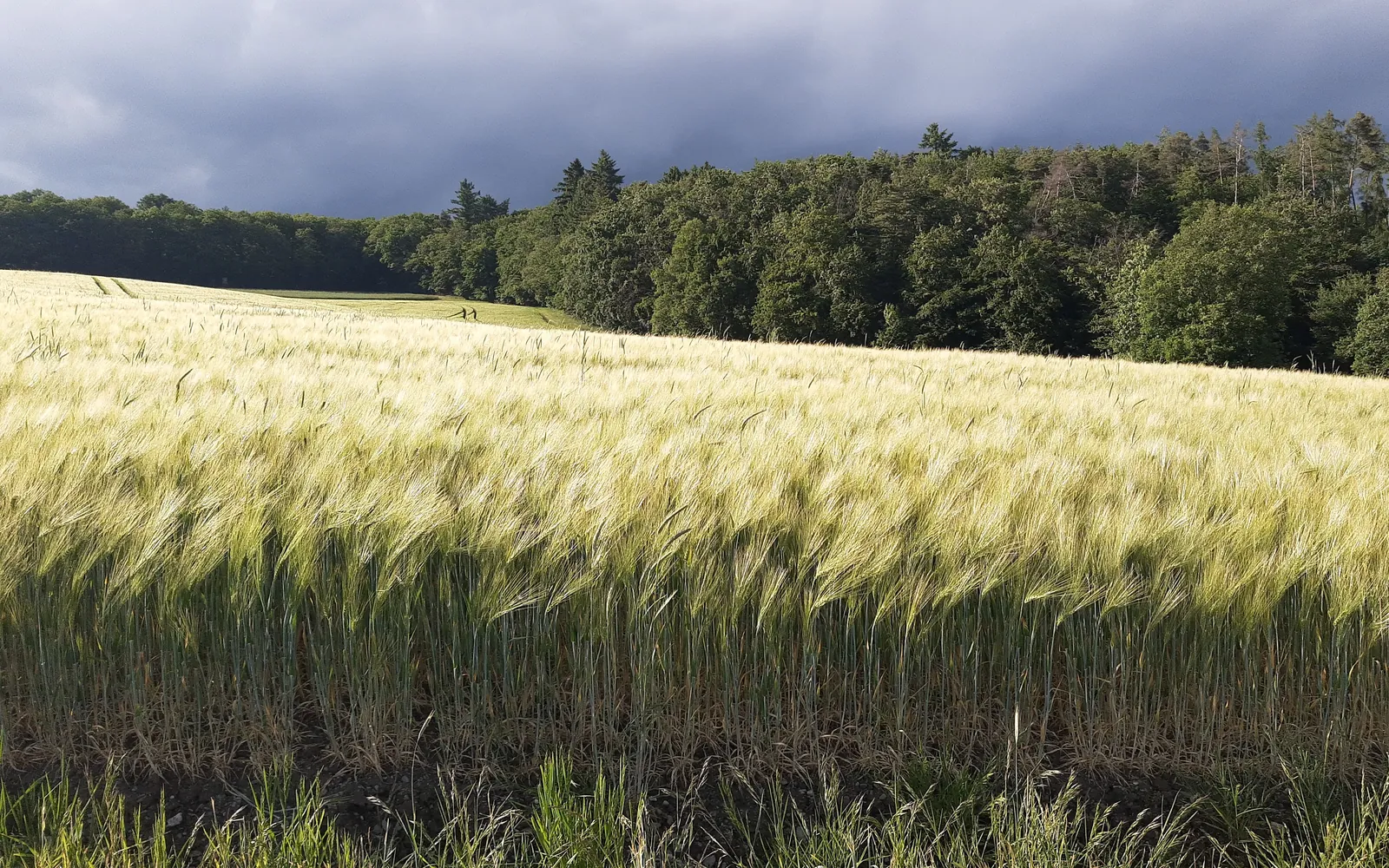
This guide shows how traditional farmers usually plant sebada. Use it as a starting point. For a higher yield, update it: plant certified seed or clean planting material, test your soil, and follow the right spacing and fertilizer.
Barley is grown for grain only in a few trial and hobby plots in the Philippines, mostly in the highlands, while many households grow it in trays only for barley grass. This short guide shows how the few grain growers plant it.
Before you plant, get the field ready with our land preparation guide for corn.
When to plant sebada
Sown in the highlands at the end of the rains, around October to December, so it grows in the cool, dry months. It does poorly in lowland heat and wet weather.
What you plant
Dry seed brought in or shared among growers, sown without soaking.
Paano magtanim ng barley, step by step
The crop is ready about 100 days after sowing.
Before planting (Bago magtanim)
14 days before sowing: Dig or plow to a fine bed
Plow or dig the plot, clear the weeds and rake it fine and level.
Planting day (Pagtatanim)
Sowing day: Sow the seed
Sow thinly in shallow rows about 20 to 25 cm apart and cover with 3 to 5 cm of soil, or scatter and rake in.
Sowing day: Fertilizer at sowing
Work compost or manure and some complete fertilizer (14 14 14) into the rows.
Care while it grows (Pag aalaga)
Day 3: Water if dry
Water the plot if no rain falls in the first days.
Day 21: Weed
Hand pull the weeds while the plants are small.
Day 28: Light urea
Give a light side dressing of urea (46 0 0) at tillering.
Harvest (Anihan)
Day 100: Cut when golden
Harvest when the heads bend over, the straw is golden and the grain is hard. Cut with a sickle and bundle.
Day 102: Dry and thresh
Sun dry the bundles, beat out the grain, winnow and dry the grain before storing.
Watering sebada, stage by stage
The rare barley plots in our highlands are sown at the end of the rains and live on the last of the rain. Growers water by hand in dry spells. Hand watering with a can or a hose on small plots, in the morning.
Heading, flowering and grain filling, about day 40 to 88: a dry spell gives light grain.
| Stage | When | How often | How much |
|---|---|---|---|
| Sowing and coming up | Sowing day to day 10 | Water the plot right after sowing and every few days if no rain falls | Enough to moisten the seed rows, never soggy |
| Tillering | Day 10 to 40 | In dry spells, water about once a week | Soak the rows with a can or a hose |
| Heading and flowering | Day 40 to 65 | Keep the soil moist, watering when the topsoil dries | A good soaking of the rows |
| Grain filling | Day 65 to 88 | Water in dry spells until the grain is firm | A soaking of the rows |
| Ripening | Day 88 to 100 | Stop watering | None |
Without irrigation. Sow at the end of the rains, from October to December, while the soil is still moist.
In the dry season. Water small plots about once a week in dry spells, more at heading, and stop once the grain hardens.
In the rainy season. Barley does poorly in wet, warm weather. Plant on beds that drain and keep water from standing.
- Too little water: Leaves roll and pale, short plants with few heads.
- Too much water: Yellow leaves, leaf spots and moldy heads.
To water better for a higher yield: Water at tillering and at heading if you can water only twice.
Spacing, water and fertilizer for sebada
Spacing
Rows about 20 to 25 cm apart, sown thinly, or broadcast.
Water
Grown on the last of the rains, with hand watering in dry spells on small plots.
Fertilizer
Compost or manure and some complete fertilizer (14 14 14) at sowing, with a light urea (46 0 0) dose at tillering. Too much nitrogen makes it fall over. To read what a bag really gives, see our guide to fertilizer for this crop.
Care and harvest
Care while it grows
Hand weeding in the first month and keeping birds off the ripening heads.
When and how to harvest
Ready at about 90 to 110 days when the straw is golden and the grain hard. Cut, sun dried, threshed by beating and winnowed.
Common mistakes when planting sebada
- Planting in the lowlands or in the rainy season.
- Giving too much urea, so the plants lodge.
- Leaving ripe heads out in the rain, where the grain sprouts.
How to get a higher yield of sebada
The traditional way gets a crop, but small changes add up. These are the first things to change, one season at a time.
- Use seed of a variety meant for warm or tropical highlands.
- Sow only in the cool dry months.
- Test the soil and lime it if acid, since barley dislikes acid soil.
- Keep the plot weed free for the first month.
anee.io helps with each of these. The NPK Plus calculator checks that your fertilizer plan feeds the yield you want, the pest and disease finders tell you what is on the leaves before you spray, and Anee, the smart farm technician answers your questions in Tagalog or English.
Members open this guide in the How to Plant tool and send every step to the Protocol Builder in one tap, each on its own day. There you can change the seed, the spacing and the fertilizer, then turn it into a cropping calendar for your lots.
Start from the traditional way, make it better, and let anee.io date every task from your own planting day. Free to start.
Start freeQuestions about planting sebada
Paano magtanim ng barley?
When do farmers plant sebada in the Philippines?
How far apart do you plant sebada?
How long before sebada can be harvested?
How often do you water sebada?
What do you plant to grow sebada?
See every step of planting it the traditional way
Register for free to read every step with its day, the spacing, water and fertilizer, the common mistakes and what to change for a higher yield. Then send it to your Protocol Builder in one tap.
Free to register. No credit card. Works on any phone.