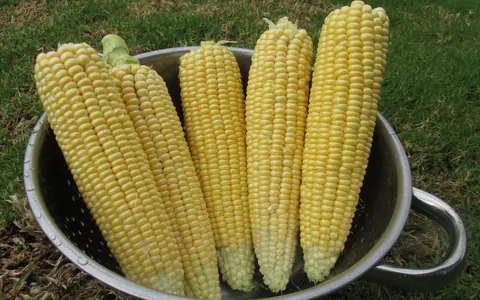
Paano Magtanim ng Mais na Malagkit: How to Plant Corn, White Glutinous the Traditional Way
Paano magtanim ng mais na malagkit? Here is how traditional Filipino farmers usually plant mais na malagkit (corn, white glutinous), step by step from getting the field ready to the harvest, with the day of each step and what to change for a higher yield.
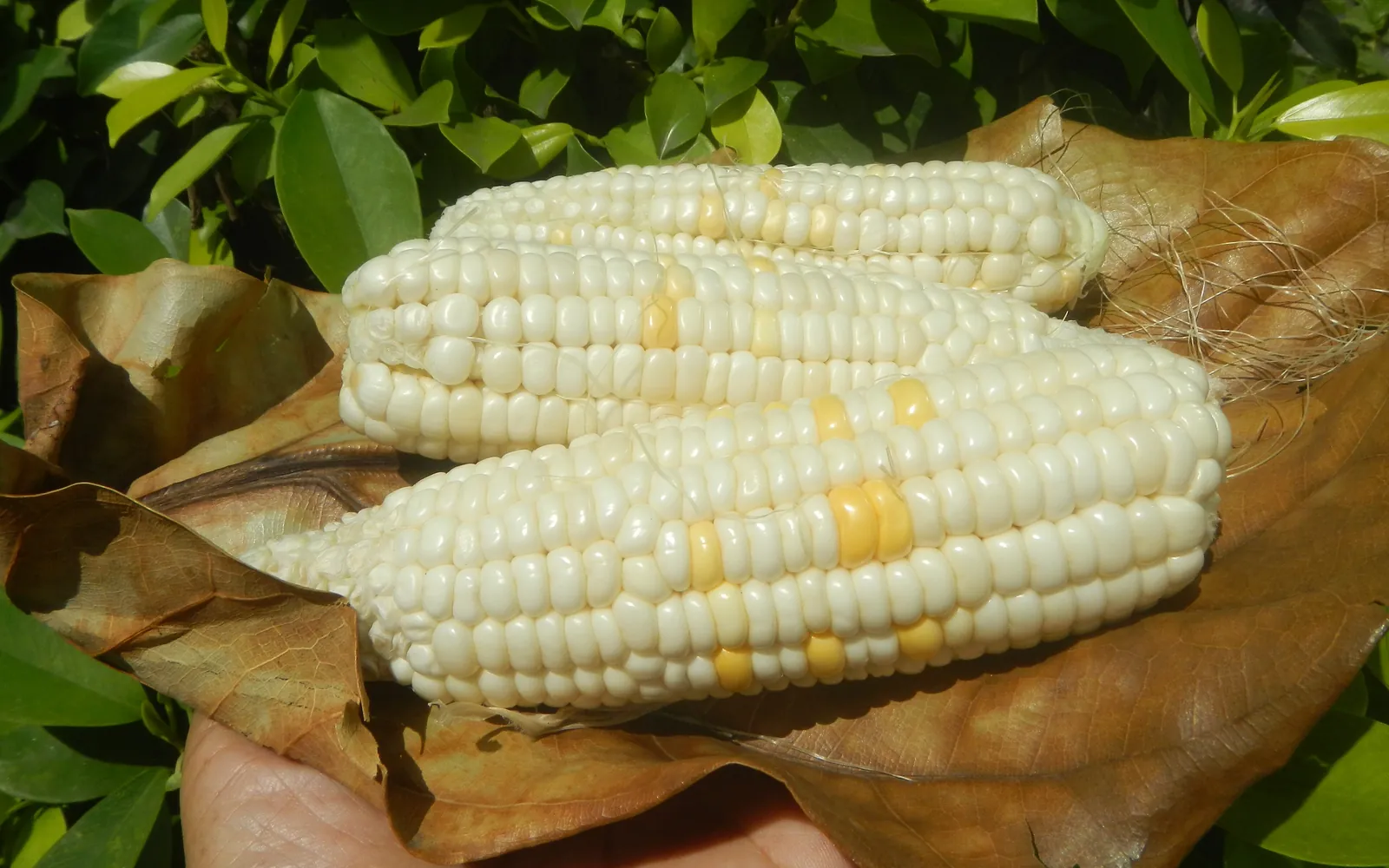
This guide shows how traditional farmers usually plant mais na malagkit. Use it as a starting point. For a higher yield, update it: plant certified seed or clean planting material, test your soil, and follow the right spacing and fertilizer.
How Filipino farmers grow white glutinous corn, the sticky kind boiled or roasted fresh and used in native snacks. Many still plant saved seed of native varieties with the carabao plow, on small lowland plots and on hillsides.
Before you plant, get the field ready with our land preparation guide for corn. Then choose your seed or planting material with the mais na malagkit varieties sold here. If the leaves turn pale later on, the mais na malagkit nutrient deficiency guide helps you find what is missing. For more on the crop, read pagtatanim ng mais in Tagalog.
When to plant mais na malagkit
Planted with the rains from April to June and again from September to December. Where water is available it is grown all year for the fresh ear market.
What you plant
Seed saved from the best, fully dried ears of the last crop, using the plump kernels from the middle of the ear, or bought hybrid glutinous seed. Saved seed is kept dry in a closed container until planting.
Paano magtanim ng mais na malagkit, step by step
The days count to the fresh ear harvest. Ears kept for seed stay on the plant until about 90 to 100 days. The crop is ready about 72 days after sowing.
Before planting (Bago magtanim)
21 days before sowing: Plow the field
Plow once with a carabao or a hand tractor when the soil is moist enough.
10 days before sowing: Harrow
Harrow one or two times to break the clods and kill sprouting weeds.
1 day before sowing: Open the furrows
Open furrows about 75 cm apart with the carabao plow.
Planting day (Pagtatanim)
Sowing day: Drop the seed and cover
Drop one or two seeds every 20 to 30 cm along the furrow and cover them with the foot. On hillsides farmers poke holes with a pointed stick and drop a few seeds in each.
Care while it grows (Pag aalaga)
Day 7: Replant the misses
Replant empty hills in the first week.
Day 14: Off barring and weeding
Plow along the rows with the soil thrown away from the plants to cut the weeds, then hand pull the weeds in the rows.
Day 14: First fertilizer
Farmers who did not fertilize at planting drop complete fertilizer (14 14 14) beside the plants now.
Day 20: Look into the whorls
Check the whorls for fall armyworm and corn borer, and pull out plants with pale striped leaves.
Day 25: Urea and hilling up
Drop urea (46 0 0) beside the plants, then plow toward the rows to cover it and pile soil at the base.
Harvest (Anihan)
Day 72: Pick the fresh ears
Pick for boiling about 20 days after silking, when the silks are dry and brown and the kernels are full, white and still soft when pressed with a thumbnail.
Day 95: Leave seed ears to dry
Leave the best ears on the best plants until the husks are dry, then pick, sun dry and keep the middle kernels for the next planting.
- Choose the mother plantsBefore picking the fresh ears, walk the middle of the field and mark strong, upright plants with healthy leaves and a big, well filled ear closed tight at the tip. Plants at the edges catch pollen from other corn and are passed over.
- Leave them standingPick the fresh ears around the marked plants but leave their ears on the stalk until the husks are brown and dry and the kernels are hard.
- Hang the ears in the smokePull back the husks, tie the ears in bunches by their husks and hang them above the kitchen fire or under the roof, where the smoke keeps weevils off. Ears kept whole stay alive longer than shelled seed.
- Shell the middle kernels at planting timeA few days before planting, shell the ears and keep only the full kernels from the middle of each ear. The small tip kernels and the odd base kernels go to the chickens.
- Store shelled seed sealedSeed shelled early is sun dried well and kept in a closed bottle, can or jar in a cool, dry place until planting.
Watering mais na malagkit, stage by stage
White glutinous corn is mostly rainfed, planted to ride the rains. Growers who sell fresh ears in the dry season run water into the furrows during dry spells, mostly from tasseling until the ears are picked. Rain does most of it. Where water is at hand, a pump or canal fills the furrows one at a time, best in the morning or late afternoon.
Tasseling and silking, about day 45 to 55: never let the soil dry, or many kernels do not form. Ear filling, about day 55 to 70: drought gives small ears with shrunken kernels.
| Stage | When | How often | How much |
|---|---|---|---|
| Planting and coming up | Sowing day to day 7 | Plant into soil moist from rain. If it is dry and you have water, wet the furrows once before or right after planting | Enough to wet the soil around the seed, with no water left standing |
| Young plants and fast growth | Day 7 to 45 | Usually no watering in the rainy months. In dry weeks, water about once a week on sandy soil and every week or two on heavier soil, and soon after the urea and hilling up | One furrow watering that soaks in |
| Tasseling and silking | Day 45 to 55 | Keep the soil moist the whole time. If no rain falls for about a week, run water down the furrows | A full furrow watering |
| Ear filling to fresh picking | Day 55 to 72 | Water in dry spells until picking | A furrow watering when the soil dries |
| Seed ears drying | Day 72 to 95 | Stop watering on the plants kept for seed | No water |
Without irrigation. Plant with the rains, from April to June or from September, so silking comes while the soil is still wet. Run furrows across slopes, keep weeds down, and on hillsides plant in holes that catch the rain.
In the dry season. For fresh ears in the dry months, water about once a week on sandy soil and every week or two on heavier soil, and more often from tasseling on. Water when the leaves roll before noon.
In the rainy season. Make ridges on low ground and keep the furrow ends open, because water standing a day or two around young plants yellows and stunts them.
- Too little water: Leaves roll before noon and turn dull gray green, silks come late and ears fill only partly.
- Too much water: Yellow lower leaves, short pale plants and dead seedlings where water stands.
To water better for a higher yield: If water is short, save it for tasseling, silking and ear filling, the weeks that decide how full the ears are. Rice straw or cut grass between the rows keeps the soil moist longer between waterings.
Spacing, water and fertilizer for mais na malagkit
Spacing
Rows about 75 cm apart with one or two plants every 20 to 30 cm. On hillsides seed is dibbled in holes with a pointed stick.
Water
Mostly rainfed, planted to ride the rains. Growers who sell fresh ears in the dry season run water into the furrows during dry spells.
Fertilizer
Many farmers on native varieties use little fertilizer: some chicken or animal manure, complete fertilizer (14 14 14) at planting or at two weeks, and urea (46 0 0) at hilling up. To read what a bag really gives, see our guide to fertilizer for this crop.
Care and harvest
Care while it grows
Off barring at about two weeks and hilling up at about three to four weeks with the carabao plow, plus hand weeding. Farmers watch the whorls for armyworm and corn borer.
When and how to harvest
Fresh ears are picked about 65 to 75 days after planting, when the kernels are white, full and soft. Seed ears are left until the husks dry, then sun dried and shelled.
Common mistakes when planting mais na malagkit
- Planting near yellow corn that flowers at the same time, which gives yellow, less sticky kernels.
- Keeping seed from small or mixed ears year after year, so the crop gets weaker.
- Picking too late, when the kernels have hardened and lost their soft bite.
- Skipping hilling up, so plants lodge in strong wind.
How to get a higher yield of mais na malagkit
The traditional way gets a crop, but small changes add up. These are the first things to change, one season at a time.
- Plant away from yellow corn, or time planting so the two flower at least two weeks apart.
- Use good seed: fresh hybrid seed, or saved seed from the best ears of many plants.
- Feed by a soil test and split the nitrogen between planting and hilling up.
- Scout weekly for fall armyworm and act while the plants are young.
- Plant in batches a couple of weeks apart to sell fresh ears over a longer time.
anee.io helps with each of these. The NPK Plus calculator checks that your fertilizer plan feeds the yield you want, the pest and disease finders tell you what is on the leaves before you spray, and Anee, the smart farm technician answers your questions in Tagalog or English.
Members open this guide in the How to Plant tool and send every step to the Protocol Builder in one tap, each on its own day. There you can change the seed, the spacing and the fertilizer, then turn it into a cropping calendar for your lots.
Start from the traditional way, make it better, and let anee.io date every task from your own planting day. Free to start.
Start freeQuestions about planting mais na malagkit
Paano magtanim ng mais na malagkit?
When do farmers plant mais na malagkit in the Philippines?
How far apart do you plant mais na malagkit?
How long before mais na malagkit can be harvested?
How often do you water mais na malagkit?
What do you plant to grow mais na malagkit?
See every step of planting it the traditional way
Register for free to read every step with its day, the spacing, water and fertilizer, the common mistakes and what to change for a higher yield. Then send it to your Protocol Builder in one tap.
Free to register. No credit card. Works on any phone.