Paano Magtanim ng Sweet Corn: How to Plant Corn, Sweet the Traditional Way
Paano magtanim ng sweet corn? Here is how traditional Filipino farmers usually plant mais na matamis (corn, sweet), step by step from getting the field ready to the harvest, with the day of each step and what to change for a higher yield.
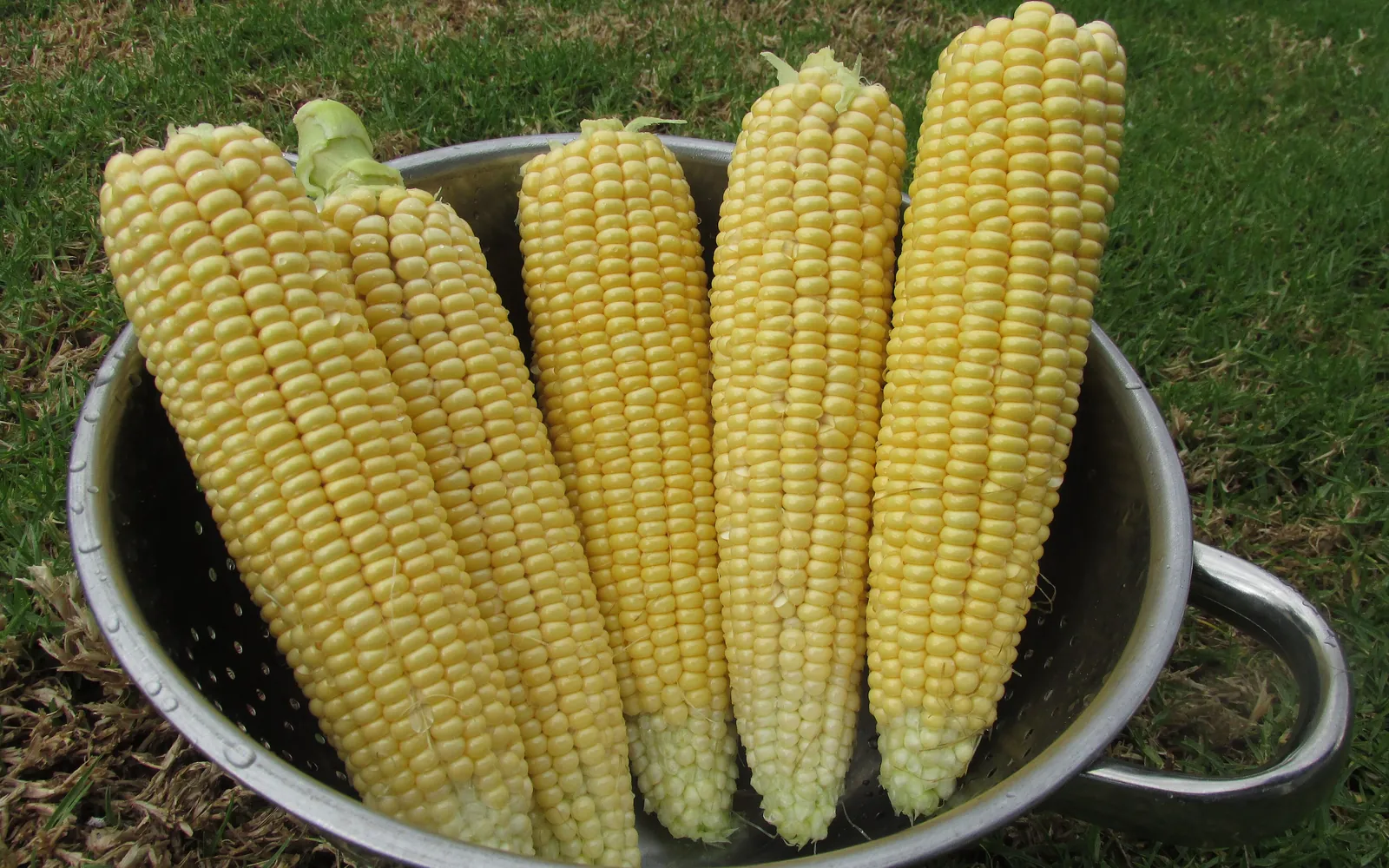
This guide shows how traditional farmers usually plant mais na matamis. Use it as a starting point. For a higher yield, update it: plant certified seed or clean planting material, test your soil, and follow the right spacing and fertilizer.
How Filipino farmers grow sweet corn for fresh ears sold in markets and by the roadside. Most use hybrid seed bought each crop and pick the ears about two and a half months after planting.
Before you plant, get the field ready with our land preparation guide for corn. Then choose your seed or planting material with the mais na matamis varieties sold here. If the leaves turn pale later on, the mais na matamis nutrient deficiency guide helps you find what is missing. For more on the crop, read pagtatanim ng mais in Tagalog.
When to plant mais na matamis
Grown all year where water is available. Rainfed growers plant at the start of the rains, around May to June, and many plant again from October to January, when there is less disease and the ears fill well with watering.
What you plant
Hybrid seed bought new every crop. The seed is small and wrinkled and needs moist, warm soil and a shallow planting. Some growers sow in seedling trays and set the young plants out after about two weeks to save on costly seed.
Paano magtanim ng sweet corn, step by step
The crop is ready about 75 days after sowing.
Before planting (Bago magtanim)
14 days before sowing: Plow and harrow
Plow once and harrow two times to get a fine, loose seedbed. Many growers spread chicken manure before the last harrowing.
1 day before sowing: Open the furrows
Open furrows about 75 cm apart.
Planting day (Pagtatanim)
Sowing day: Fertilizer in the furrow
Drop complete fertilizer (14 14 14) in the furrow and cover it with a little soil.
Sowing day: Plant the seed shallow
Drop one seed every 20 to 25 cm and cover it with only 2 to 3 cm of moist soil, since sweet corn seed rots if buried deep in wet ground.
Care while it grows (Pag aalaga)
Day 1: Water after planting
If the soil is dry, run water into the furrows or water by hand so the seed comes up evenly.
Day 7: Replant the misses
Replant empty hills within the first week so the plants ripen together.
Day 14: Off barring and weeding
Plow lightly between the rows with the soil thrown away from the plants, then hand pull the weeds in the rows.
Day 18: Look into the whorls
Check the whorls for fall armyworm and corn borer damage every few days, since sweet corn is their favorite.
Day 22: Side dress urea
Drop urea (46 0 0) beside the plants on moist soil.
Day 24: Hill up
Plow toward the rows to cover the fertilizer and firm the plants against wind.
Day 45: Water well through silking
Keep the soil moist from tasseling until the ears fill. Dry soil now gives ears with missing kernels.
Harvest (Anihan)
Day 70: Pick the fresh ears
Harvest about 18 to 22 days after the silks appear, when the silks are brown and dry and a pressed kernel gives milky juice. Pick in the cool early morning.
Day 70: Sell or cool the same day
Keep the picked ears in the shade and get them to the buyer the same day, since the sweetness fades quickly in the heat.
Watering mais na matamis, stage by stage
Sweet corn growers water more than field corn growers, because the ears sell on their size and sweetness. In the dry season most run water into the furrows about once a week, or water by hose on small plots, and never let the field dry from tasseling to harvest. Furrow watering from a pump or canal on bigger fields, and a hose or watering can on small plots. Water in the cool early morning or late afternoon.
Tasseling and silking, about day 45 to 55: a dry spell now leaves gaps of missing kernels on the ear. Ear filling, about day 55 to 68: the kernels fill with sugar and water, so drought gives small, less sweet ears. Coming up: the seedbed must stay moist until the seedlings are out.
| Stage | When | How often | How much |
|---|---|---|---|
| Planting and coming up | Sowing day to day 7 | Water right after planting if the soil is dry, then every few days until the seedlings are up | Enough to wet the soil around the seed, never soggy |
| Young plants | Day 7 to 22 | About once a week in dry weather, more often on sandy soil | One furrow watering, or a slow soaking along the row by hose on small plots |
| Fast growth | Day 22 to 45 | About once a week, and soon after the urea and hilling up | Fill the furrows and let the water soak in |
| Tasseling, silking and ear filling | Day 45 to 68 | Keep the soil moist all the time, watering at least once a week in dry weather and more often on sandy soil | A full furrow watering each time |
| Picking | Day 68 to 75 | Keep the soil just moist until the ears are picked | A light watering only if the soil is dry |
Without irrigation. Plant at the start of the rains so the ears fill during the wet weeks, and on raised ridges if the field is low. Mulch with rice straw to keep moisture between rains, and plant only what you can water if the rains stop early.
In the dry season. The dry season crop from October to January needs watering about once a week, more often on sandy soil and in the hot months. Water when the soil a few centimeters down feels dry or the leaves start to roll before noon, and never miss a watering from tasseling to picking.
In the rainy season. Make ridges and keep the furrow ends open so rain drains away, since standing water yellows and stunts the plants. Wet weather also brings more leaf diseases and rotting of the ear tips, so do not water on top of the rain.
- Too little water: Leaves roll in the morning and look gray green, the silks dry before they catch pollen, and the ears come out short with gaps and few kernels at the tip.
- Too much water: Yellow lower leaves, pale stunted plants in the low spots, and seed that rots before it comes up.
To water better for a higher yield: Drip lines along the rows with rice straw mulch use far less water than furrows and keep the soil evenly moist through silking. Plant in blocks a week or two apart only as fast as you can water them, so no block is short of water at silking.
Spacing, water and fertilizer for mais na matamis
Spacing
Rows about 75 cm apart with one plant every 20 to 25 cm.
Water
Needs steady moisture. In the dry season growers run water into the furrows about once a week, more often in sandy soil, and never let the field dry out from tasseling to harvest.
Fertilizer
Chicken manure at land preparation if available, complete fertilizer (14 14 14) in the furrow at planting, and urea (46 0 0) at about three weeks before hilling up. Some growers give a little more urea at tasseling. To read what a bag really gives, see our guide to fertilizer for this crop.
Care and harvest
Care while it grows
Off barring at about two weeks and hilling up at about three to four weeks, with hand weeding in the rows. Growers check the whorls often for fall armyworm and corn borer, which hit sweet corn harder than field corn.
When and how to harvest
Sweet corn is picked fresh, about 65 to 75 days after planting, when the silks are dry and brown and the kernels are full and milky. The ears are sold or cooked within a day.
Common mistakes when planting mais na matamis
- Burying the seed too deep in wet soil, so much of it rots before it comes up.
- Planting next to field corn that flowers at the same time, which makes the kernels starchy and less sweet.
- Letting the soil dry out at silking, which gives ears with gaps.
- Picking too late, when the kernels have turned doughy and starchy.
- Leaving picked ears in the sun for hours before selling.
How to get a higher yield of mais na matamis
The traditional way gets a crop, but small changes add up. These are the first things to change, one season at a time.
- Buy fresh seed of a variety suited to your season and plant into moist, fine soil.
- Keep sweet corn away from other corn, or plant it so it flowers at least two weeks apart.
- Feed by a soil test and split the nitrogen into two or three doses.
- Scout every few days for fall armyworm and act while the larvae are small.
- Plant in small batches every two weeks so you have ears to sell over a longer time.
anee.io helps with each of these. The NPK Plus calculator checks that your fertilizer plan feeds the yield you want, the pest and disease finders tell you what is on the leaves before you spray, and Anee, the smart farm technician answers your questions in Tagalog or English.
Members open this guide in the How to Plant tool and send every step to the Protocol Builder in one tap, each on its own day. There you can change the seed, the spacing and the fertilizer, then turn it into a cropping calendar for your lots.
Start from the traditional way, make it better, and let anee.io date every task from your own planting day. Free to start.
Start freeQuestions about planting mais na matamis
Paano magtanim ng sweet corn?
When do farmers plant mais na matamis in the Philippines?
How far apart do you plant mais na matamis?
How long before mais na matamis can be harvested?
How often do you water mais na matamis?
What do you plant to grow mais na matamis?
See every step of planting it the traditional way
Register for free to read every step with its day, the spacing, water and fertilizer, the common mistakes and what to change for a higher yield. Then send it to your Protocol Builder in one tap.
Free to register. No credit card. Works on any phone.