Citrus Greening: How to Spot It and Protect Your Calamansi and Citrus
Citrus greening, also called huanglongbing or HLB, is a bacterial disease that blotches the leaves and spoils the fruit of calamansi, mandarin and other citrus. It has no cure. This guide shows the signs, the insect that spreads it and the steps that keep your orchard productive longer.
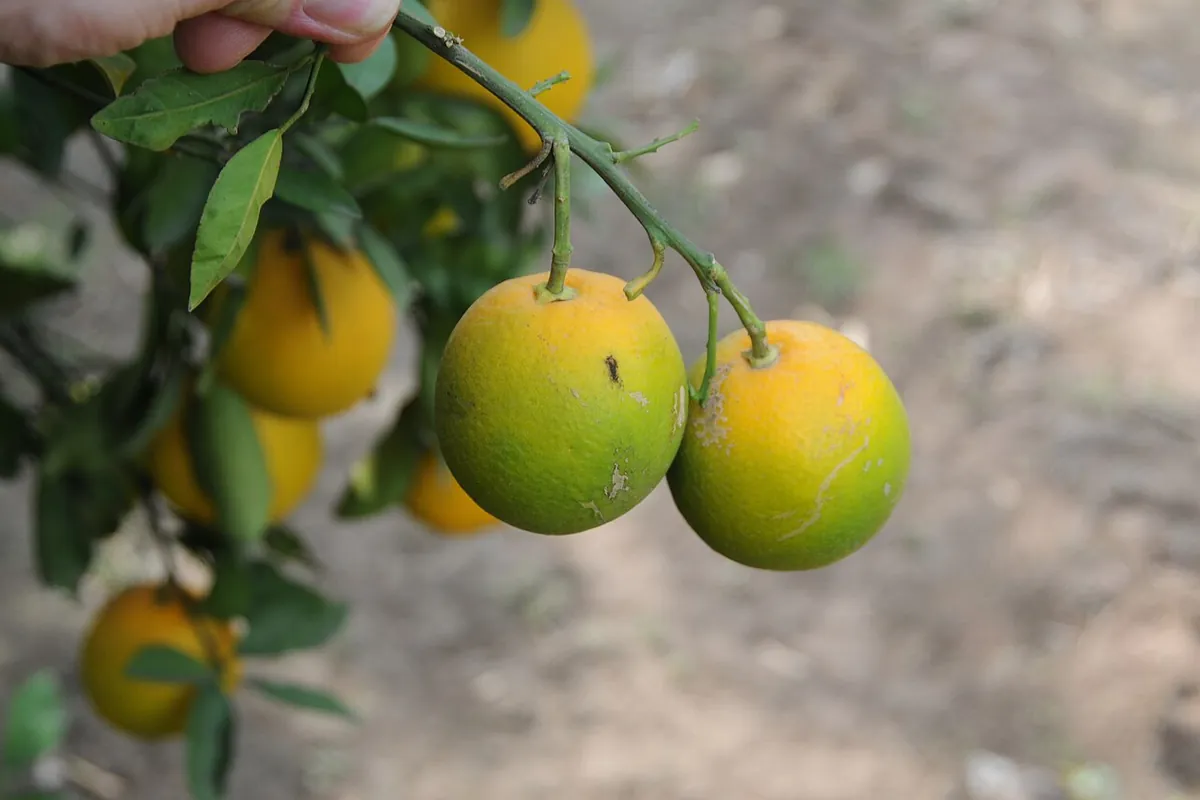
What Is Citrus Greening?
The phloem bacterium Candidatus Liberibacter asiaticus causes citrus greening. It is known as a yellow dragon disease that affects citrus, including mandarins and calamansi. It is spread by the Asian citrus psyllid, Diaphorina citri.
Huanglongbing and citrus tristeza virus are the main causes of low citrus production in the country. Government projects now test mother trees, geotag the infected ones and supply clean planting material. BPI also issued a Special Quarantine Order in 2013 on the movement of citrus plants. If you grow fruit trees in the Philippines, clean seedlings matter more than anything you can spray later.
| Fact | Details |
|---|---|
| Name | Citrus greening |
| Scientific name | Candidatus Liberibacter asiaticus (huanglongbing, HLB) |
| Kind | Bacterium (a bacterial disease) |
| Crops it attacks | Calamansi, mandarin, pomelo, orange and other citrus |
| Local names | None recorded |
| Where it strikes | Leaves, fruits, pods and nuts and the whole plant |
| When it strikes | It can infect citrus at any age, and young flushes of new leaves are when the psyllid insect feeds and spreads it. |
| How it spreads | A small insect called the Asian citrus psyllid carries the bacterium from sick trees to healthy ones. The bacterium also moves in infected budwood and grafted planting material. |
How to Identify Citrus Greening
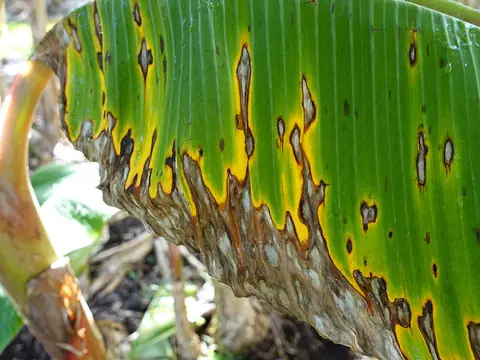
Look at the leaves first. The most telling sign is blotchy mottle, where the leaf shows yellow patches in an uneven pattern. Leaves may be small and upright, and some branches yellow before others. On the fruit, look for small, lopsided and misshapen fruit, and fruit that colors from the stem downward, opposite to healthy fruit. Inside, seeds may abort, the central core may curve, and a yellow stain may show under the stem button. Mineral shortages such as zinc, iron or manganese can look similar, so a laboratory test confirms the disease.
- Leaves show a blotchy mottle, with yellow and green patches in an uneven pattern.
- Some branches turn yellow first, and leaves can be small and upright.
- Fruit is small, lopsided and misshapen.
- Fruit colors from the stem end down, which is the opposite of healthy fruit.
- Cut fruit shows aborted seeds, a curved central core and a yellow stain under the stem button.
Zinc, iron and manganese shortages yellow citrus leaves too, but HLB blotches are uneven and the fruit also shows signs, so ask a laboratory to test a leaf.
How Citrus Greening Hurts Your Crop
Once a tree is infected, there is no cure, and fertilizer will not cure it, though good nutrition can improve the productivity of an affected tree. Huanglongbing is a main cause of low citrus production in the Philippines.
The sources we read give no single national loss figure. For your own farm, count the trees with signs each season. A tree that shows signs gives poorer fruit, and it also feeds the psyllids that infect your healthy trees.
How to Control Citrus Greening
- Start with healthy seedlings. Buy only certified, disease indexed planting material from a protected nursery, such as those supported by BPI and PCAARRD projects.
- Never take budwood or cuttings from a tree that shows signs. Grafting infected budwood is a main way the disease reaches new trees.
- Scout often and remove infected trees. Removing infected trees, planting healthy material and controlling the vector are the core of management.
- Watch the new flushes for psyllids, which prefer tender new growth, and control them.
- Feed and water trees well. Good nutrition does not cure the disease, but it helps the productivity of affected trees.
- Follow the BPI rules on moving citrus plants and planting material, and do not carry them across areas without the right papers.
When a Spray Makes Sense
Spraying cannot cure a sick tree. A spray is only to cut the psyllids that spread the bacterium, mostly on young trees and nursery stock, and only as part of the steps above. Use only products registered for citrus by the FPA and follow the label.
| Active ingredient | IRAC group | On Philippine labels |
|---|---|---|
| Imidacloprid | IRAC 4A | No product sold here names the Asian citrus psyllid on its label yet. Ask your technician before you use it. |
| Thiamethoxam | IRAC 4A | No product sold here names the Asian citrus psyllid on its label yet. Ask your technician before you use it. |
| Mineral oil | IRAC UN | No product sold here names the Asian citrus psyllid on its label yet. Ask your technician before you use it. |
Use only products registered with the Fertilizer and Pesticide Authority, and follow the label for the rate, the timing and the protective clothing. Switch to a different fungicide group next time, so the disease does not learn to survive it. Our guide to plant diseases explains how.
Keep It Out Next Season
- Plant only certified disease free seedlings raised in insect proof screen houses. Never graft budwood from a tree that shows signs.
- Every month in greening areas, look for blotchy mottled leaves, yellow shoots and small lopsided fruit. Kill the psyllids on a sick tree, then remove and burn it.
- Keep kamuning (orange jasmine) and curry leaf away from citrus. Both host the psyllid and the greening bacterium.
- Never bring citrus plants or budwood from greening areas into clean ones, and keep a record of where each tree came from.
- Replant a block all at once with clean trees, and work with neighbors so psyllids from abandoned trees do not reinfect them.
- Feed and water trees well. It does not cure greening, but it keeps lightly hit trees bearing longer.
Natural Enemies and Biological Help
- Ladybird beetles, hoverfly larvae, lacewings and tiny parasitic wasps kill psyllid nymphs. Spare them by spraying only flushes that carry psyllids.
- Horticultural oil, neem or soap sprays on new flushes cut psyllid numbers with less harm to these enemies.
Not Sure What You Are Seeing?
Take a clear photo of the spots or the damage up close, then the whole plant, then ask Anee, the smart farm technician in anee.io, in Tagalog or English. Anee tells you what it most likely is and what to do at the age of your crop. You can also put your scouting days on the cropping calendar, so the team knows when to walk the field.
anee.io keeps your scouting, spraying and harvest on one calendar, and Anee answers when something looks wrong.
- Scouting days dated from each lot's own planting day
- Photos and notes for every lot
- Anee, the smart farm technician, in Tagalog or English
Questions Farmers Ask About Citrus Greening
Can citrus greening be cured?
How does citrus greening spread?
Is calamansi affected?
Stop the spread of Citrus Greening
With Libre + Anee, read the whole guide: how to tell it from look alikes, what makes it spread, and what to spray and when.
The account is free, no credit card.