Paano Magtanim ng Strawberry: How to Plant Strawberry the Traditional Way
Paano magtanim ng strawberry? Here is how traditional Filipino farmers usually plant presa (strawberry), step by step from getting the field ready to the harvest, with the day of each step and what to change for a higher yield.
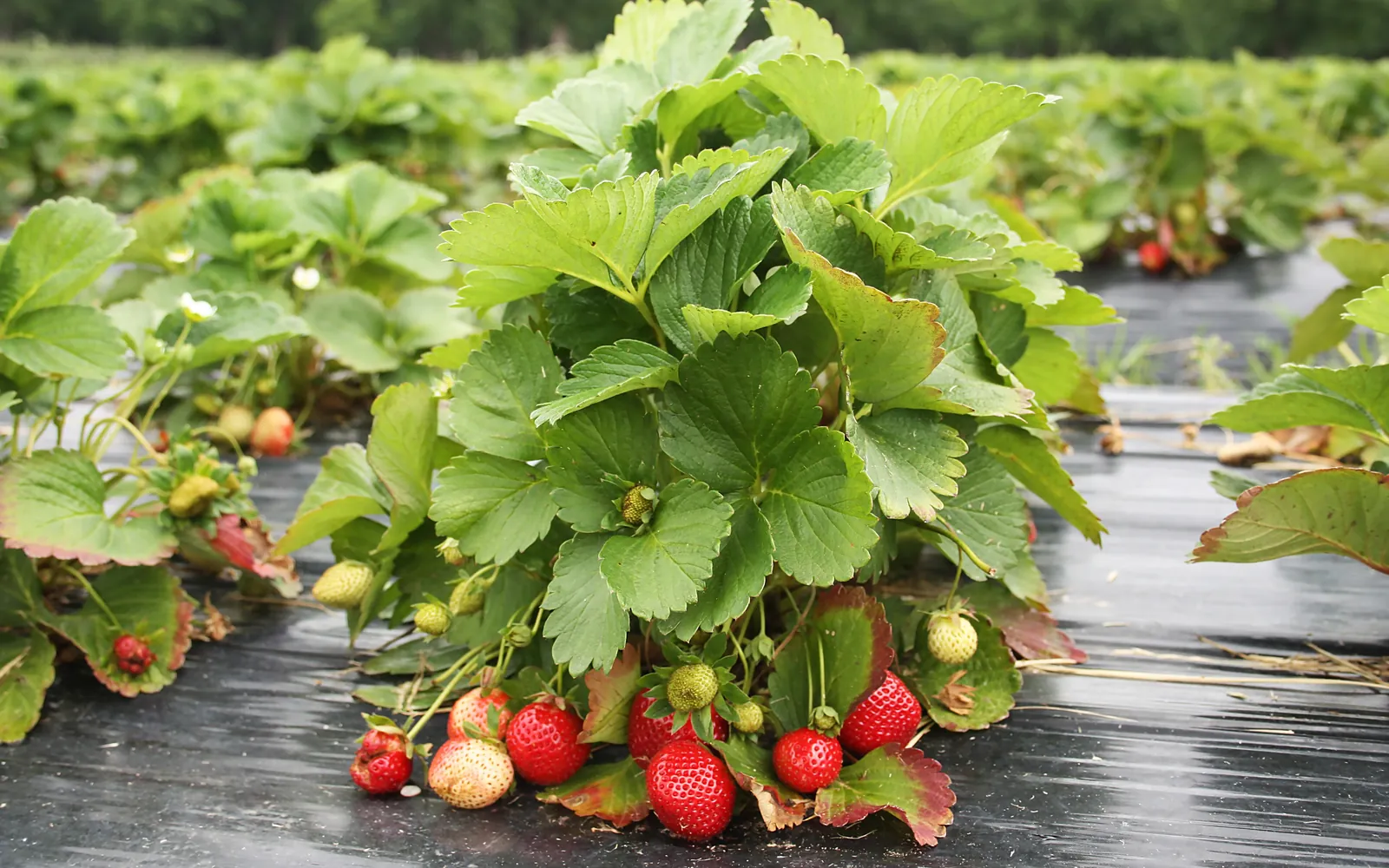
This guide shows how traditional farmers usually plant presa. Use it as a starting point. For a higher yield, update it: plant certified seed or clean planting material, test your soil, and follow the right spacing and fertilizer.
How strawberry is grown in the cool highlands of Benguet, where nearly all Philippine strawberries come from: runners set on raised beds after the typhoon months and berries picked from about December to May. Lowland farms can only grow a few plants in pots, so this guide is for upland growers.
Before you plant, get the field ready with our land preparation guide for vegetables. Then choose your seed or planting material with the presa nutrient deficiency guide. For more on the crop, read pagtatanim ng gulay, vegetables in the Philippines.
When to plant presa
Strawberry needs cool days, about 14 to 23 degrees, to form flower buds, so it is grown mainly around La Trinidad and other high places in Benguet. Open field growers plant after the heavy rains and typhoons, around October to November, and pick from about December up to April or May, the coldest and driest months. Rain spoils the berries, so open field picking lasts about six months.
What you plant
Runners, the young daughter plants that grow on stems from a mother plant. Mother plants make runners in the warm, long days from May to August, and growers root them in small bags or beds before setting them out. Many farmers favor the variety Sweet Charlie for its sweetness, and clean, disease free planting stock is worth buying.
Paano magtanim ng strawberry, step by step
Runners set out in October to November usually start giving berries around December, and picking goes on every few days until about April or May. The crop is ready about 60 days after planting.
Before planting (Bago magtanim)
21 days before planting: Choose and hoe the field
Pick a gentle, well drained upland field near water and easy to reach by road. Hoe the soil two or three times to break it up and kill weeds.
7 days before planting: Raise the beds and add compost
Make raised beds about 16 to 20 cm high and about 1.5 meters wide. Work organic fertilizer or well rotted manure into the beds. About 5 tons for a hectare is split between now and later.
2 days before planting: Cover the beds
Many growers cover the beds with plastic mulch or rice straw so the berries stay clean and the soil stays moist. Punch planting holes in rows along the bed.
The nursery (Punlaan)
30 days before planting: Pick healthy runners
Take well rooted runners only from strong, healthy mother plants, or buy clean planting stock. Throw away runners with spotted or curled leaves.
Planting day (Pagtatanim)
Planting day: Set out the runners
Plant the runners about 25 cm apart, with the crown sitting right at the soil surface, neither buried nor exposed. Water them in well.
Care while it grows (Pag aalaga)
Day 3: Water often, never soggy
Water the beds every few days in dry weather by hose, sprinkler or furrow so the roots never dry out, but drain off any standing water.
Day 7: Replace weak plants
Replace runners that died or stay limp after the first week.
Day 14: Weed and feed
Pull weeds from the planting holes and paths. Every two weeks some growers spray a mild organic foliar feed such as vermi tea.
Day 21: Scout for pests and leaf spots
Check under the leaves for aphids and spider mites, which leave fine webbing, and look for cutworms, armyworms and slugs at night. Yellow sticky traps and a mild soap spray help, and spotted leaves should be removed.
Day 30: Second dose of compost
Give the second share of the organic fertilizer along the rows and water it in.
Day 35: Pinch runners and old leaves
While the plants bear, pinch off new runners and dead leaves so the plant puts its strength into the berries.
Day 180: Keep mother plants for runners
When the season ends, keep the healthiest plants as mother plants on a clean bed. Let them make runners from May to August for the next planting.
- Choose the mother plantsKeep only vigorous, disease free plants about a year old, of the variety you want, as mothers. Leave behind plants with spotted, curled or mottled leaves.
- Set them on a clean bedPlant the mothers on a raised bed about 16 to 20 cm high, about 25 cm apart, all facing the outer side of the bed so the runners grow out evenly on one side.
- Let them run in the warm monthsabout 4 months, May to AugustThe mothers send out runners in the warm, long days from about May to August. Keep the bed weeded and watered while the runners grow.
- Root the daughter plantsAs each young daughter plant forms on a runner, press it onto the soil of the bed or into a small bag of soil set beside it, while it is still joined to the mother. Cut the runner stem only after the daughter has made its own roots.
- Pull out off types and sick plantsWalk the bed often and pull out any plant that does not look like the variety, and any sick plant, so their runners do not end up in the new field.
Harvest (Anihan)
Day 60: Pick ripe berries
Pick berries that are fully or nearly all red, in the cool of the morning, every two or three days. Hold the stalk, not the berry, and lay them in shallow trays.
Day 61: Keep them cool
Keep the trays in the shade, do not stack them high, and sell the berries within a day or two.
Watering presa, stage by stage
Strawberry growers in La Trinidad and other high places water often and lightly by hose, sprinkler or furrow so the shallow roots never dry, on raised beds that drain. Water is scarce in some strawberry areas in the dry months, so many growers lay plastic mulch or rice straw on the beds to hold moisture. Hoses, sprinklers and furrows between raised beds are the usual ways. Growers with mulch often use drip lines under it. Water early in the morning so the leaves and berries dry fast.
The first two weeks after setting out the runners. Flowering and fruiting through the dry months: low water gives fewer, smaller berries.
| Stage | When | How often | How much |
|---|---|---|---|
| Runners in the nursery | 30 days before planting to planting day | Keep the soil around the rooting runners moist with light, frequent watering | Light sprinkles, never soggy |
| Beds ready | 2 days before planting to planting day | Water the beds before laying the mulch and planting | Wet the bed through |
| Setting out and rooting | Planting day to day 14 | Water the runners in well at planting, then every day or two in dry weather until new leaves show | Moisten the soil around each crown without burying it in mud |
| Leafy growth | Day 14 to 45 | Water every few days in dry weather. Water in the second compost dose | Light waterings that keep the top soil moist, drain off any standing water |
| Flowering and picking | Day 45 to 180 | Keep watering every few days in the dry months, at the base or in the furrow, early in the day | Light, steady waterings. Keep water off the flowers and berries where you can |
Without irrigation. Open field strawberry is planted after the heavy rains and typhoons, around October to November, and fruits through the cool dry months, so it cannot live on rain alone. Without a water line, keep the beds close to a spring or tank, cover them with plastic mulch or rice straw, and water each plant by can.
In the dry season. Water every few days, more often in hot or windy spells and on light soil, so the shallow roots never dry. Water when the top soil under the mulch is dry to the touch or the leaves droop by midday. In drought years, mites also build up on thirsty plants.
In the rainy season. Use raised beds that drain and do not water in rainy weeks. Rain and soaked soil rot the berries and the crowns and spread leaf spots, which is why open field picking ends when the rains start.
- Too little water: Leaves droop and their edges turn brown and crisp, flowers dry up, and the berries stay small and few.
- Too much water: Crowns and roots rot, the leaves yellow and spot, and the berries turn soft and moldy.
To water better for a higher yield: Plastic mulch or rice straw on the beds holds moisture and keeps the berries clean. It helped many growers through a drought year. A drip line under the mulch waters the roots without wetting the berries, which cuts rot.
Spacing, water and fertilizer for presa
Spacing
Raised beds about 1.5 meters wide and 16 to 20 cm high, with plants about 25 cm apart in rows along the bed.
Water
Frequent light watering by hose, sprinkler or furrow so the shallow roots never dry, with good drainage so water does not stand. Water is scarce in some strawberry areas, so mulch helps a lot.
Fertilizer
Organic fertilizer or well rotted manure, about 5 tons for a hectare, split between bed making and about a month after planting. Some growers add an organic foliar feed every two weeks. To read what a bag really gives, see our guide to fertilizer for this crop.
Care and harvest
Care while it grows
Mulch of plastic or rice straw on the beds, regular weeding, and pinching of runners and dead leaves while the plants bear. Pests are watched closely, with yellow sticky traps, soap spray and removal of spotted leaves, and crops are rotated to cut soil diseases.
When and how to harvest
Berries are picked fully or nearly all red, in the cool morning, every two or three days, from about December to April or May in the open field. They are held by the stalk, laid in shallow trays, kept in the shade and sold within a day or two, because they bruise and spoil fast.
Common mistakes when planting presa
- Trying to grow strawberry in the hot lowlands, where it flowers poorly and the plants decline.
- Using runners from old or sickly mother plants, which carry disease into the new field.
- Burying the crown when planting, which rots the plant.
- Planting during the typhoon months, when rain and flooding destroy plants and runners.
- Leaving runners to grow while the plants bear, which gives fewer and smaller berries.
How to get a higher yield of presa
The traditional way gets a crop, but small changes add up. These are the first things to change, one season at a time.
- Buy clean, disease free planting stock and renew mother plants every year.
- Have the soil tested. Strawberry likes loamy soil near pH 5.5 to 6.5.
- Grow under a simple rain shelter or on raised elevated beds to stretch the season and save berries from rain.
- Use drip irrigation under plastic mulch to save scarce water.
- Scout weekly for mites and aphids and use integrated pest management, with predatory mites where available.
- Rotate strawberry beds with other crops to cut soil diseases.
anee.io helps with each of these. The NPK Plus calculator checks that your fertilizer plan feeds the yield you want, the pest and disease finders tell you what is on the leaves before you spray, and Anee, the smart farm technician answers your questions in Tagalog or English.
Members open this guide in the How to Plant tool and send every step to the Protocol Builder in one tap, each on its own day. There you can change the seed, the spacing and the fertilizer, then turn it into a cropping calendar for your lots.
Start from the traditional way, make it better, and let anee.io date every task from your own planting day. Free to start.
Start freeQuestions about planting presa
Paano magtanim ng strawberry?
When do farmers plant presa in the Philippines?
How far apart do you plant presa?
How long before presa can be harvested?
How often do you water presa?
What do you plant to grow presa?
See every step of planting it the traditional way
Register for free to read every step with its day, the spacing, water and fertilizer, the common mistakes and what to change for a higher yield. Then send it to your Protocol Builder in one tap.
Free to register. No credit card. Works on any phone.