Paano Magtanim ng Repolyo: How to Plant Cabbage the Traditional Way
Paano magtanim ng repolyo? Here is how traditional Filipino farmers usually plant repolyo (cabbage), step by step from getting the field ready to the harvest, with the day of each step and what to change for a higher yield.
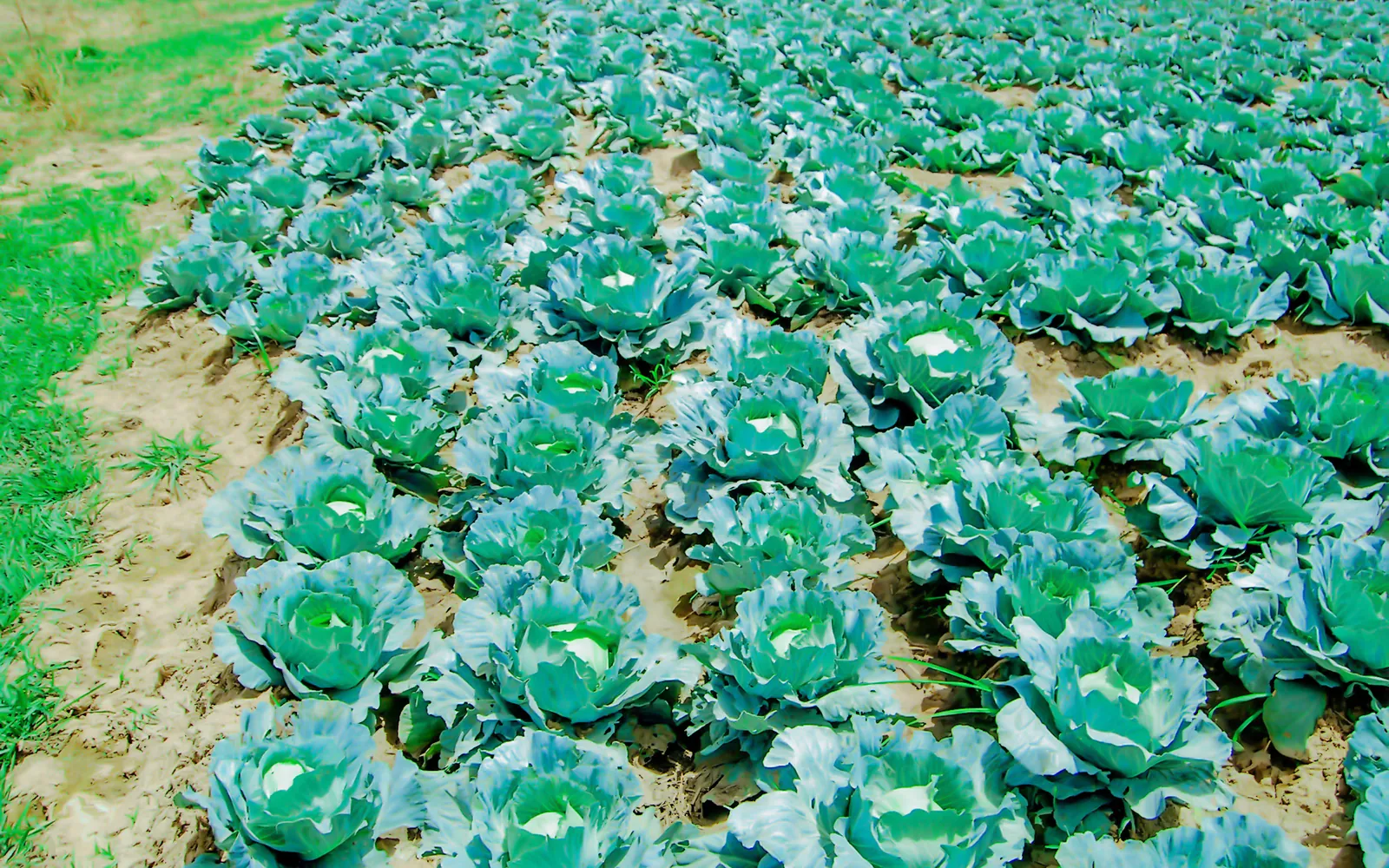
This guide shows how traditional farmers usually plant repolyo. Use it as a starting point. For a higher yield, update it: plant certified seed or clean planting material, test your soil, and follow the right spacing and fertilizer.
How Filipino farmers usually grow repolyo from seedlings raised in a seedbed and set out on beds or ridges, in the highlands all year and in the lowlands in the cool months. For small farms that want the usual routine first, then the changes that bring firmer, cleaner heads.
Before you plant, get the field ready with our land preparation guide for vegetables. Then choose your seed or planting material with the repolyo varieties sold here. If the leaves turn pale later on, the repolyo nutrient deficiency guide helps you find what is missing. For more on the crop, read pagtatanim ng gulay, vegetables in the Philippines.
When to plant repolyo
In the highlands, such as Benguet, Mountain Province and the Bukidnon uplands, cabbage is grown in most months, with extra care in the heavy rain months. In the lowlands it is grown only in the cooler months, usually with seed sown around September to November and heads cut by February, using varieties that take some heat.
What you plant
Seed, about 200 to 250 g a hectare, sown in a seedbed or seed boxes. Seedlings are pricked out, fed lightly, hardened, and transplanted at about 25 to 35 days old, when they are short and sturdy.
Paano magtanim ng repolyo, step by step
The crop is ready about 65 days after transplanting.
Before planting (Bago magtanim)
21 days before transplanting: Plow and harrow
Clear the old crop and weeds, then plow and harrow two to three times about a week apart.
3 days before transplanting: Form ridges or beds and add manure
Make ridges about 50 cm apart in the lowlands, or raised beds about 1 m wide where drainage is poor and in the highlands. Mix chicken dung or other manure into the soil.
The nursery (Punlaan)
30 days before transplanting: Make the seedbed and sow
Prepare a bed about 1 m by 10 m in full sun near water, or seed boxes with garden soil, rotted manure, sand and rice hull ash. Clean the soil by burning rice straw on top or pouring boiling water, then sow in shallow lines about 5 cm apart and cover lightly. Tip: Highland growers often put a plastic roof over the seedbeds against hard rain.
- Pick a sunny, level spotSet the seedbed on level ground in full sun and close to water. A bed about 1 m wide and 10 m long is the usual size. For a small planting, use wooden seed boxes instead.
- Mix the seed box soilFor boxes, take two parts each of garden soil, well rotted manure and rice hull ash, add one part each of sand and compost, and mix well. The mix stays loose, so the roots come out whole at pricking time.
- Clean the soilPour boiling water over the bed or the box mix and cover it with plastic until it cools, or spread dry rice straw over the bed and burn it. This kills the fungus that makes seedlings fall over at the base.
- Water, then sow in linesWater the bed or box before sowing. Draw shallow lines across it about 5 cm apart, drop the seed thinly along each line and cover it lightly with fine soil. Tip: About 200 to 250 grams of seed raises enough seedlings for one hectare.
- Soak it for the first daysfirst 3 daysKeep the bed fully wet for the first three days, then water less once the seedlings are up so the soil does not stay soggy.
- Roof it against hard rainIn the highlands and in the rainy months, set a simple plastic roof over the bed so heavy rain does not beat the seedlings down or wash the seed out.
23 days before transplanting: Prick out the seedlings
About a week after the seedlings come up, move the sturdy, healthy ones to another bed or box about 5 by 5 cm apart.
- Ready a second bed or boxFill another box or prepare another small bed with the same clean soil mix, and water it well before you start.
- Choose the sturdy onesabout a week after they come upAbout a week after the seedlings come up, pick only the short, sturdy, healthy ones. Leave behind the thin, pale or spotted seedlings.
- Lift and reset themLift each seedling with a little soil on its roots, holding it by a leaf and not by the stem. Set them about 5 by 5 cm apart in the new bed and firm the soil around each one.
- Water and shadeWater them gently right after moving and keep them out of the hottest sun until they stand up again.
16 days before transplanting: Feed the seedlings
One week after pricking, water the seedlings with a weak mix of complete fertilizer in water, then sprinkle plain water so the leaves do not burn.
7 days before transplanting: Harden the seedlings
In the last week, water the seedlings only when they start to wilt so they toughen up before transplanting.
Planting day (Pagtatanim)
Transplanting day: Transplant late in the afternoon
Set one hardened seedling a hill on moist soil, with the growing tip above the soil. On ridges plant 40 cm apart. On beds use two rows 50 by 40 cm, or about 30 to 35 cm each way for small heads. Water right away. Tip: Shade newly set plants with pieces of banana stalk or leaves for a few days.
- Pick the right seedlingsUse hardened seedlings about 25 to 35 days old that are short and stocky, with a good ball of roots. Tall, soft seedlings break and wilt in the field.
- Plant on moist soil in the late afternoonPlant when the soil is moist and the sun is low, so the seedlings have the cool night to settle. Set them at the same depth they grew in the seedbed, with the growing tip above the soil.
- Firm the soil and waterPress the soil firmly around the roots so no air pockets are left, then water each plant right away.
- Cover them for a few daysShade each new plant with a piece of banana stalk, a few leaves or a twig with leaves until it stops wilting at midday.
Care while it grows (Pag aalaga)
Day 4: First fertilizer
Three to five days after transplanting, put complete fertilizer (14 14 14) a little away from the plants and cover it.
Day 7: Replace dead seedlings
Fill gaps with spare seedlings from the seedbed in the first week.
Day 14: Scout for worms and moths
Check under the leaves for the small green larvae of the diamondback moth, webbed larvae at the growing tip, cutworms and aphids. Crush egg masses by hand.
Day 18: Cultivate, weed and mulch
Loosen the soil and pull weeds two to three weeks after transplanting. Rice straw laid between plants keeps weeds down and the soil moist.
Day 30: Side dress urea
About a month after transplanting, put urea 6 to 8 cm from the base of each plant and cover it with soil.
Day 35: Water by furrow as needed
Water through the furrows every week or so in dry weather, then water less once the heads start to form so they do not crack or rot.
Day 61: Sort and pack
Throw rotten heads into the compost pit, dab the cut base with lime water against rot, and pack the heads in sacks or crates kept in the shade.
Harvest (Anihan)
Day 60: Cut the firm heads
When the heads feel hard and compact, cut them with a sharp knife, leaving a few wrapper leaves to protect the head.
Watering repolyo, stage by stage
Lowland growers water cabbage right after transplanting and then run water down the furrows about once every week or two in dry weather. In the highlands many farmers water with sprinklers fed by long hoses from springs and creeks, and everyone waters less once the heads are nearly firm so they do not crack. Lowland farms run water down the furrows from a canal or a small pump. Highland farms mostly use sprinklers fed by hoses from springs, and backyard growers use a watering can. Water in the morning so the leaves dry before night.
The first three days in the seedbed, which must stay fully wet. The first week after transplanting, until the plants stand up and put out new leaves. Head forming and filling: steady moisture, with no long dry spell and no sudden flooding.
| Stage | When | How often | How much |
|---|---|---|---|
| Sowing in the seedbed | 30 to 27 days before transplanting | Water the bed before sowing, then keep it fully wet for the first three days | Soak the bed or seed box each time with a fine can |
| Seedlings and pricking out | 27 to 7 days before transplanting | Once the seedlings are up, water lightly in the morning only when the top soil starts to dry. Water and shade them right after pricking out | Light sprinkles, never soggy. Rinse with plain water after the fertilizer drench |
| Hardening | 7 days before transplanting to transplanting day | Water only when the seedlings start to wilt | A light watering, just enough for them to perk up |
| Transplanting and settling | Transplanting day to day 7 | Water each plant right after transplanting, then every day or two if no rain falls until new leaves show | Soak the soil around each hill. The field should be moist, not muddy |
| Leaf growth | Day 7 to 35 | Furrow water about every 8 days on light soil and every 10 to 12 days on heavy soil in dry weather. Water after each side dressing | Fill the furrows until the ridge or bed is wet through, then let them drain |
| Head forming and filling | Day 35 to 55 | Keep to the same steady schedule until the heads are full and firm, but with lighter waterings | Moist soil, never flooded. Avoid a long dry spell followed by a heavy soaking |
| Firm heads to harvest | Day 55 to 60 | Stop watering once the heads are firm and cut them on a dry day | No water |
Without irrigation. Lowland cabbage goes in toward the end of the rains so it grows on the moisture left in the soil during the cool months. Without a pump, keep the plot near a well or creek, lay rice straw between the plants right after transplanting to hold moisture and keep weeds down, and water by can at the base of each plant when the soil dries.
In the dry season. In the dry months water by furrow about every 8 days on light soil and every 10 to 12 days on heavy soil, more often on very sandy soil or in hot wind. Water when the soil a few cm down is dry or the leaves droop and stay limp into the late afternoon.
In the rainy season. Plant on raised beds about 1 m wide or on high ridges where drainage is poor, and keep the furrows open to a drain. Skip watering when the rains come. Soaked soil brings stem and root rot, and heavy rain on nearly mature heads makes them crack and rot.
- Too little water: Leaves droop and turn dull, the plants stay small and the heads come out small, loose or late.
- Too much water: Lower leaves yellow and wilt, the stem base rots, and the heads split or decay at the core.
To water better for a higher yield: Rice straw mulch laid right after transplanting keeps the soil moist and cool, saves water and keeps weeds down. Keep the watering regular and lighter as the heads fill instead of letting the field dry and then flooding it, to avoid split heads.
Spacing, water and fertilizer for repolyo
Spacing
Lowland ridges about 50 cm apart with plants 40 cm apart. On raised beds two rows 50 by 40 cm. Highland growers on beds often plant 30 to 35 cm each way for smaller heads. One seedling a hill.
Water
Watered right after transplanting, then by furrow or sprinkler about every 8 to 12 days in dry weather, depending on the soil. Young plants need steady moisture. Once heads form farmers water less so the heads do not split or rot.
Fertilizer
Cabbage is a heavy feeder. Highland farmers are known for heavy use of chicken dung on the beds, about 2 to 3 tons a hectare or more, plus complete fertilizer and urea. A common lowland guide is 3 bags of 14 14 14 a hectare three to five days after transplanting and 3 bags of urea at about 30 days. To read what a bag really gives, see our guide to fertilizer for this crop.
Care and harvest
Care while it grows
Hand weeding and shallow cultivation from two to three weeks after transplanting until the plants are half grown, rice straw or plastic mulch, light hilling up with the side dressing, and frequent checks for diamondback moth and cabbage head borers.
When and how to harvest
Lowland varieties are usually ready about 55 to 60 days after transplanting and many highland varieties at about 60 to 75 days, when the heads are firm. Heads are cut with a knife with some wrapper leaves left on, sorted, and packed in sacks or crates. Heads left too long, or pushed by too much water and fertilizer, split.
Common mistakes when planting repolyo
- Transplanting old, leggy seedlings that were never hardened, so many die or head poorly.
- Planting in the hot lowland months with a variety meant for the cool highlands.
- Heavy watering once the heads form, which makes them crack and rot.
- Spraying on a fixed calendar, which kills the small wasps that keep diamondback moth down.
- Growing cabbage after cabbage family crops on the same beds year after year, so club root and soil pests build up.
- Leaving firm heads in the field too long until they split.
How to get a higher yield of repolyo
The traditional way gets a crop, but small changes add up. These are the first things to change, one season at a time.
- Choose a variety for your elevation and season, with heat tolerance for lowland planting.
- Test the soil, lime acid soils and fertilize by the result instead of piling on dung and urea.
- Raise clean, hardened seedlings in a covered seedbed or trays.
- Scout twice a week and act only when worm counts climb, so natural enemies survive.
- Rotate with crops outside the cabbage family and plow under old crop debris after harvest.
- Harvest at the firm head stage and keep the heads shaded on the way to market.
anee.io helps with each of these. The NPK Plus calculator checks that your fertilizer plan feeds the yield you want, the pest and disease finders tell you what is on the leaves before you spray, and Anee, the smart farm technician answers your questions in Tagalog or English.
Members open this guide in the How to Plant tool and send every step to the Protocol Builder in one tap, each on its own day. There you can change the seed, the spacing and the fertilizer, then turn it into a cropping calendar for your lots.
Start from the traditional way, make it better, and let anee.io date every task from your own planting day. Free to start.
Start freeQuestions about planting repolyo
Paano magtanim ng repolyo?
When do farmers plant repolyo in the Philippines?
How far apart do you plant repolyo?
How long before repolyo can be harvested?
How often do you water repolyo?
What do you plant to grow repolyo?
See every step of planting it the traditional way
Register for free to read every step with its day, the spacing, water and fertilizer, the common mistakes and what to change for a higher yield. Then send it to your Protocol Builder in one tap.
Free to register. No credit card. Works on any phone.