Paano Magtanim ng Sibuyas Tagalog: How to Plant Shallot the Traditional Way
Paano magtanim ng sibuyas tagalog? Here is how traditional Filipino farmers usually plant sibuyas Tagalog (shallot), step by step from getting the field ready to the harvest, with the day of each step and what to change for a higher yield.
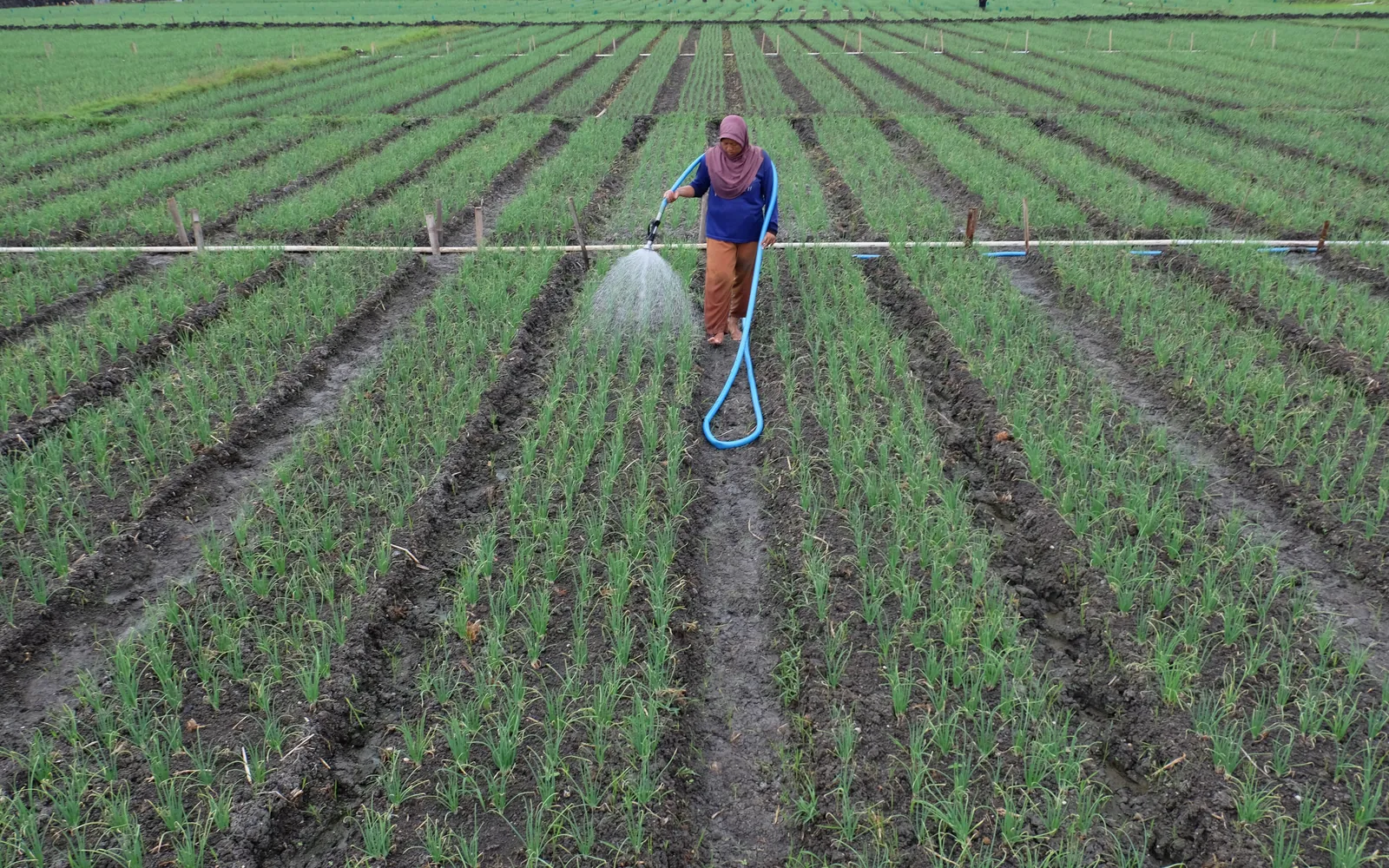
This guide shows how traditional farmers usually plant sibuyas Tagalog. Use it as a starting point. For a higher yield, update it: plant certified seed or clean planting material, test your soil, and follow the right spacing and fertilizer.
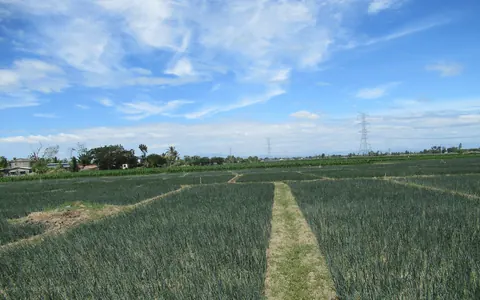
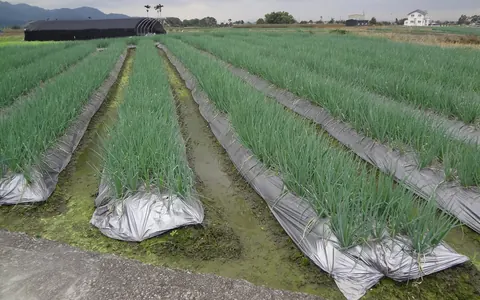
How Filipino farmers grow sibuyas tagalog, the small red multiplier onion called lasona in Ilocos, planted from bulbs in rice fields after the harvest. Each bulb splits into a clump of new bulbs in about three months.
Before you plant, get the field ready with our land preparation guide for onion and garlic. Then choose your seed or planting material with the sibuyas Tagalog nutrient deficiency guide.
When to plant sibuyas Tagalog
Planted after the rice harvest, from about October to December in the Ilocos Region and Central Luzon, and pulled from about January to March.
What you plant
Bulbs from the last harvest, cured and kept hanging in bundles until they are ready to sprout. Farmers split the clumps into single bulbs and often cut off the top part to make them sprout faster. About a ton of bulbs is planted on a hectare.
Paano magtanim ng sibuyas tagalog, step by step
The crop is ready about 85 days after sowing.
Before planting (Bago magtanim)
7 days before sowing: Prepare the field
After the rice harvest, cut the stubble close to the ground, or plow, harrow and make beds. Mix in manure or compost.
1 day before sowing: Split and trim the bulbs
Split the clumps into single firm bulbs, throw out soft or moldy ones, and cut off the top part of each bulb.
Planting day (Pagtatanim)
Sowing day: Fertilizer before planting
Spread complete fertilizer (14 14 14) over the field or beds.
Sowing day: Plant the bulbs
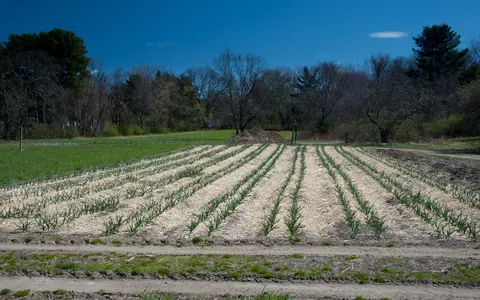
Push the bulbs into moist soil about 15 to 20 cm apart each way, with the cut top just at the surface.
Sowing day: Mulch with rice straw
Spread rice straw thinly over the field to keep in moisture and hold back weeds.
Care while it grows (Pag aalaga)
Day 2: Water
Let water into the field or the canals until the soil is wet, then drain. Repeat every week or so in the dry months.
Day 21: Weed
Hand pull the weeds.
Day 25: Side dress
Side dress urea (46 0 0) or ammonium sulfate (21 0 0) and water it in.
Day 30: Watch for armyworm and leaf diseases
Check the leaves for caterpillars, egg masses, thrips and purple blotch, and pick off egg masses by hand.
Day 45: Feed as the bulbs form
Give complete fertilizer (14 14 14), often with potash (0 0 60), as the clumps start to swell.
Day 70: Stop watering
Stop watering about two weeks before harvest.
Harvest (Anihan)
Day 85: Pull the clumps
Harvest when most leaves have yellowed and fallen over. Pull the clumps by hand.
Day 86: Dry, bundle and hang
Dry the clumps in the field for a few days, then tie them in bundles by the leaves and hang them in an airy shed. Keep the best bulbs for the next planting.
- Dry the clumps in the fielda few daysLay the pulled clumps on the dry field with the leaves of one row over the bulbs of the row before, so the sun does not scald them. Carry them under a roof if rain comes.
- Tie bundles by the leavesWhen the leaves are dry and limp, shake off the soil and tie the clumps in bundles by their leaves.
- Hang them in an airy shedHang the bundles on bamboo poles under the house or in a shed where air moves, out of the sun and rain. Some hang them above the kitchen stove, where the smoke helps dry them and keeps insects off.
- Keep the best for plantingSet aside bundles of firm, medium to big bulbs from the healthiest clumps. They stay hanging until the bulbs begin to show sprouts, the sign they are ready to plant again.
- Check the bundlesLook the bundles over every couple of weeks and pull out bulbs that are soft, moldy or rotting before they spread to the rest.
Watering sibuyas Tagalog, stage by stage
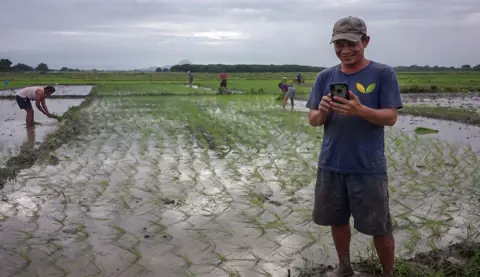
Lasona is planted on rice land after the harvest, under a thin rice straw mulch. Farmers let water from a canal or a pump into the field or the canals until the soil is wet and drain it, about every week in the dry months, and stop two weeks before harvest. Flooding and draining: water from a canal or a pump is let into the field or the canals between beds until the soil is wet, then drained off. Water in the morning or late afternoon.
Rooting, the first two weeks: the soil must stay moist under the straw. Clump swelling, about day 45 to 70: a dry spell gives small bulbs.
| Stage | When | How often | How much |
|---|---|---|---|
| Planting and rooting | Sowing day to day 14 | Plant into moist soil. Give the first watering about two days after planting, then again when the soil under the straw starts to dry | Let water in until the soil is wet, then drain it off |
| Leaf growth | Day 14 to 45 | About every week in the dry months, and right after the side dressing | Wet the field or fill the canals, then drain |
| Clump swelling | Day 45 to 70 | About every week, without letting the soil dry out | The same watering and draining |
| Ripening | Day 70 to 85 | Stop watering about two weeks before harvest | None |
Without irrigation. Shallot grows in the dry months, so it is not grown on rain alone. Without a canal, plant right after the rice harvest while the field is still wet, mulch with rice straw, and use a shallow well with a small pump.
In the dry season. Water about every week, more often on sandy soil. Lift the straw and water when the soil is dry a finger deep.
In the rainy season. Standing water and rain near harvest rot the bulbs and spread purple blotch. Drain each watering quickly and keep the field drains open.
- Too little water: Leaf tips dry and turn yellow, leaves stay short, and the clumps form few small bulbs.
- Too much water: Leaves yellow from the base, and bulbs turn soft and rot.
To water better for a higher yield: Keep the rice straw mulch over the field so the soil stays moist longer between waterings. Drain each watering quickly and stop on time for firm bulbs that store well.
Spacing, water and fertilizer for sibuyas Tagalog
Spacing
Bulbs about 15 to 20 cm apart each way, in the field after rice or on beds.
Water
Watered by letting water into the field or canals and draining it, about every week in the dry months, and stopped two weeks before harvest.
Fertilizer
Manure or compost at land preparation, complete fertilizer (14 14 14) at planting, urea (46 0 0) or ammonium sulfate (21 0 0) at about three to four weeks, and complete fertilizer with potash (0 0 60) as the bulbs form. To read what a bag really gives, see our guide to fertilizer for this crop.
Care and harvest
Care while it grows
Light rice straw mulch, hand weeding, and watching for armyworm, thrips and leaf blotch.
When and how to harvest
Ready at about 70 to 90 days, when most leaves yellow and fall over. Clumps are pulled, dried for a few days, bundled and hung to cure. The best bulbs are kept for the next planting.
Common mistakes when planting sibuyas Tagalog
- Planting bulbs from a diseased crop, which carries the disease into the new field.
- Planting freshly harvested bulbs that are not yet ready to sprout.
- Letting water stand in the field.
- Storing clumps that are not fully cured.
How to get a higher yield of sibuyas Tagalog
The traditional way gets a crop, but small changes add up. These are the first things to change, one season at a time.
- Use clean, firm planting bulbs, ideally from a disease free source.
- Plant on time after the rice harvest so the crop ripens before the summer rains.
- Feed by a soil test and keep the field well drained.
- Pick armyworm egg masses early and scout every week.
anee.io helps with each of these. The NPK Plus calculator checks that your fertilizer plan feeds the yield you want, the pest and disease finders tell you what is on the leaves before you spray, and Anee, the smart farm technician answers your questions in Tagalog or English.
Members open this guide in the How to Plant tool and send every step to the Protocol Builder in one tap, each on its own day. There you can change the seed, the spacing and the fertilizer, then turn it into a cropping calendar for your lots.
Start from the traditional way, make it better, and let anee.io date every task from your own planting day. Free to start.
Start freeQuestions about planting sibuyas Tagalog
Paano magtanim ng sibuyas tagalog?
When do farmers plant sibuyas Tagalog in the Philippines?
How far apart do you plant sibuyas Tagalog?
How long before sibuyas Tagalog can be harvested?
How often do you water sibuyas Tagalog?
What do you plant to grow sibuyas Tagalog?
See every step of planting it the traditional way
Register for free to read every step with its day, the spacing, water and fertilizer, the common mistakes and what to change for a higher yield. Then send it to your Protocol Builder in one tap.
Free to register. No credit card. Works on any phone.