Paano Magtanim ng Okra: How to Plant Okra the Traditional Way
Paano magtanim ng okra? Here is how traditional Filipino farmers usually plant okra, step by step from getting the field ready to the harvest, with the day of each step and what to change for a higher yield.
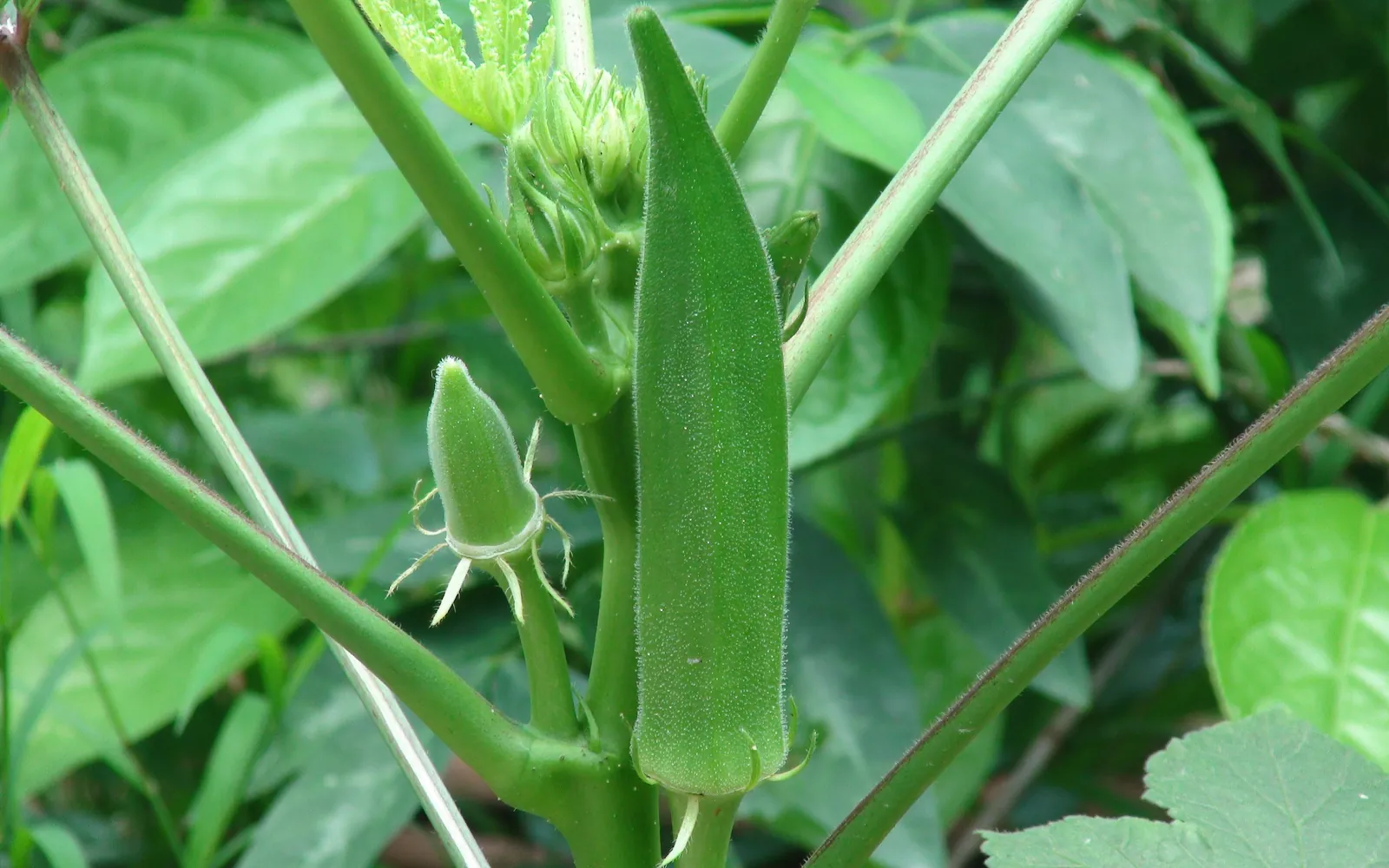
This guide shows how traditional farmers usually plant okra. Use it as a starting point. For a higher yield, update it: plant certified seed or clean planting material, test your soil, and follow the right spacing and fertilizer.
How Filipino farmers grow okra from seed sown straight in furrowed rows, with young pods picked every two or three days and the old plants often cut back for a second crop. It is for small farms and backyards growing okra for pinakbet and the market.
Before you plant, get the field ready with our land preparation guide for vegetables. Then choose your seed or planting material with the okra varieties sold here. If the leaves turn pale later on, the okra nutrient deficiency guide helps you find what is missing. For more on the crop, read pagtatanim ng gulay, vegetables in the Philippines.
When to plant okra
Okra likes a long, warm season and can be planted in any month in the lowlands. It needs irrigation in the dry months and well drained rows in the rainy months, and the seed will not sprout in cold soil.
What you plant
Seed, about 5 kg for a hectare, sown straight in the field. Farmers soak the hard seed in water overnight so it sprouts evenly, and many keep seed from their own best dry pods.
Paano magtanim ng okra, step by step
Okra flowers about 40 to 75 days after planting depending on the variety, and each pod is picked 4 to 6 days after its flower opens. Picking then goes on every two or three days. The crop is ready about 50 days after sowing.
Before planting (Bago magtanim)
21 days before sowing: Plow and harrow the field
Plow 15 to 20 cm deep two or three times, a week apart, harrowing after each pass to break the clods and kill sprouting weeds.
2 days before sowing: Open the furrows
After the last harrowing, open furrows about 1 meter apart.
1 day before sowing: Fertilize the furrows
Spread organic fertilizer or well rotted manure, about 20 bags for a hectare, and 2 to 3 bags of 14 14 14 along the furrows. Cover it with fine soil before sowing.
1 day before sowing: Soak the seed
Soak the seed in clean water overnight so it comes up evenly.
Planting day (Pagtatanim)
Sowing day: Sow in moist soil
Drop 2 to 3 seeds a hill, 30 cm apart along the furrow and 2 to 5 cm deep, into soil that is slightly moist. Cover with soil.
Care while it grows (Pag aalaga)
Day 7: Replant gaps and water
A few days after the seedlings come up, replant hills where nothing grew. Run water down the furrows once every one to two weeks, more often in hot weather or on sandy ground.
Day 15: Thin to two plants
About 15 days after planting, pull the stunted and sickly seedlings and leave two healthy ones a hill.
Day 19: Off bar
About two weeks after the seedlings come up, plow or hoe the soil away from the rows to kill weeds, staying about 10 cm from the stems so the roots are not torn.
Day 30: Side dress with urea
About 30 days after planting, put about a tablespoon, 10 grams, of urea at each hill.
Day 34: Hill up
About a month after the seedlings come up, push the soil back against the rows to cover the fertilizer and the base of the plants. Pull the weeds left between plants by hand.
Day 40: Watch for bugs and leaf spots
Okra has few pests, but check for cotton stainer and stink bugs on the pods and for spots or white powder on the leaves. Remove sick leaves and keep the field clean.
Day 100: Cut back for a second crop
When the old plants slow down, cut the stems about a foot above the ground. Loosen the soil between rows, give each hill about 10 grams of urea, hill up to cover it and irrigate so new shoots grow and bear again.
Harvest (Anihan)
Day 50: Pick young pods often
Pick tender pods about 3 to 4 inches long, 4 to 6 days after the flower opens, every two or three days. Pick in the morning or late afternoon so they stay fresh. Tip: A pod left a few days too long turns tough and woody and slows the plant.
Day 51: Sort and pack loosely
Throw out crooked and diseased pods. Pack the rest loosely in a woven basket, bag or crate lined with banana leaves or old newspaper, without overfilling.
Watering okra, stage by stage
Okra is sown into slightly moist soil and then watered through the furrows once every one to two weeks, more often on sandy ground and in the hot dry months. Small growers without a canal water by hand two or three times a week, and in the rainy months the rows only need to drain well. Furrow irrigation is the usual way. Small growers water each hill with a can or a hose. Water in the early morning or late afternoon.
Sowing to coming up: moist, not wet, soil for an even stand. Flowering and pod set, and the weeks of picking: dry soil gives fewer, tougher pods.
| Stage | When | How often | How much |
|---|---|---|---|
| Sowing to coming up | 1 day before sowing to day 7 | Soak the seed overnight and sow into slightly moist soil. If the soil is dry, water the furrow before sowing rather than after | Moist soil, not mud |
| Young plants | Day 7 to 35 | Furrow water about every 7 to 14 days, closer on sandy soil and in hot weather. By hand two or three times a week in a small garden | Soak the rows, then drain |
| Flowering and first pods | Day 35 to 50 | Keep the soil steadily moist. Water after the urea side dressing | A full furrow soaking each time |
| Picking | Day 50 to 100 | Go on watering every 7 to 14 days while picking every two or three days | A full furrow soaking each time, drained off |
| Cut back for a second crop | Day 100 to 110 | Irrigate right after cutting the stems back, feeding and hilling up, then return to the usual schedule | A full furrow soaking |
Without irrigation. Okra stands dry spells better than most vegetables, so many farmers grow it on the rains with well drained rows. Sow at the start of the rains, mulch the rows with rice straw, and water by hand two or three times a week if a dry spell hits during picking.
In the dry season. Furrow irrigate every 7 to 14 days, closer on sandy ground and in the hottest months. Water when the leaves droop by mid morning or the soil a few cm down feels dry.
In the rainy season. Make sure the rows drain well and the furrows lead to a canal. Okra does not stand waterlogging: the roots rot, the lower leaves yellow and the plants stop bearing.
- Too little water: Leaves droop and roll in the heat, flowers drop, and the pods come out short, crooked and tough before they reach size.
- Too much water: Lower leaves yellow and fall, the plants stop growing and the stem base rots.
To water better for a higher yield: Keep the water regular through picking so pods stay tender and the plants keep bearing. Straw mulch along the rows keeps the soil moist and lets you stretch the time between waterings.
Spacing, water and fertilizer for okra
Spacing
Furrows about 1 meter apart and hills 30 cm apart along the row, two plants a hill after thinning.
Water
Water runs down the furrows once every one to two weeks, more often on sandy ground and in the dry months. The rows must drain well in the rainy season.
Fertilizer
About 20 bags of organic fertilizer or well rotted manure and 2 to 3 bags of 14 14 14 for a hectare, spread in the furrows and covered before sowing. About 10 grams of urea a hill 30 days after planting, and again when the plants are cut back. To read what a bag really gives, see our guide to fertilizer for this crop.
Care and harvest
Care while it grows
Thinning to two plants a hill at about 15 days, off barring at about two weeks after the seedlings come up and hilling up about two weeks later, with hand weeding between plants. Farmers keep the plough about 10 cm from the stems. Old plants are often cut back a foot above the ground and fed again for a second crop.
When and how to harvest
Pods are picked young and tender, about 3 to 4 inches long, 4 to 6 days after flowering, every two or three days in the morning or late afternoon. They are sorted and packed loosely in lined baskets, bags or crates so they do not bruise.
Common mistakes when planting okra
- Letting pods grow too long, so they turn woody, do not sell, and the plant bears less.
- Sowing into dry soil without soaking the seed, which gives patchy stands.
- Leaving too many plants a hill, which gives thin plants and few pods.
- Plowing too close to the stems when off barring, which tears the roots.
- Packing pods tightly in a full sack, so they bruise and blacken.
How to get a higher yield of okra
The traditional way gets a crop, but small changes add up. These are the first things to change, one season at a time.
- Have the soil tested and feed by the result, with a little potash while the plants bear.
- Use good seed of a variety your buyers like, and save seed only from your best, healthiest plants.
- Rotate okra away from fields with root knot nematode, and away from cotton and other mallows.
- Scout weekly for stainers, stink bugs and leaf spots, and act early with integrated pest management.
- Mulch the rows with rice straw to keep the soil moist and cut weeding.
- Plan staggered sowings so you have pods to sell every week.
anee.io helps with each of these. The NPK Plus calculator checks that your fertilizer plan feeds the yield you want, the pest and disease finders tell you what is on the leaves before you spray, and Anee, the smart farm technician answers your questions in Tagalog or English.
Members open this guide in the How to Plant tool and send every step to the Protocol Builder in one tap, each on its own day. There you can change the seed, the spacing and the fertilizer, then turn it into a cropping calendar for your lots.
Start from the traditional way, make it better, and let anee.io date every task from your own planting day. Free to start.
Start freeQuestions about planting okra
Paano magtanim ng okra?
When do farmers plant okra in the Philippines?
How far apart do you plant okra?
How long before okra can be harvested?
How often do you water okra?
What do you plant to grow okra?
See every step of planting it the traditional way
Register for free to read every step with its day, the spacing, water and fertilizer, the common mistakes and what to change for a higher yield. Then send it to your Protocol Builder in one tap.
Free to register. No credit card. Works on any phone.