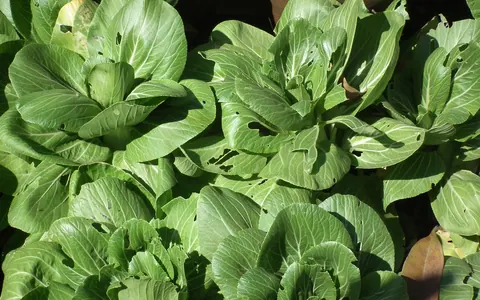
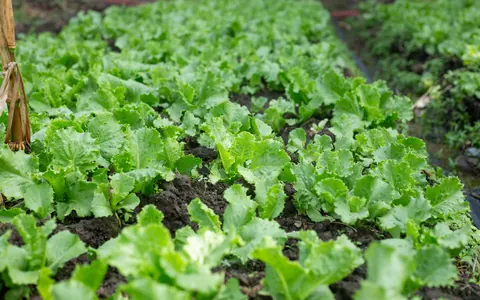
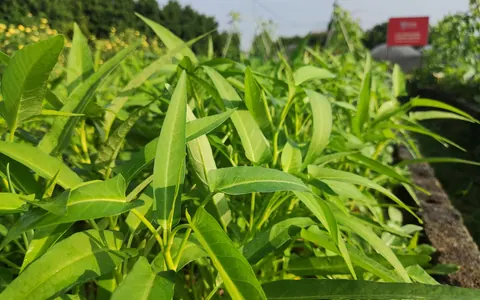
Paano Magtanim ng Saluyot: How to Plant Jute Mallow the Traditional Way
Paano magtanim ng saluyot? Here is how traditional Filipino farmers usually plant saluyot (jute mallow), step by step from getting the field ready to the harvest, with the day of each step and what to change for a higher yield.
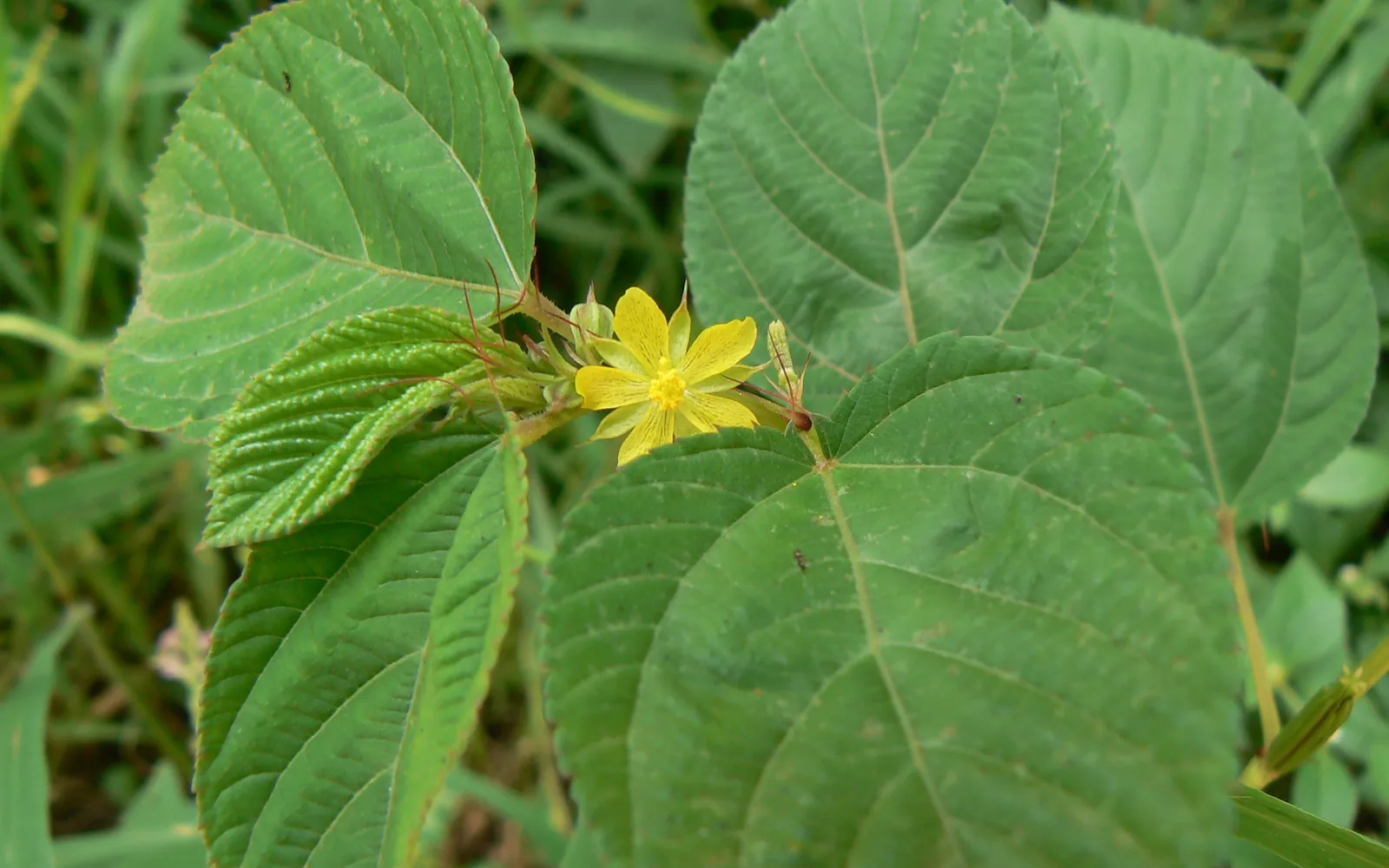
This guide shows how traditional farmers usually plant saluyot. Use it as a starting point. For a higher yield, update it: plant certified seed or clean planting material, test your soil, and follow the right spacing and fertilizer.
How Filipino growers, Ilocanos above all, usually raise saluyot from seed scattered at the start of the rains and pick the young tops again and again for weeks. For backyard and small market growers who want the usual way and simple steps for more tender leaves.
Before you plant, get the field ready with our land preparation guide for vegetables. Then choose your seed or planting material with the saluyot nutrient deficiency guide. For more on the crop, read pagtatanim ng gulay, vegetables in the Philippines.
When to plant saluyot
Saluyot loves warm, humid weather and is usually sown when the rains come, around May to June, often near rivers and creeks. With water it can be grown in other months. Cold spells and long droughts stunt or kill it. The biggest growing areas are in Ilocos and Western Visayas.
What you plant
Seed, from a plant left to ripen its pods. The seed is tiny and has a hard coat, so many growers pour hot water over it briefly, then cool it, before sowing so it sprouts evenly. There is a purplish type (pula) and a light green type (puti). The green one is preferred by many city buyers.
Paano magtanim ng saluyot, step by step
The crop is ready about 40 days after sowing.
Before planting (Bago magtanim)
7 days before sowing: Loosen the soil and add manure
Dig or plow the plot and mix in compost or rotted manure. Loam or silty loam near water is best, but saluyot grows in most soils.
The nursery (Punlaan)
1 day before sowing: Treat the seed
Put the seed in a cloth, dip it briefly in hot water, then in cool water, and let it dry a little so it is easy to scatter. Tip: Mix the tiny seed with fine sand so it spreads thinly.
Planting day (Pagtatanim)
Sowing day: Scatter or drill the seed
Scatter the seed thinly over the plot or drop it in shallow rows, rake lightly and water, or sow right after a good rain.
Care while it grows (Pag aalaga)
Day 1: Keep the plot moist
Water every day or two until the seedlings are up and growing well. Do not let the young plants dry out.
Day 14: Thin and weed
Pull out crowded seedlings, which can be cooked, and the weeds, so the rest have room to branch.
Day 20: Check the leaves
Look for leaf eating caterpillars, beetles and mites under the leaves and pick off badly damaged shoots.
Day 41: Feed and keep picking
After each picking, side dress with compost, manure tea or a little urea, water, and come back for the new tops every week or two.
Day 41: Bundle and keep cool
Tie the tops in bundles and keep them shaded and sprinkled with water, because the leaves wilt fast.
Harvest (Anihan)
Day 40: Pick the young tops
When the plants are knee high, about five to six weeks after sowing, pinch or cut the tender tops and young leaves. This makes the plant branch out.
Watering saluyot, stage by stage
Saluyot is mostly a rain crop, sown when the rains come around May to June, often on moist ground near rivers and creeks. In dry spells growers water every day or two by can or hose, and with water it grows well even in the summer months. Mostly rain. Watering cans and hoses on small plots, furrows on bigger ones. Water in the morning or late afternoon.
Sowing to the young plants: the plot must not dry out. Long dry spells at any stage, which stunt or kill saluyot.
| Stage | When | How often | How much |
|---|---|---|---|
| Sowing to coming up | Sowing day to day 7 | Sow right after a good rain or water the plot after sowing, then every day or two until the seedlings are up | A gentle watering that keeps the top soil damp without washing the seed |
| Young plants | Day 7 to 30 | Water every day or two in dry spells. Water before thinning so the extra plants pull out easily | Enough to keep the soil moist to the roots |
| First tops | Day 30 to 40 | Keep the soil moist, every day or two in dry weather | Even waterings |
| Picking every week or two | Day 40 to 100 | Water after each picking and feeding, and every day or two in dry spells | Even waterings, no standing water |
Without irrigation. Sow when the rains come, around May to June, on loam or silty ground near a river or creek that stays moist. Thin the stand so the plants do not compete for water, and mulch with straw or cut grass if the rains break.
In the dry season. In the summer months saluyot grows well only when watered every day or two. Water when the leaves droop by mid morning or the top soil is dry.
In the rainy season. Saluyot likes wet weather but not standing water. Sow on ground that drains and open small canals in low spots so the young plants do not rot.
- Too little water: Leaves droop and yellow, the plants stay short and flower early, and the tops turn tough.
- Too much water: Seedlings rot at the base in waterlogged spots and the lower leaves yellow.
To water better for a higher yield: Water and feed right after each picking so the plants branch and give more tops. Mulch the plot to hold moisture through dry spells.
Spacing, water and fertilizer for saluyot
Spacing
Seed is scattered thinly or drilled in shallow rows, and crowded seedlings are thinned by hand so each plant has room to branch. Many backyard plots also come up on their own from seed dropped by last year's plants.
Water
Rainfed in the wet season. Watered every day or two in dry spells. Saluyot takes heat but not long droughts, and it grows best on moist ground near water.
Fertilizer
Mostly compost or rotted manure in the soil, with manure tea or a little urea after the picking rounds to keep new tops coming. To read what a bag really gives, see our guide to fertilizer for this crop.
Care and harvest
Care while it grows
Thinning, a weeding or two while the plants are small, steady moisture, and frequent picking of the tops, which keeps the plants bushy and tender. Some plants are left to flower and pod for next season's seed.
When and how to harvest
The first tops are picked about five to six weeks after sowing, then every week or two for as long as the plants stay leafy. Growers pick in the cool hours, tie the tops in bundles and keep them shaded and moist.
Common mistakes when planting saluyot
- Sowing the hard seed untreated, so it comes up thin and uneven.
- Sowing too thick and never thinning, so the plants grow tall and spindly with few tops.
- Letting the plants dry out, which makes them flower early and the leaves tough.
- Letting the plants run tall without picking, so leaves get fewer and harder.
- Picking in the noon heat and leaving the bundles in the sun.
How to get a higher yield of saluyot
The traditional way gets a crop, but small changes add up. These are the first things to change, one season at a time.
- Use seed from your best, leafiest plants or a good variety, and treat it before sowing.
- Add compost and a balanced fertilizer by soil test instead of urea alone.
- Sow in steps every few weeks so there are tops to sell all season.
- Keep moisture steady with mulch and water in dry spells.
- Pick tops on a regular schedule and keep the bundles cool to market.
anee.io helps with each of these. The NPK Plus calculator checks that your fertilizer plan feeds the yield you want, the pest and disease finders tell you what is on the leaves before you spray, and Anee, the smart farm technician answers your questions in Tagalog or English.
Members open this guide in the How to Plant tool and send every step to the Protocol Builder in one tap, each on its own day. There you can change the seed, the spacing and the fertilizer, then turn it into a cropping calendar for your lots.
Start from the traditional way, make it better, and let anee.io date every task from your own planting day. Free to start.
Start freeQuestions about planting saluyot
Paano magtanim ng saluyot?
When do farmers plant saluyot in the Philippines?
How far apart do you plant saluyot?
How long before saluyot can be harvested?
How often do you water saluyot?
What do you plant to grow saluyot?
See every step of planting it the traditional way
Register for free to read every step with its day, the spacing, water and fertilizer, the common mistakes and what to change for a higher yield. Then send it to your Protocol Builder in one tap.
Free to register. No credit card. Works on any phone.