Paano Magtanim ng Pipino: How to Plant Cucumber the Traditional Way
Paano magtanim ng pipino? Here is how traditional Filipino farmers usually plant pipino (cucumber), step by step from getting the field ready to the harvest, with the day of each step and what to change for a higher yield.
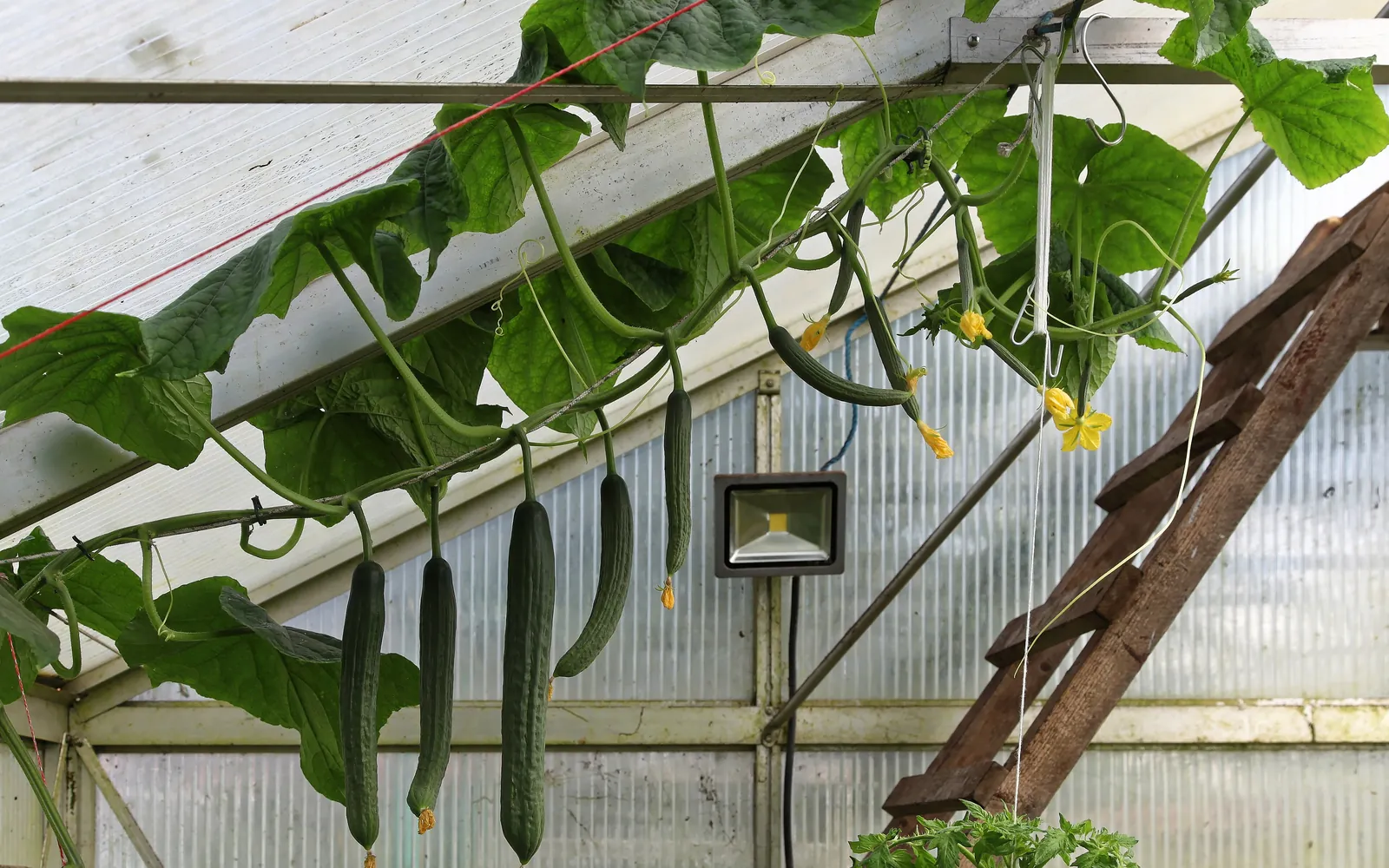
This guide shows how traditional farmers usually plant pipino. Use it as a starting point. For a higher yield, update it: plant certified seed or clean planting material, test your soil, and follow the right spacing and fertilizer.
How Filipino farmers grow pipino from seed sown in close hills, climbing an A frame trellis of poles, wire and twine, with the first fruits cut in about six weeks. It is for small farms growing slicing or pickling cucumber for the market.
Before you plant, get the field ready with our land preparation guide for cucurbits. Then choose your seed or planting material with the pipino varieties sold here. If the leaves turn pale later on, the pipino nutrient deficiency guide helps you find what is missing. For more on the crop, read pagtatanim ng gulay, vegetables in the Philippines.
When to plant pipino
Pipino can be planted all year in the lowlands. It likes warm days and cool nights, so many farmers favor the cooler dry months, and a wet season crop goes on raised beds with drainage canals at the ends of the rows.
What you plant
Seed, about 2 kg for a hectare, sown straight in the field two or three seeds a hill. Some raise seedlings in trays or a seedbed of compost, soil and burnt rice hull and set them out about 15 days after they come up.
Paano magtanim ng pipino, step by step
Slicing kinds are ready about 38 to 45 days after planting and pickling kinds a few days earlier. Picking then goes on every other day for some weeks. The crop is ready about 40 days after sowing.
Before planting (Bago magtanim)
30 days before sowing: Plow and harrow early
Start about a month before planting. Plow and harrow two or three times, letting weed seeds sprout between passes so the next plowing kills them.
7 days before sowing: Make furrows and manure the hills
Open furrows 75 cm to 1 meter apart, or raised beds about that wide in the wet season. Dig holes 30 cm apart along the rows and mix about 200 grams of well rotted manure into each. Tip: Many farmers plant two rows and leave the third empty as a path, which makes trellising and picking easier.
Planting day (Pagtatanim)
Sowing day: Fertilize and sow
Put about 15 grams, a heaping tablespoon, of 14 14 14 in each hole with a handful of manure and cover it with soil. Sow two or three seeds a hill, cover lightly with soil, and irrigate right after so the seeds come up evenly.
Care while it grows (Pag aalaga)
Day 5: Guard the seedlings from beetles
Yellow squash beetles eat the new seedlings and tender leaves in the first month. Check the rows every day or two and pick them off by hand.
Day 10: Water every 7 to 10 days
In the dry months run water down the furrows about every 7 to 10 days, and in the rainy months only when the soil dries. Pipino needs plenty of water but rots in standing water.
Day 12: Put up the A frame trellis
Set poles about 2.5 meters long every 4 to 5 meters along two neighboring rows and lean them together at the top like a tent. Run wire along the top, middle and bottom, then tie a twine from top to bottom at every hill.
- Lay out the polesLay poles about 2.5 meters long along the planted rows, one every 4 to 5 meters.
- Lean them into a tentPush the poles of two neighboring rows into the ground and draw their tops together so each pair forms an A, like a tent over the space between the rows.
- Run the wires and anchor themTie a wire along the tops where the poles cross, and fasten its ends to a strong stake driven in at each end of the row so the whole line stands firm in the wind. Run more wire along the middle and the bottom of the poles.
- Tie a twine at every hillCut abaca twine or twisted plastic twine and tie one piece upright from the top wire down to the bottom wire at every hill. The vines climb these strings.
Day 17: Thin to one plant
Two to three weeks after planting, pull the weak seedlings and leave one healthy plant a hill.
Day 18: Weed the rows
Hand weed the planted rows well and slash or plow the wide spaces between them. Keep hoeing well away from the stems.
Day 20: Train the vines up the twine
Wind each vine around its twine, always in the same direction, every two days or so until it holds on by itself.
Day 30: Side dressing
About a month after sowing, give each hill about 20 grams of a mix of two parts urea and one part muriate of potash. Place it a hand span from the stem and cover it.
Day 30: Help pollination
Flowers open in the morning. If few bees visit, rub a male flower onto the female flowers, the ones with a small fruit behind them, early each morning.
Day 32: Scout for thrips and mildew
Look under the leaves for thrips, which turn leaves bronze, and for yellow spots or white powder on top. Remove sick leaves, pull plants with mottled, stunted tops, and keep fallen vines and fruits out of the field.
Harvest (Anihan)
Day 40: Pick every other day
Pick slicing fruits while they are firm, green and still slim, and pickling kinds a little smaller. Cut with a knife or scissors leaving a short stalk, and remove crooked or damaged fruits so the vine sets new ones.
Day 41: Keep them cool and unbruised
Put the fruits in a woven basket in the shade and handle them gently. Sort out the damaged ones before packing for market.
Watering pipino, stage by stage
Pipino is watered right after sowing so the seeds come up evenly, then by furrow about once a week to every 10 days in the dry months, and only when the soil dries in the rainy months. Drainage canals at the ends of the rows keep water from standing, because the roots rot in it. Furrow irrigation along the trellised rows is the usual way. Small growers water each hill with a can or a hose. Water in the morning so the leaves dry before night.
Right after sowing, for an even stand. Flowering, fruit set and picking: dry soil gives crooked, bitter fruits and cuts the harvest.
| Stage | When | How often | How much |
|---|---|---|---|
| Sowing to coming up | Sowing day to day 5 | Irrigate right after sowing. If the hills dry before the seedlings are up, sprinkle them by can | Wet the hills evenly, no puddles |
| Young vines | Day 5 to 25 | Run water down the furrows about every 7 to 10 days in the dry months | Soak the rows, then drain |
| Flowering and fruit set | Day 25 to 40 | Keep the furrow watering every 7 days or so. Water after the side dressing | A full soaking each time, never left standing |
| Picking | Day 40 to 65 | Go on watering about once a week while picking every other day | A full soaking each time, drained off |
Without irrigation. A rainy season crop needs little watering but must sit on raised beds with drainage canals. In the dry months pipino is grown only where water is near. Mulch the rows with rice straw and carry water to each hill about once a week if there is no canal.
In the dry season. Furrow irrigate about every 7 to 10 days, more often on sandy soil, and keep it up through the picking. Water when the leaves droop by mid morning or the soil a few cm down is dry.
In the rainy season. Plant on raised beds with drainage canals at the ends of the rows and water only when the soil dries. Standing water rots the roots, and wet leaves under a crowded trellis spread downy mildew, so keep the vines trained up and the rows open.
- Too little water: Leaves droop and dull in the heat, flowers drop, and fruits come out short, crooked, pale at the tip or bitter.
- Too much water: Leaves yellow from the bottom up, the vines wilt and the roots rot, and yellow patches of mildew spread on the leaves.
To water better for a higher yield: A drip line along the row with straw or plastic mulch gives the steady water pipino needs for straight, sweet fruits. Water at the base, never over the leaves late in the day, to keep mildew down.
Spacing, water and fertilizer for pipino
Spacing
Furrows 75 cm to 1 meter apart with hills about 30 cm apart along the row, one plant a hill after thinning. Many farmers plant two rows and leave the third empty as a path under the trellis. Some use wider gaps, about half a meter between hills.
Water
Irrigate right after sowing, then by furrow about every 7 to 10 days in the dry months, and only when needed in the rainy months. Drainage canals at the ends of the rows keep water from standing.
Fertilizer
About 200 grams of well rotted manure mixed into each hill a week before planting, then about 15 grams of 14 14 14 a hill at sowing with a handful of manure. About a month after sowing, roughly 20 grams a hill of two parts urea to one part muriate of potash. Some farmers add small doses of urea or potash every two weeks while picking. To read what a bag really gives, see our guide to fertilizer for this crop.
Care and harvest
Care while it grows
An A frame trellis of poles about 2.5 meters long, joined at the top and tied with wire at the top, middle and bottom, with a twine for each hill. Vines are wound onto the twine every few days. Thinning to one plant at two to three weeks, hand weeding in the rows, hand picking of yellow beetles, and removal of sick leaves and virus plants.
When and how to harvest
Slicing fruits are ready about 38 to 45 days after planting and pickling kinds a few days earlier. They are cut every other day with a knife or scissors, leaving a short stalk, while still firm and green. Crooked and damaged fruits are removed so the vine keeps bearing, and the harvest is kept in the shade in woven baskets.
Common mistakes when planting pipino
- Letting fruits grow big and yellow on the vine, which slows new fruits and lowers the price.
- Planting on flat ground in the rainy months without beds or canals, so the roots rot.
- Ignoring yellow beetles in the first month, when they can wipe out the seedlings.
- Leaving vines on the ground, so fruits curl, get dirty and rot.
- Planting cucumber again where gourds or melons just grew, so diseases carry over.
How to get a higher yield of pipino
The traditional way gets a crop, but small changes add up. These are the first things to change, one season at a time.
- Have the soil tested. Pipino likes soil near pH 6.5 to 7.5, so lime acid soil.
- Use good hybrid or open pollinated seed tolerant to downy mildew and mosaic virus.
- Lay plastic mulch on raised beds to save water and weeding and keep fruits clean.
- Scout twice a week and use integrated pest management for beetles, thrips and aphids. Pull virus plants early.
- Rotate away from all gourds and melons for at least a season, longer where anthracnose struck.
- Keep bees around by not spraying while the flowers are open in the morning.
anee.io helps with each of these. The NPK Plus calculator checks that your fertilizer plan feeds the yield you want, the pest and disease finders tell you what is on the leaves before you spray, and Anee, the smart farm technician answers your questions in Tagalog or English.
Members open this guide in the How to Plant tool and send every step to the Protocol Builder in one tap, each on its own day. There you can change the seed, the spacing and the fertilizer, then turn it into a cropping calendar for your lots.
Start from the traditional way, make it better, and let anee.io date every task from your own planting day. Free to start.
Start freeQuestions about planting pipino
Paano magtanim ng pipino?
When do farmers plant pipino in the Philippines?
How far apart do you plant pipino?
How long before pipino can be harvested?
How often do you water pipino?
What do you plant to grow pipino?
See every step of planting it the traditional way
Register for free to read every step with its day, the spacing, water and fertilizer, the common mistakes and what to change for a higher yield. Then send it to your Protocol Builder in one tap.
Free to register. No credit card. Works on any phone.