Paano Magtanim ng Celery: How to Plant Celery the Traditional Way
Paano magtanim ng celery? Here is how traditional Filipino farmers usually plant kintsay (celery), step by step from getting the field ready to the harvest, with the day of each step and what to change for a higher yield.
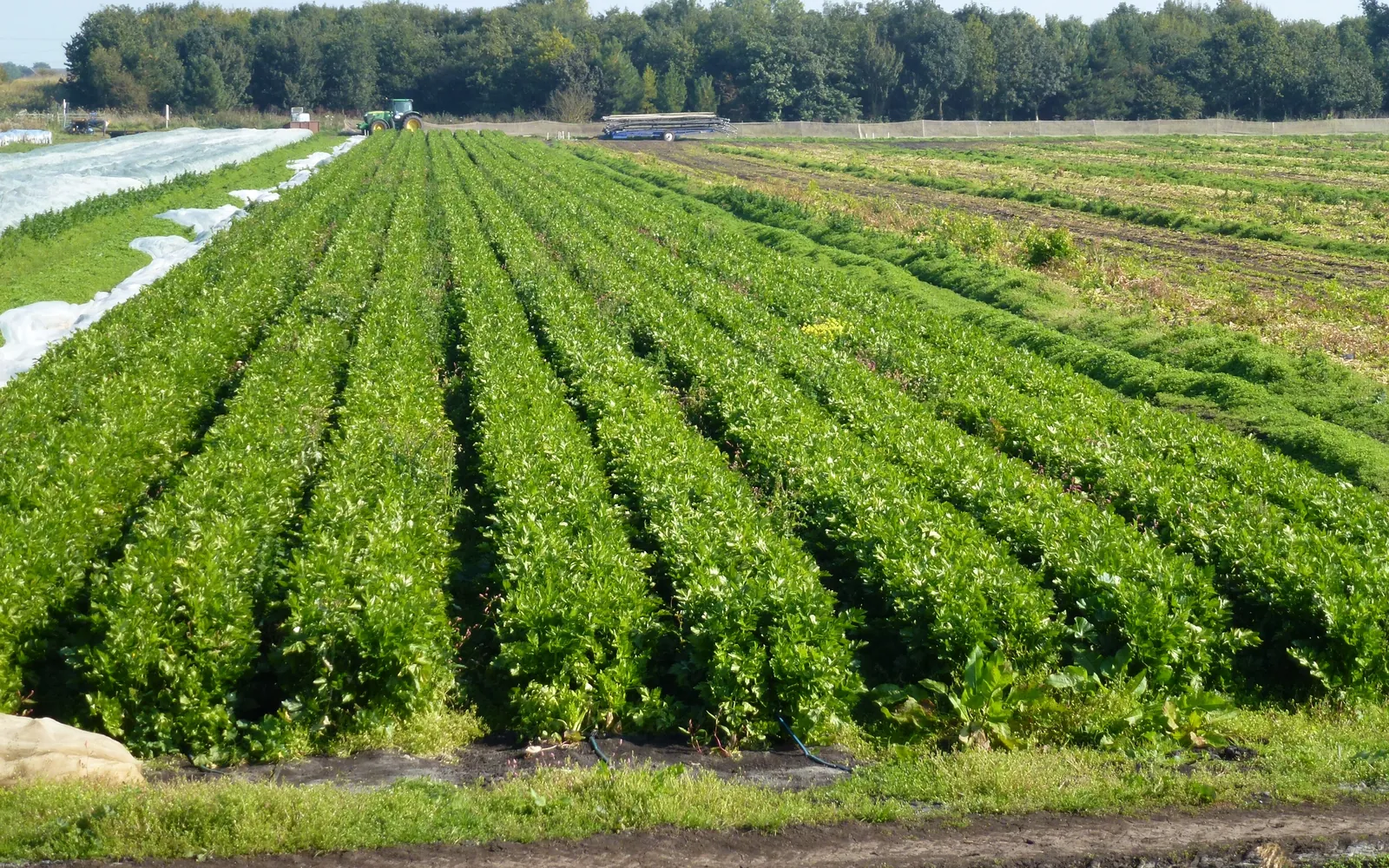
This guide shows how traditional farmers usually plant kintsay. Use it as a starting point. For a higher yield, update it: plant certified seed or clean planting material, test your soil, and follow the right spacing and fertilizer.
How Filipino farmers usually grow celery from slow growing seedlings set out on raised beds, the La Trinidad and Baguio way, up to pulling the plants with their roots about two months after transplanting. For highland growers of stalk celery and lowland growers of the thin soup type, kintsay, with the changes that give heavier, cleaner plants.
Before you plant, get the field ready with our land preparation guide for vegetables. Then choose your seed or planting material with the kintsay varieties sold here. If the leaves turn pale later on, the kintsay nutrient deficiency guide helps you find what is missing. For more on the crop, read pagtatanim ng gulay, vegetables in the Philippines.
When to plant kintsay
Stalk celery is a cool season crop grown mainly in Baguio, La Trinidad and other Benguet towns, with some in Davao and Nueva Vizcaya highlands. It can be planted year round there, but the best quality comes from plantings made from January through April. The thin soup celery, kintsay, also grows close to sea level and is sown in the cooler, drier months.
What you plant
Seed, very small and slow to sprout. Farmers soak it in water overnight and sow it the next morning, thinly and shallow, on a seedbed kept moist under damp sacks. Seedlings are pricked once and are ready to transplant at about six weeks from emergence, or longer in cold weather, when about 15 cm tall.
Paano magtanim ng celery, step by step
The crop is ready about 60 days after transplanting.
Before planting (Bago magtanim)
10 days before transplanting: Make raised beds with manure
Clear the weeds and make beds about 90 cm to 1 m wide, about 15 cm high in the dry season and up to 30 cm in the rains. Mix in rotted chicken manure or compost and complete fertilizer.
The nursery (Punlaan)
45 days before transplanting: Soak and sow the seed
Soak the seed overnight and sow it thinly and very shallow on a fine seedbed the next morning. Dust a little fine soil over it and spread damp sacks on the bed so watering does not wash the seed away. Tip: Lift the sacks as soon as the seedlings show.
- Clean doubtful seed in hot water30 minutesCelery blight can ride on the seed. Where it was a problem, growers soak new seed in hot water of about 48 degrees for 30 minutes, then dry it, or use seed two to three years old, in which the fungus has died.
- Soak it overnightovernightCelery seed is tiny and slow to wake. Soak it in plain water overnight and sow it early the next morning.
- Sow thin and shallowScatter the seed thinly over a fine, level seedbed and cover it with only a thin sprinkle of fine soil. Seed buried deep does not come up.
- Lay damp sacks over the bedSpread pieces of wet sack or burlap over the sown bed. Water through them so the seed is not washed out and the top soil does not dry. Lift the sacks off once the first seedlings show.
- Water every two days and weedKeep the bed close to fully moist, sprinkling every day or two with a can. The seedlings grow slowly, so pull the weeds early before they smother them.
40 days before transplanting: Keep the seedbed wet and weeded
Water every day or two with a sprinkling can so the bed never dries, and pull weeds early because the seedlings grow very slowly.
24 days before transplanting: Prick out the seedlings
About three weeks after they come up, move the seedlings to another bed with more space. This gives a bigger root system, and celery is sold with its roots.
- Prick about three weeks after they come upabout 3 weeks after emergenceWhen the seedlings are about three weeks old from emergence, lift them with a little soil on the roots and move them to another bed with more room.
- Why it paysMoving the seedlings once makes them grow a bigger, bushier root ball. Celery here is sold with the roots on, so more roots means more weight and a better price.
- Grow them on to transplant sizeKeep the pricked seedlings watered and weeded until they are about 15 cm tall, around six weeks from emergence, or longer in cold weather.
Planting day (Pagtatanim)
Transplanting day: Transplant the sturdy seedlings
Pick only good sized seedlings, about 15 cm tall, and throw away the small ones. Set two rows on each bed, about 40 cm apart with plants about 20 cm apart, or closer rows across the bed for small plants, and water right away.
Care while it grows (Pag aalaga)
Day 1: Water often
Water every two days for the first two weeks, then about twice a week, enough to reach the roots. Celery that runs dry gets stringy and light.
Day 7: Mulch between rows
Lay dry grass or rice straw between the rows to hold moisture and smother weeds.
Day 14: Feed in answer
Benguet growers water a weak fertilizer answer along the rows, often ammonium sulfate, about every 10 to 15 days.
Day 21: Scratch the soil and hill up
About three weeks after transplanting, loosen only the top of the soil, since the roots are shallow, put fertilizer between the rows and hill up lightly.
Day 25: Watch for leaf miners and blight
Look for winding trails in the leaves, curled leaves from aphids, cutworms at night, and brown leaf spots of blight. Remove badly hit leaves.
Day 60: Trim, wash and bundle
Remove small side shoots and damaged or sick stalks, wash the roots and bundle the plants for market, keeping them cool and moist.
Harvest (Anihan)
Day 60: Pull or cut the plants
About eight weeks after transplanting, or up to three months for big stalk types, pull the plants with their roots or cut them just below the soil with a large knife.
Watering kintsay, stage by stage
Celery is watered often: right after transplanting, every two days for the first two weeks, then about twice a week, by sprinkler, hose or furrow, with the water reaching the roots. Benguet growers mulch between the rows with dry grass or rice straw because the roots are shallow. Sprinklers or hoses fed from springs in the highlands, and watering cans or furrows on small lowland plots. Water in the morning.
The seedbed, which must stay moist for the slow seed. The first two weeks after transplanting. Stalk growth: a dry spell makes stringy, light stalks.
| Stage | When | How often | How much |
|---|---|---|---|
| Seedbed | 45 to 24 days before transplanting | Water every day or two with a sprinkling can over the damp sacks so the bed never dries | Keep the bed close to fully moist without washing the seed |
| Pricked seedlings | 24 days before transplanting to transplanting day | Water the moved seedlings and keep them in a cool, shaded spot, then water every day or two | Light waterings, never soggy |
| Transplanting and settling | Transplanting day to day 14 | Water right after transplanting, then every two days for the first two weeks | Enough to reach the root zone each time |
| Stalks growing | Day 14 to 55 | About twice a week. Water in the weak fertilizer every 10 to 15 days | Water that reaches the roots, with mulch between the rows |
| Before harvest | Day 55 to 60 | Keep watering twice a week up to the harvest | The usual watering |
Without irrigation. Highland growers plant from January through April for the best stalks, with sprinklers or hoses fed from springs. Celery is not grown on rain alone in the dry months. Mulch the beds and keep them near water.
In the dry season. Water every two days for the first two weeks after transplanting, then about twice a week, more often on light soil or in wind. Water when the soil under the mulch is dry a finger deep or the leaves droop by mid morning.
In the rainy season. Use beds up to about 30 cm high in the rains so water drains, and skip watering in rainy weeks. Soaked beds rot the roots and spread leaf blight.
- Too little water: Leaves wilt, the stalks turn stringy, hollow or bitter, and the plants stay light.
- Too much water: Lower stalks yellow and rot at the base, and leaf spots and blight spread.
To water better for a higher yield: Keep a mulch of dry grass or rice straw between the rows to hold moisture near the shallow roots. Never let the beds go dry while the stalks grow. Even watering gives heavier, crisper celery.
Spacing, water and fertilizer for kintsay
Spacing
Beds about 90 cm to 1 m wide with two rows about 40 cm apart and plants about 20 cm apart. Some growers plant three seedlings across the bed in rows about 20 cm apart with plants 15 cm apart.
Water
Frequent watering is the rule: every two days for the first two weeks after transplanting, then about twice a week, by sprinkler, hose or furrow. Mulch keeps the shallow roots moist.
Fertilizer
Growers in Baguio and La Trinidad work roughly 100 sacks of chicken dung or compost and about 5 bags of complete fertilizer into each hectare of beds before transplanting, then side dress with a weak ammonium sulfate answer along the rows every 10 to 15 days. Celery takes up a lot of potash. To read what a bag really gives, see our guide to fertilizer for this crop.
Care and harvest
Care while it grows
A long, carefully watered and weeded seedbed stage, pricking, mulched raised beds, shallow cultivation only, frequent watering and regular side dressing.
When and how to harvest
Usually pulled or cut about eight weeks after transplanting, longer for big stalk varieties. Plants are trimmed of side shoots and bad stalks, the roots washed, and bundles sold with roots on, kept cool and moist.
Common mistakes when planting kintsay
- Letting the seedbed dry out, so the slow seed never comes up evenly.
- Transplanting small, weak seedlings.
- Deep hoeing that cuts the shallow roots.
- Watering too little, which makes the stalks stringy and light.
- Planting celery on the same beds again and again, which builds up blight and nematodes.
How to get a higher yield of kintsay
The traditional way gets a crop, but small changes add up. These are the first things to change, one season at a time.
- Use fresh seed of a variety suited to your elevation and season.
- Test the soil and give enough potash and calcium along with nitrogen, by the result.
- Prick the seedlings for a strong root ball and transplant only sturdy ones.
- Mulch and water on a steady schedule.
- Rotate with crops outside the carrot and celery family and scout weekly for leaf miner and blight.
- Harvest in the cool morning and keep the bundles moist and shaded.
anee.io helps with each of these. The NPK Plus calculator checks that your fertilizer plan feeds the yield you want, the pest and disease finders tell you what is on the leaves before you spray, and Anee, the smart farm technician answers your questions in Tagalog or English.
Members open this guide in the How to Plant tool and send every step to the Protocol Builder in one tap, each on its own day. There you can change the seed, the spacing and the fertilizer, then turn it into a cropping calendar for your lots.
Start from the traditional way, make it better, and let anee.io date every task from your own planting day. Free to start.
Start freeQuestions about planting kintsay
Paano magtanim ng celery?
When do farmers plant kintsay in the Philippines?
How far apart do you plant kintsay?
How long before kintsay can be harvested?
How often do you water kintsay?
What do you plant to grow kintsay?
See every step of planting it the traditional way
Register for free to read every step with its day, the spacing, water and fertilizer, the common mistakes and what to change for a higher yield. Then send it to your Protocol Builder in one tap.
Free to register. No credit card. Works on any phone.